Unmasking Censored Histories: Illuminating Hidden Truths and Cover-Ups
History, as commonly presented, often feels like a settled narrative—a collection of facts and figures neatly packaged for public consumption. Yet beneath the surface of official accounts lies a vast, often turbulent ocean of suppressed history, where inconvenient events, uncomfortable realities, and untold stories have been deliberately hidden, distorted, or simply forgotten. Unmasking these hidden truths and historical cover-ups isn’t merely an academic exercise; it’s a vital quest to understand our present, challenge power structures, and ensure a more just future. This journey into the shadows of the past requires an investigative spirit and a commitment to rigorous inquiry, offering a richer—albeit sometimes unsettling—understanding of the human story.

What Is Suppressed History, and Why Does It Matter?
When we talk about suppressed history, we’re not just referring to events that have faded from collective memory or been overlooked due to a lack of documentation. Instead, we’re delving into narratives that have been actively concealed, marginalized, or even erased by those in power—be it states, institutions, or dominant cultural forces. This deliberate act of historical omission or distortion creates significant gaps in our understanding, shaping national identities, informing present-day conflicts, and perpetuating injustices that continue to resonate.
The stakes are incredibly high. A sanitized or selective history can prevent societies from confronting past wrongdoings, hindering reconciliation and perpetuating cycles of misunderstanding. It can embolden authoritarian regimes, justify discriminatory policies, and obscure the contributions and suffering of marginalized communities. For truth-seekers and scholars alike, the pursuit of these hidden truths is an ethical imperative—a commitment to building a more accurate, comprehensive, and ultimately more honest collective memory.


The Architects of Amnesia: Who Censors History and Why?
The motivations behind historical suppression are as varied as the actors involved, but they often coalesce around the preservation of power, reputation, or a particular ideological framework. Understanding who censors history helps us identify the forces at play in shaping our understanding of the past.
State Actors and Political Regimes
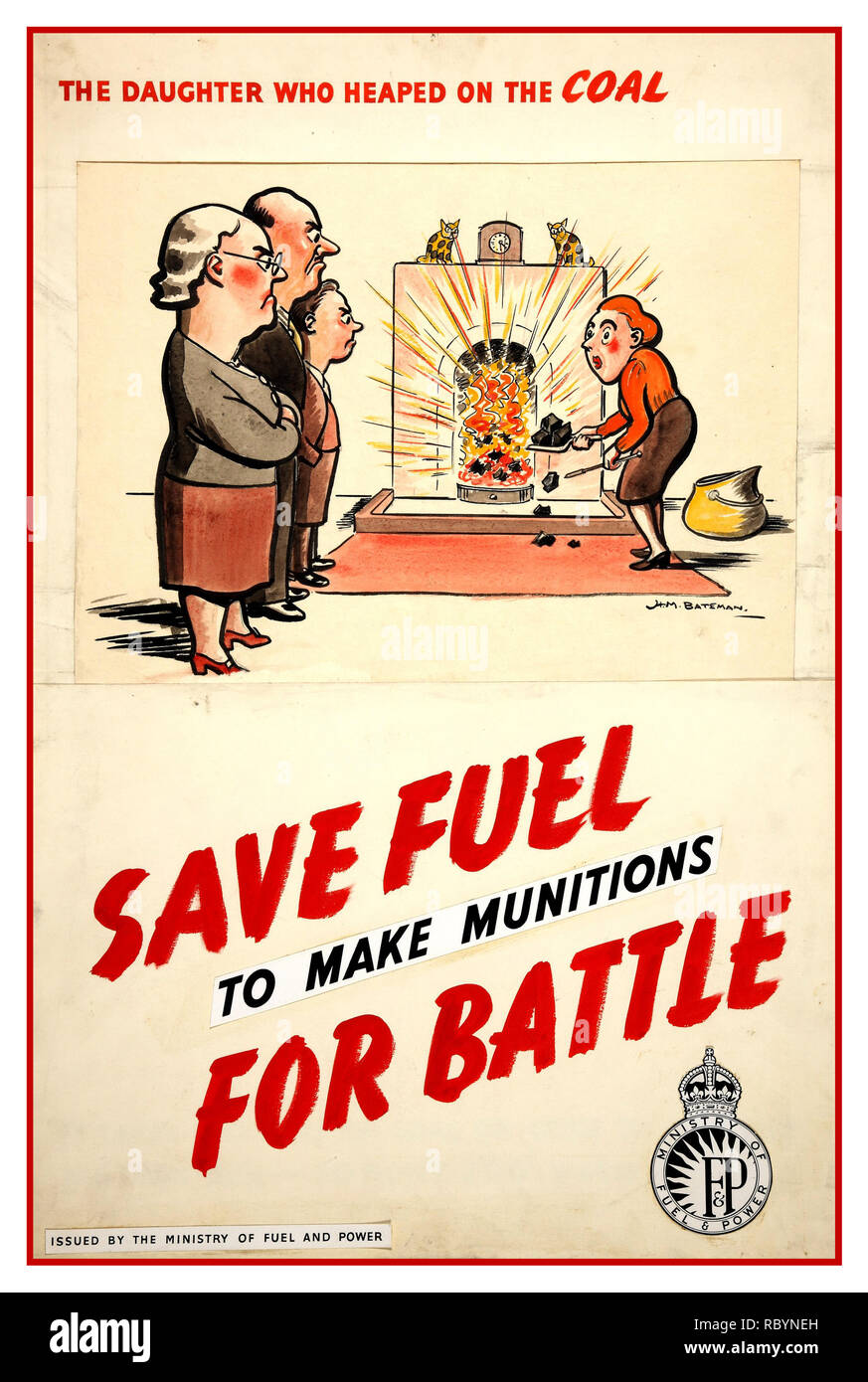
Governments and political regimes are arguably the most prolific architects of historical amnesia. Their motives are often clear: to maintain power, foster national unity (often through selective patriotism), avoid accountability for past atrocities, or legitimize their rule.
- Propaganda and Nation-Building: Many nations construct official histories that celebrate triumphs and downplay defeats or internal conflicts. Textbooks are rewritten, national holidays are created, and monuments are erected to reinforce a specific narrative that serves the state’s interests. Think of the Soviet Union’s constant revisionist history under different leaders, erasing figures from photographs and rewriting events to fit the party line.
- Avoiding Accountability: States frequently suppress evidence of war crimes, human rights abuses, or genocides to avoid international condemnation, reparations, or internal dissent. The denial of the Armenian Genocide by the Turkish government is a poignant example, demonstrating a century-long effort to control the historical narrative.
- Maintaining Stability: In post-conflict societies, governments might suppress uncomfortable truths about civil wars or colonial legacies, fearing that full disclosure could reignite tensions or undermine fragile peace.
- Protecting Doctrine: Information that contradicts established religious teachings or questions the divine nature of certain events can be suppressed. The infamous trial of Galileo Galilei, whose astronomical observations challenged the geocentric model endorsed by the Church, is a classic example of scientific truth being suppressed for theological reasons.
- Maintaining Authority: Narratives that expose corruption, internal power struggles, or human fallibility within religious leadership can be hidden to preserve an image of infallibility or divine guidance.
- Hiding Unethical Practices: Industries might suppress evidence of environmental damage, health risks associated with their products, or exploitative labor practices. The decades-long efforts by tobacco companies to conceal the addictive and harmful nature of cigarettes is a stark example of corporate historical suppression.
- Controlling Narratives: Corporations may fund research or public relations campaigns that downplay negative aspects of their history or promote a sanitized version of their impact on society.
- Difficult Pasts: Societies often struggle to confront histories of slavery, colonialism, or systemic discrimination. The full scope of indigenous genocide and land dispossession in many nations, for instance, was long marginalized or outright ignored in mainstream narratives, only coming to light through the tireless work of activists and scholars.
- Moral Discomfort: Certain aspects of human behavior, such as widespread collaboration with oppressive regimes or the complicity of “ordinary people” in atrocities, can be collectively suppressed because they challenge deeply held beliefs about national character or individual morality.
- Sealed Records: Governments often classify documents related to sensitive historical events, making them inaccessible to researchers. While some declassification processes exist (often after many decades), they can be selective, with critical information redacted or withheld entirely.
- Deliberate Destruction: In cases of severe wrongdoing, documents are often destroyed to eliminate any trace of accountability. This can happen during regime changes, military defeats, or simply through systematic shredding operations.
- Rewriting Textbooks: Educational curricula are primary battlegrounds for historical narratives. Textbooks can be revised to omit inconvenient facts, glorify national heroes, or demonize perceived enemies, effectively indoctrinating younger generations into a specific version of the past.
- Controlling Media: State-controlled media outlets or those influenced by powerful interests can disseminate biased information, downplay critical events, or promote official narratives, making it difficult for citizens to access alternative perspectives.
- Public Memorials and Monuments: The choice of what to commemorate, and how, profoundly influences collective memory. Erecting statues of controversial figures while ignoring victims’ memorials can be a subtle but potent form of historical suppression.
- Targeting Historians and Journalists: Researchers who uncover hidden truths or journalists who investigate historical cover-ups can be denied access to archives, lose their jobs, face smear campaigns, or even be persecuted legally.
- Suppressing Whistleblowers: Individuals who leak classified information or expose institutional wrongdoing are often labeled traitors and face legal prosecution, serving as a deterrent to others who might consider revealing suppressed information. The risks involved in such acts underscore the power structures at play.
- Generational Gaps: As generations pass, the direct experience of traumatic events fades, and the urgency to confront them can diminish, allowing official narratives to solidify unchallenged.
- Selective Memory: Societies, like individuals, can exhibit selective memory, choosing to remember glorious moments while downplaying or ignoring periods of shame or injustice. This often happens subconsciously, shaping a more palatable national identity.
- Suppression: Local authorities and newspapers actively suppressed reporting, destroyed photographic evidence, and omitted the event from history books. Survivors were often too traumatized or fearful to speak.
- Unmasking: It wasn’t until the late 20th century, largely through the persistent efforts of descendants, local historians, and journalists, that the full scale of the massacre began to emerge. A state commission in 2001 officially acknowledged the event and its long-term impact, leading to a slow but ongoing process of recognition and reconciliation.
- Suppression: After the war, the United States granted immunity to the lead researchers of Unit 731 in exchange for their data on biological warfare. This agreement effectively covered up the full extent of the atrocities and prevented their prosecution as war criminals. For decades, the Japanese government also largely denied or downplayed these events.
- Unmasking: Persistent efforts by Chinese victims, independent historians, and investigative journalists gradually brought these hidden truths to light, despite official denials. While the full scope of justice remains elusive, international awareness has grown, challenging the official Japanese narrative.
- Suppression: The Turkish government, as the successor state to the Ottoman Empire, has consistently denied that the events constituted a genocide, instead characterizing them as wartime casualties or inter-ethnic conflict. This state-sponsored historical cover-up involves controlling historical narratives, lobbying against international recognition, and prosecuting those within Turkey who acknowledge the genocide.
- Unmasking: Despite overwhelming historical evidence and widespread international recognition, the denial persists. However, continuous efforts by the Armenian diaspora, human rights organizations, and scholars worldwide ensure that the memory of the genocide is preserved and its recognition continues to be pursued.
- Suppression: These programs were highly classified, and the CIA actively denied their existence or scope for many years. Records were destroyed, and whistleblowers were silenced.
- Unmasking: Through investigative journalism (e.g., Seymour Hersh’s reporting), congressional inquiries (like the Church Committee in the 1970s), and Freedom of Information Act (FOIA) requests, significant portions of these hidden truths eventually came to light, revealing disturbing government overreach and ethical violations.
- FOIA Requests: In democratic nations, Freedom of Information Act (FOIA) requests allow citizens and researchers to petition for the declassification and release of government documents, often bringing to light previously suppressed history.
- International Archives: Cross-referencing archives from multiple countries can expose discrepancies and reveal information deliberately omitted by one nation.
- Giving Voice: Collecting oral histories directly from survivors, witnesses, and their descendants provides crucial first-hand accounts that may never have been written down or officially recorded.
- Indigenous Perspectives: Recognizing and incorporating indigenous knowledge systems and oral traditions is vital for correcting colonial narratives that often erased or distorted the histories of native peoples.
- Exposing Secrets: Investigative reporters can dedicate years to following leads, interviewing sources, and piecing together fragments of information that expose hidden truths.
- Protecting Whistleblowers: A free press is essential for providing a platform for whistleblowers who risk everything to reveal classified or suppressed information from within powerful institutions.

Religious Institutions
Throughout history, religious institutions have also played a significant role in shaping and sometimes suppressing historical narratives. Their motivations often revolve around protecting dogma, maintaining moral authority, or preserving the sanctity of their foundational texts and figures.
Corporate Interests
While less overtly political, corporate entities have also engaged in historical cover-ups to protect their profits, reputation, or market share.
Social and Cultural Norms
Sometimes suppression isn’t the result of a deliberate, top-down conspiracy, but rather a collective societal discomfort with certain truths. Cultural taboos, collective shame, or a desire for a more comfortable past can lead to a form of self-censorship or widespread amnesia.
Mechanisms of Suppression: How Hidden Truths Are Buried
The act of suppressing history is rarely a single, overt command; it involves a sophisticated array of mechanisms designed to control information, shape perception, and silence dissent.
Archival Control and Document Destruction
One of the most effective ways to bury truth is to control its physical evidence. This can range from sealing archives for decades (or indefinitely) to outright destruction of incriminating documents.
Selective Preservation: Even when records are kept, the decision of what to preserve and how* to catalog it can subtly shape future historical interpretations, prioritizing certain narratives while implicitly devaluing others.
Narrative Manipulation and Propaganda
Controlling the story itself is a powerful form of suppression. This involves actively shaping public understanding through education, media, and official pronouncements.
Silencing Dissent and Persecuting Whistleblowers
Those who challenge official narratives often face severe consequences, from professional ostracism to imprisonment or worse.
The Power of Forgetting and Collective Amnesia
Beyond deliberate acts, history can also be suppressed through a collective societal choice to forget or marginalize uncomfortable aspects of the past. This isn’t always malicious but can stem from a desire for peace, a discomfort with guilt, or simply the natural human tendency to move on.
Notable Cases of Historical Cover-Ups and Suppressed Narratives
Examining specific instances brings the abstract concept of suppressed history into sharp focus, revealing the tangible impact of these efforts.
The Tulsa Race Massacre (1921)
For decades, one of the worst acts of racial violence in American history was largely erased from official records and public memory. In 1921, the prosperous Black community of Greenwood in Tulsa, Oklahoma, known as “Black Wall Street,” was bombed from the air and burned to the ground by a white mob. Hundreds were killed, and thousands were left homeless.
Unit 731 and Japanese War Crimes
During World War II, the Imperial Japanese Army conducted horrific biological and chemical warfare experiments on living human subjects in Unit 731 in occupied China. These crimes were among the most egregious of the war.
The Armenian Genocide
Between 1915 and 1923, an estimated 1.5 million Armenians were systematically exterminated by the Ottoman government. This event is widely recognized by historians and many nations as the first modern genocide.
CIA’s Operation Mockingbird and MKUltra
In the mid-20th century, the U.S. Central Intelligence Agency (CIA) engaged in covert operations like “Mockingbird” (alleged influence on media) and “MKUltra” (mind control experiments, often involving drugs and psychological torture).
The Role of Revisionist History: Challenging the Status Quo
The term “revisionist history” sometimes carries negative connotations, often associated with denialism or attempts to whitewash the past. However, legitimate historical revisionist history is a cornerstone of academic inquiry. It’s the ongoing process by which historians re-examine established narratives, challenging accepted interpretations based on new evidence, methodologies, or perspectives.
True revisionist history is not about fabricating facts or pushing an ideological agenda; it’s about rigorous scholarship that seeks a more complete and accurate understanding of the past. For example, the re-examination of colonial histories from the perspective of the colonized peoples, or the inclusion of women’s and minority voices, are crucial forms of revisionism that enrich our historical tapestry. This process is essential for unmasking suppressed history, as it inherently questions official narratives and seeks out the voices and evidence that have been previously ignored.
The Tools of Unmasking: How Truth-Seekers Illuminate the Past
Uncovering hidden truths requires immense dedication, critical thinking, and a diverse toolkit of investigative methods. It’s often a painstaking process, but the rewards are profound.
Archival Research and Declassification
The most fundamental tool remains the meticulous examination of primary sources. Historians spend years sifting through government archives, private collections, diaries, letters, and contemporary records.
Oral Histories and Indigenous Knowledge
For histories that have been marginalized or actively suppressed, particularly those of non-literate or oppressed communities, oral traditions and personal testimonies become invaluable.
Investigative Journalism and Whistleblowers
Journalists play a critical role in bringing historical cover-ups to public attention, often working in dangerous environments and facing significant risks.
Digital Forensics and Open-Source Intelligence
The digital age offers new avenues for unmasking history, allowing researchers to analyze vast amounts of data and piece together narratives from publicly available sources.