
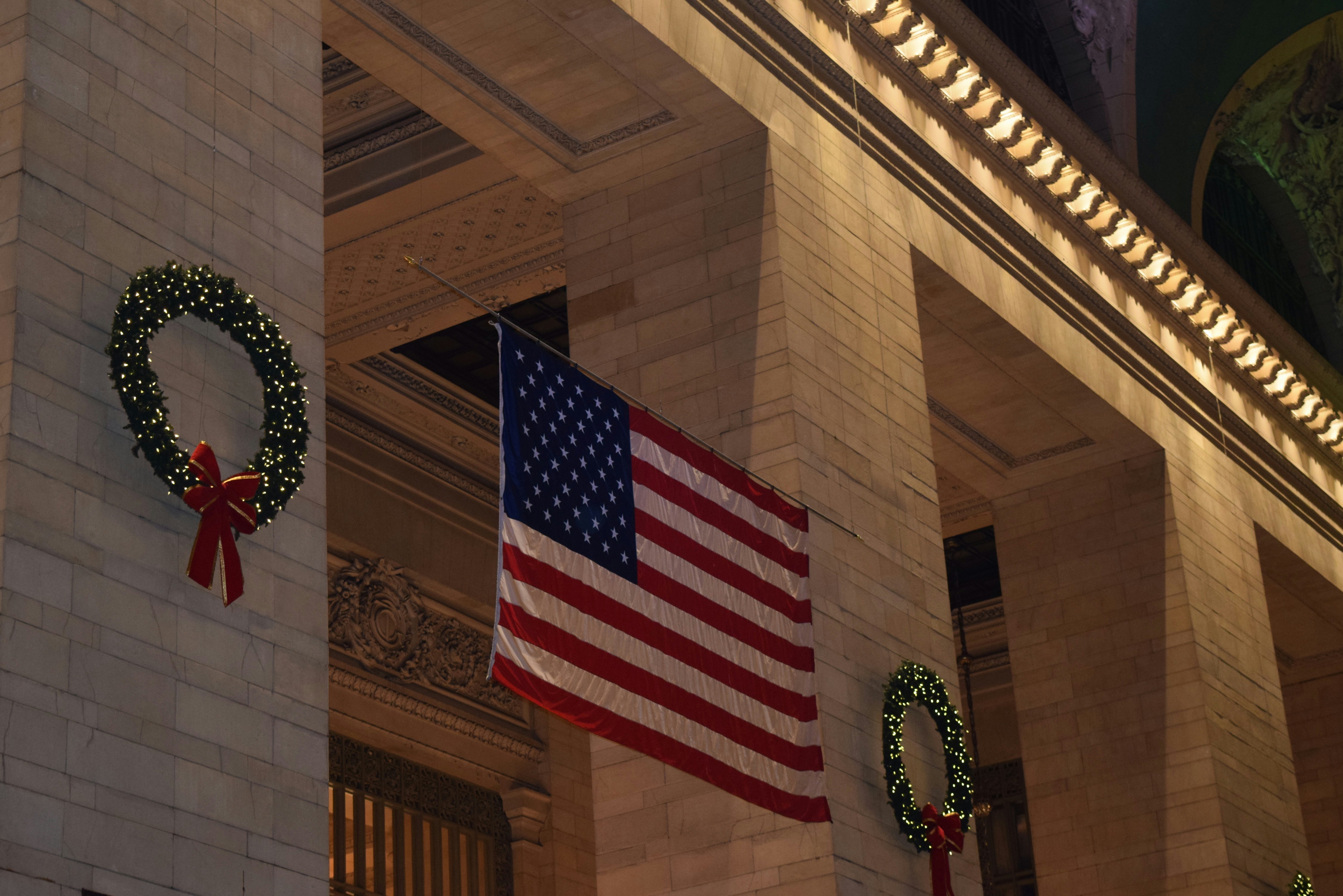
The Origins of American Holidays
The history of American holidays is deeply intertwined with the diverse cultural fabric of the nation. Its roots can be traced back to indigenous celebrations, which were often centered around seasonal changes, agricultural cycles, and spirituality. Native American tribes engaged in various festivities that honored the earth and its bounties, laying the groundwork for many modern traditions.
With the arrival of European settlers in the early 17th century, these indigenous celebrations began to blend with the customs brought from Europe. Holidays such as Thanksgiving emerged from this synthesis. The Pilgrims’ first Thanksgiving in 1621, for example, was not just a harvest celebration; it symbolized the cooperation between Native Americans and European settlers, illustrating a significant historical moment in American culture.
As these settlers established their communities, they introduced various European festivities that would influence holidays in America. For instance, Christmas, originally a European holiday, began to take on new forms as it merged with local customs. The celebration of Christmas was often met with resistance due to its perceived pagan roots, yet it gradually became embraced, evolving into a significant holiday within American culture.
The blending of different customs and traditions is what makes American holidays unique. The incorporation of practices from diverse cultures has created a rich tapestry of celebrations observed across the nation. Over time, these holidays have transformed, adapting to contemporary society while retaining elements of their origins. Understanding the early roots of American holidays provides valuable insight into their current significance and the various ways they continue to bring people together throughout the year.
The Influence of Immigrant Cultures
American holiday traditions have evolved significantly over time, influenced heavily by the diverse cultures that immigrants have brought to the United States. Each ethnic community has contributed unique customs, foods, and celebrations that have enriched the American cultural landscape. One prominent example is St. Patrick’s Day, which has its roots in Irish heritage. Initially a religious occasion marking the feast day of Saint Patrick, this holiday transformed over the years into a broader celebration of Irish identity, characterized by parades, music, and traditional foods. As Irish immigrants faced discrimination in the 19th century, this holiday became a platform for unity and pride, showcasing their contributions to American society.
Similarly, Cinco de Mayo, widely celebrated in America, draws from Mexican heritage. While the day commemorates the Mexican army’s victory over the French at the Battle of Puebla, it has evolved into a celebration of Mexican culture and heritage in the United States. Communities across the nation engage in vibrant festivities that include traditional food, music, and dance. This celebration not only honors Mexican roots but also highlights the significant cultural contributions of Mexicans and Mexican Americans.
In addition to these holidays, Jewish communities have introduced celebrations like Hanukkah, which showcases their rich traditions and customs. This Festival of Lights, while not a major Jewish holiday in religious terms, has gained prominence in America and is often celebrated by families with the lighting of the menorah, spinning of dreidels, and sharing of traditional foods, such as latkes. These practices offer a glimpse into the Jewish experience in America, where they seek to maintain their cultural identity while participating in the broader fabric of American life.
Overall, the influence of immigrant cultures on holidays in America illustrates the dynamic interplay of tradition and adaptation. The contributions of various ethnic groups reflect the nation’s rich tapestry, highlighting how different communities have not only preserved their unique customs but have also shaped a collective American identity.
Commercialization and Modern Celebrations
The evolution of American holidays is significantly influenced by commercialization and consumerism. In modern times, celebrations such as Christmas and Halloween have transformed from simple cultural observances into major retail phenomena. Businesses capitalize on these holidays to promote sales, generating substantial revenues through various marketing strategies that often overshadow the original meanings and traditions.
Christmas, traditionally celebrated as a religious holiday marking the birth of Jesus Christ, now features an extensive array of commercial influences. Shopping events such as Black Friday and Cyber Monday have reshaped how families prepare for the season, shifting the focus towards gift-giving and spending. The sight of festive decorations in stores and the prevalence of holiday sales have led to a society that equates holiday cheer with consumerism. As a result, many individuals feel societal pressure to participate in spending sprees, which raises concerns about the true essence of the holiday.
Similarly, Halloween has transitioned from a night of costumes and trick-or-treating into a multi-billion dollar industry. The commercialization of Halloween is evident in the proliferation of themed merchandise, costume sales, and large-scale events designed to attract consumers. As businesses optimize their strategies to capitalize on this holiday, the cultural practices surrounding Halloween evolve. The emphasis on extravagance in celebrations can sometimes overshadow the deeper historical roots of the holiday.
The implications of these shifts in holiday celebrations are profound. Cultural practices and societal values manifest in ways that prioritize consumption, often at the expense of community connection and shared experiences. As holidays become synonymous with spending, it raises questions about how future generations will perceive and engage with such traditions. Understanding the interplay between commercialization and cultural heritage is essential to navigate this changing landscape of holidays in America.
Current Trends and Future of Holidays in America
The landscape of holidays in America has undergone a significant transformation in recent years, influenced by various social, cultural, and technological factors. Today’s celebrations reflect a blend of traditional values and contemporary practices, which are increasingly shaped by the diverse demographics of the population. The rise of new holidays, such as Juneteenth and Pride Month, highlights a growing recognition of cultural inclusivity and the importance of representation in holiday observance.
As society evolves, so too do the ways that American holidays are celebrated. Many families are embracing a more personalized approach to traditional holidays like Christmas, incorporating unique customs that resonate with their personal beliefs and values. This customization illustrates a shift away from a one-size-fits-all attitude towards holiday celebrations, allowing individuals and groups to redefine their festive experiences.
Moreover, technology plays a crucial role in shaping modern holiday traditions. Social media platforms serve as a conduit for sharing diverse holiday stories, recipes, and practices, which not only fosters a sense of community but also encourages the blending of various cultural influences. This interaction can lead to innovative ways of celebrating time-honored traditions, making them more relatable to younger generations.
As we look to the future of holidays in America, it is clear that the ongoing integration of diverse practices will continue to enrich the holiday experience. Observances may increasingly reflect societal values, such as environmental sustainability, with more people opting for eco-friendly decorations and gifts. In addition, as conversations about social justice and equality advance, we may see further recognition of marginalized communities and their contributions to the holiday calendar.
Ultimately, the evolution of American holidays represents a vibrant tapestry of cultural heritage and modern societal values. By observing and adapting to these changes, future holiday celebrations will undoubtedly continue to reflect the dynamic identity of America.