Unmasking Censored Histories: Illuminating Hidden Truths and Cover-Ups
History, as the saying goes, is often written by the victors. But what happens to the narratives that don’t fit the dominant story? Across centuries and cultures, countless historical accounts have been intentionally suppressed, distorted, or outright erased, creating suppressed history that obscures critical events and perspectives. These historical cover-ups are not merely academic footnotes; they represent deliberate efforts to manipulate collective memory, control societal narratives, and maintain power, leaving behind a trail of hidden truths waiting to be unearthed by diligent truth-seekers and scholars. Our journey into these obscured pasts is an investigative dive into why these truths are hidden, how they are concealed, and the profound implications of bringing them to light.

The Architects of Amnesia: Why are Histories Suppressed?
History is never a neutral record; it’s a dynamic field shaped by human interests, biases, and agendas. The act of suppressing historical narratives is a potent tool, often wielded by those in power to safeguard their authority, ideology, or economic interests. Understanding these motivations is the first step in recognizing the patterns of historical censorship.

Political Power and Control
One of the most common drivers behind historical cover-ups is the desire to maintain political power. Rulers, regimes, and political parties often reshape history to legitimize their rule, demonize opponents, or forge a unifying national identity that serves their agenda. By controlling the past, they seek to control the present and future. This can involve exaggerating triumphs, minimizing failures, or completely erasing inconvenient figures or movements from the official record.
Economic Interests and Resource Control
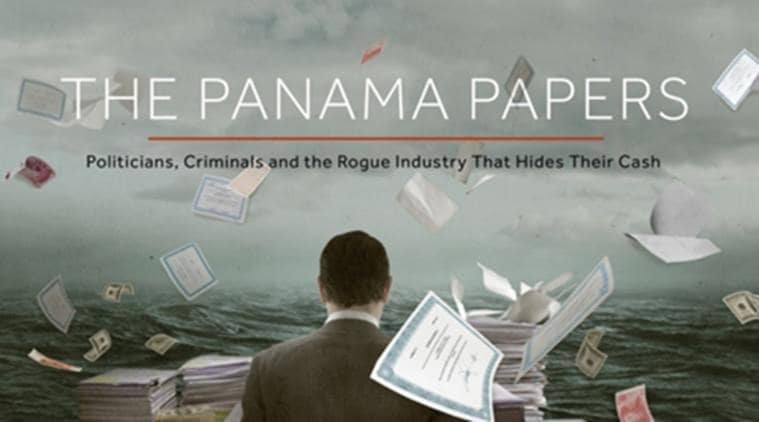
Economic motivations frequently intertwine with political ones. The exploitation of resources, the justification of colonial expansion, or the defense of lucrative industries have often led to the deliberate omission of historical facts that might challenge these interests. For instance, the environmental impact or human cost of certain industrial practices might be downplayed or ignored in official histories to protect profits and avoid accountability.
Shaping National Identity and Ideology
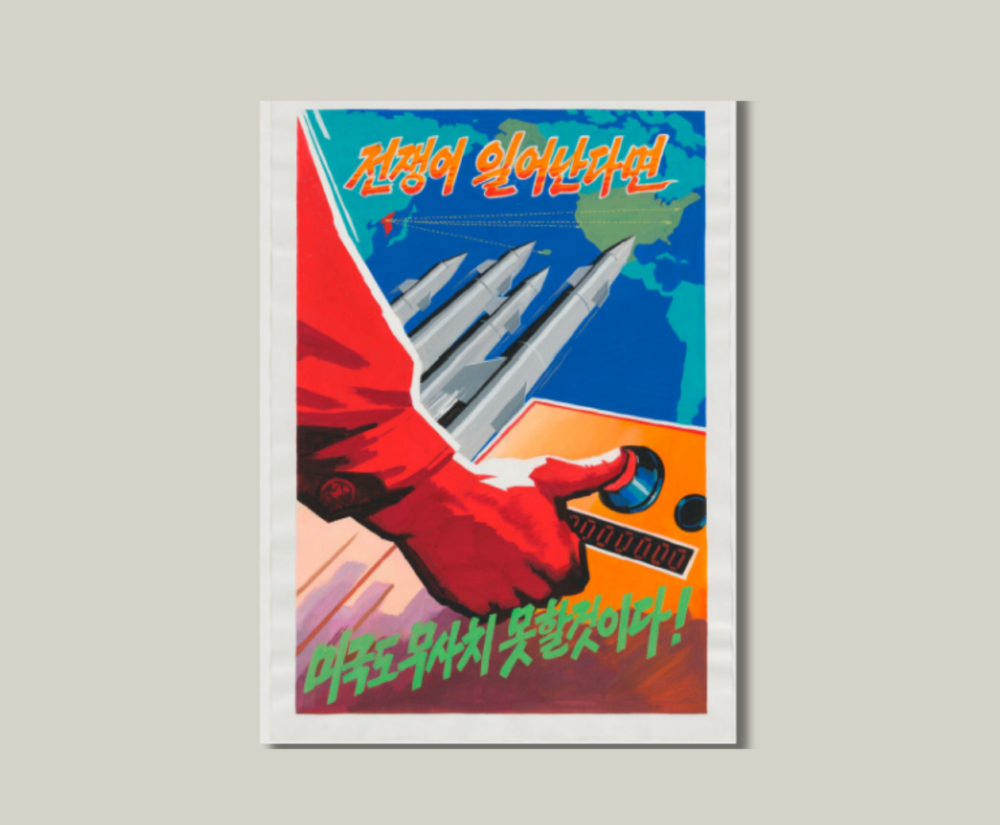
Nations often construct a foundational myth or narrative to foster unity and pride. While this can be a positive force, it can also lead to the deliberate exclusion of narratives that complicate or contradict this idealized self-image. Minority experiences, uncomfortable truths about national origins, or instances of internal conflict might be sidelined in favor of a more cohesive, albeit less accurate, story. This form of revisionist history aims to cultivate a specific ideological framework within the populace.

Protecting Reputations and Legacies
Individuals, families, and institutions with significant influence also play a role in shaping historical narratives. Unflattering episodes, ethical lapses, or past injustices committed by prominent figures can be buried to protect their reputations or the legacies of their descendants. This often manifests in controlling access to private archives, funding skewed historical research, or exerting influence over educational institutions.
Tools of Obscurity: How are Historical Truths Hidden?
The methods used to suppress history are as varied as the motivations behind them. From the overt destruction of documents to the subtle manipulation of educational curricula, these tools work in concert to create a sanitized or entirely fabricated version of the past.
Archival Secrecy and Classification
Governments and powerful organizations frequently classify documents, sealing them away for decades or even centuries under the guise of national security or privacy. While some classification is legitimate, it can also be a convenient way to prevent the public from accessing information that might expose wrongdoing, inconvenient alliances, or the true costs of certain policies. The slow declassification process, often with redactions, can further obscure hidden truths.
Propaganda and Narrative Control
Propaganda isn’t just about spreading false information; it’s also about controlling the entire informational ecosystem. State-controlled media, biased historical accounts, and the systematic promotion of a particular viewpoint can drown out dissenting voices and alternative interpretations. This continuous reinforcement of an official narrative makes it difficult for individuals to question what they are told, leading to widespread acceptance of historical cover-ups.
Destruction and Manipulation of Evidence
Perhaps the most brutal form of suppression is the physical destruction of historical evidence. Libraries burned, documents shredded, monuments toppled, and artifacts plundered – these acts aim to erase the very material basis of a counter-narrative. Less overtly, evidence can be manipulated: documents forged, timelines altered, or photographs doctored to fit a desired historical account.
Educational Curricula and Omissions
The education system is a powerful battleground for historical narratives. What children are taught in schools profoundly shapes their understanding of the world. By selectively including or excluding certain events, perspectives, or figures from textbooks, governments and educational bodies can ensure that generations grow up with a specific, often sanitized, version of history. This is a subtle but effective way to perpetuate suppressed history.
Image Suggestion
Alt Text: A classroom scene with students looking at a history textbook, a spotlight shining on a blank page or a distorted image, symbolizing omissions in education.
Silencing Dissenters and Rewriting Biographies
Those who challenge official narratives or seek to bring hidden truths to light often face severe repercussions. Historians, journalists, activists, and whistleblowers can be imprisoned, exiled, discredited, or even assassinated. Beyond direct silencing, the biographies of dissenting figures can be rewritten, their contributions minimized, or their characters assassinated to undermine their credibility and the validity of their claims.
Echoes from the Shadows: Notorious Cases of Suppressed History
To truly grasp the impact of historical suppression, it’s essential to examine real-world examples where hidden truths have been deliberately obscured, sometimes for generations. These cases highlight the perseverance of truth-seekers and the eventual emergence of what was once considered suppressed history.
The Tulsa Race Massacre: A Century of Silence
For decades, the horrific 1921 Tulsa Race Massacre, where a thriving Black community known as Black Wall Street was bombed and destroyed by a white mob, was largely absent from history books and public memory. Official reports downplayed the scale of the violence, and local authorities actively suppressed investigations and discussions. It wasn’t until the late 20th and early 21st centuries, through the tireless efforts of historians, journalists, and survivors’ descendants, that the true extent of this atrocity and the systemic cover-up began to gain widespread recognition. This is a stark example of how a community’s suffering can be erased to maintain a convenient narrative.
The Armenian Genocide: Denial and Diplomatic Pressure
The systematic extermination of 1.5 million Armenians by the Ottoman government during World War I is another profound instance of suppressed history and state-level denial. Despite overwhelming historical evidence and international recognition, the Turkish government continues to deny that the events constitute a genocide, engaging in a sustained campaign of revisionist history and diplomatic pressure to prevent its recognition globally. This ongoing struggle underscores how political expediency can overshadow historical fact for over a century.
The Comfort Women of WWII: Acknowledgment vs. Omission
During World War II, hundreds of thousands of women, primarily from Korea, China, and other occupied territories, were forced into sexual slavery by the Imperial Japanese Army, euphemistically called “comfort women.” For decades after the war, this brutal chapter was largely omitted from official Japanese historical narratives and textbooks. It was only through the courageous testimonies of survivors and sustained international activism that these hidden truths began to emerge, forcing Japan to acknowledge, though often ambiguously, its past actions.
Indigenous Histories and Colonial Erasure
Across the globe, the histories of indigenous peoples have been systematically suppressed and overwritten by colonial narratives. From North America to Australia, the complex civilizations, rich cultures, and brutal experiences of colonization were often minimized, demonized, or simply ignored in favor of a narrative of “discovery” and “progress.” The ongoing efforts to decolonize history involve reclaiming and re-centering indigenous voices, languages, and perspectives, unearthing suppressed history that challenges deeply ingrained colonial myths.
Internal Link Suggestion
Anchor Text: The ethics of historical interpretation
URL: /articles/ethics-historical-interpretation
Revisionist History: A Double-Edged Sword
The term “revisionist history” often carries a negative connotation, associated with attempts to distort the past for ideological reasons. However, it’s crucial to distinguish between legitimate historical reinterpretation and ideologically driven distortion.
Legitimate Reinterpretation vs. Ideological Distortion
Genuine historical scholarship is an ongoing process of re-evaluating the past in light of new evidence, methodologies, and perspectives. This revisionist history is healthy and necessary; it’s how our understanding of events evolves and deepens. For example, the discovery of new archaeological sites, the declassification of government documents, or the application of new analytical frameworks can lead to a legitimate reinterpretation of historical events. This differs fundamentally from ideological distortion, where historical facts are selectively ignored, misrepresented, or fabricated to serve a political agenda, often perpetuating historical cover-ups.
The Continuous Unearthing of New Evidence
The digital age has significantly impacted our ability to unearth hidden truths. Vast archives are being digitized, making documents accessible to a global community of scholars and citizen historians. Crowdsourcing initiatives, forensic analysis of old media, and the increased interconnectedness of researchers mean that suppressed history has more avenues than ever to come to light. This continuous unearthing ensures that history remains a living, contested field, rather than a static, immutable record.
The Unseen Costs: Why Unmasking Hidden Truths Matters
The consequences of suppressed history extend far beyond academic debates. They ripple through societies, influencing contemporary politics, social justice movements, and our collective ability to learn from the past.
Distorting Present Realities and Future Paths
When the past is misrepresented, our understanding of the present becomes skewed. Without an accurate historical context, we struggle to comprehend the roots of current social inequalities, political conflicts, or economic disparities. This distorted view can lead to misguided policies and a failure to address systemic issues effectively, trapping societies in cycles of unacknowledged problems.
Perpetuating Injustice and Inequality
Historical cover-ups often serve to protect the powerful and deny justice to the marginalized. When atrocities are denied or minimized, victims and their descendants are denied recognition, reparations, and closure. This perpetuates a cycle of injustice, making true reconciliation and healing impossible. Unmasking these hidden truths is a fundamental step towards accountability and rectifying past wrongs.
Erosion of Trust and Collective Memory
A society that cannot trust its own historical narrative is a society prone to deep divisions and cynicism. When citizens discover that their history has been manipulated, it erodes trust in institutions, governments, and even the media. This breakdown of collective memory can make it harder for a society to cohere, to agree on fundamental facts, and to build a shared future.
Image Suggestion
Alt Text: A broken mosaic or shattered historical tablet, symbolizing the fragmentation of collective memory due to historical suppression.
The Truth-Seeker’s Compass: Navigating the Labyrinth of History
For history scholars and truth-seekers alike, the quest to unmask suppressed history requires a rigorous, critical, and open-minded approach. It’s an active, ongoing endeavor, not a passive reception of information.
Cultivating Critical Inquiry and Skepticism
The first and most crucial tool is a healthy dose of critical inquiry. Always ask: “Who wrote this history? What were their motivations? What might be missing?” Approach official narratives, particularly those from powerful institutions, with a discerning eye. Look for inconsistencies, unexplained gaps, or sudden shifts in narrative. Skepticism isn’t cynicism; it’s a commitment to robust verification.
Embracing Diverse Perspectives and Primary Sources
To counteract the biases inherent in any single account, actively seek out diverse perspectives. Read histories from different cultural viewpoints, marginalized communities, and dissenting voices. Prioritize primary sources—original documents, letters, diaries, photographs, and artifacts—over secondary interpretations, as they offer direct windows into the past, less filtered by later agendas.
The Power of Oral Histories and Local Archives
Many hidden truths reside in oral traditions and local community archives, often overlooked by mainstream historians. Engaging with oral histories—the lived experiences and memories passed down through generations—can unlock vital insights into suppressed history, especially for communities whose written records were destroyed or never prioritized. Local historical societies and community-led archives are often treasure troves of forgotten narratives.
Leveraging Digital Tools and Open Access Initiatives
The digital revolution has democratized access to historical information. Utilize online databases, digitized archives from around the world, academic journals, and open-access research platforms. These resources can help connect disparate pieces of evidence, cross-reference accounts, and reveal patterns that might otherwise remain hidden. Be mindful, however, of the provenance and reliability of digital sources.
External Link Suggestion
Anchor Text: Resources for historical research from the American Historical Association
URL: https://www.historians.org/teaching-and-learning/research-and-publications
Collaborative Research and Interdisciplinary Approaches
Unmasking complex historical cover-ups often requires a collaborative effort. Historians can benefit from working with archaeologists, anthropologists, forensic scientists, linguists, and even data analysts. Interdisciplinary approaches bring new tools and perspectives to historical investigation, allowing for a more comprehensive understanding of suppressed history.
Conclusion: The Unending Quest for Historical Integrity
The journey to unmask censored histories is a continuous and vital endeavor. It’s a testament to the enduring human desire for truth and a recognition that an accurate understanding of the past is indispensable for navigating the present and shaping a just future. By actively seeking out hidden truths, questioning dominant narratives, and meticulously piecing together suppressed history, we challenge the architects of amnesia and ensure that the full, complex tapestry of human experience is preserved. This commitment to historical integrity is not just about correcting records; it’s about fostering accountability, promoting empathy, and empowering societies to learn from their collective past, rather than repeating its mistakes. The work of uncovering historical cover-ups is never truly finished, but each discovery brings us closer to a more honest and complete understanding of who we are.
Subscribe for exclusive updates on suppressed historical evidence and join our community of truth-seekers as we continue to illuminate the shadows of the past.
External Link Suggestion
Anchor Text: UNESCO’s Memory of the World Programme (for preserving documentary heritage)
URL: https://www.unesco.org/en/memory-world