
Unveiling Hidden Empires: Modern Archaeology’s Dazzling Discoveries of Ancient Civilizations
Imagine a world where entire cities, vast empires, and sophisticated cultures lie just beneath our feet, waiting to be rediscovered. It’s not a fantasy from an adventure movie; it’s the daily reality for archaeologists working with cutting-edge technology today. Modern archaeology, far from being just about dusty digs and ancient pots, is revolutionizing our understanding of human history, constantly bringing to light “hidden empires” and forgotten “ancient civilizations” that challenge everything we thought we knew.
These “archaeological discoveries” are more than just fascinating relics; they are windows into the lives, innovations, and complexities of peoples long vanished, offering profound insights into our shared human story. From advanced remote sensing that reveals sprawling urban landscapes hidden under dense jungle canopies to sophisticated underwater explorations unearthing legendary port cities, contemporary methods are dramatically accelerating the pace of discovery. This article will take you on a journey through some of the most remarkable findings of “modern archaeology,” showcasing how these “hidden empires” are being unveiled and reshaping our perception of the past.

The Evolution of Discovery: From Shovels to Satellites
For centuries, archaeology was largely an endeavor of intuition, hard labor, and a bit of luck. Researchers would meticulously excavate sites, sifting through layers of earth to uncover artifacts. While this traditional approach remains vital, “modern archaeology” has been utterly transformed by technological advancements, allowing us to detect, map, and understand ancient sites with unprecedented speed and precision.

Remote Sensing: Eyes in the Sky and Beyond
One of the most revolutionary shifts has come from remote sensing technologies. These tools allow archaeologists to “see” beneath the surface or through dense vegetation without ever breaking ground, dramatically changing how we locate and conceptualize “hidden empires.”
- Lidar (Light Detection and Ranging): Perhaps the most game-changing technology, LiDAR uses pulsed laser light to measure distances to the Earth’s surface. From an aircraft, millions of laser pulses create a detailed 3D map of the terrain, effectively “removing” dense forest canopies to reveal ancient roads, buildings, and agricultural terraces below. This has been particularly transformative in jungle environments, where vast “ancient civilizations” like the Maya have been largely hidden.
- Satellite Imagery: High-resolution satellite images, often combined with multispectral analysis, can detect subtle changes in vegetation or soil composition that indicate buried structures. Patterns that might suggest ancient field systems, irrigation canals, or even city walls become visible from orbit, guiding archaeologists to promising areas for further investigation.
- Ground-Penetrating Radar (GPR): For more localized surveys, GPR sends radar pulses into the ground and records the echoes reflected by buried objects or changes in soil layers. This creates a cross-sectional view of what lies beneath, allowing archaeologists to map foundations, tombs, and other features before excavation.
- Sonar and Magnetometers: These tools are crucial for initial surveys. Sonar uses sound waves to map the seafloor, identifying anomalies that could be shipwrecks or submerged settlements. Magnetometers detect subtle changes in the Earth’s magnetic field, often indicating the presence of iron objects like anchors or cannons.
- Remotely Operated Vehicles (ROVs) and Autonomous Underwater Vehicles (AUVs): Equipped with cameras, sonar, and sometimes manipulators, ROVs and AUVs can explore deep-sea sites too dangerous or inaccessible for human divers. They provide high-resolution imagery and data, allowing archaeologists to plan excavations meticulously.
- Advanced Diving Techniques: Specialized diving gear, including rebreathers and saturation diving, allows human archaeologists to spend more time working at depth, conducting delicate excavations and conservation work in challenging underwater environments.
- Magnetometry: Similar to how it’s used underwater, magnetometry on land detects variations in the Earth’s magnetic field caused by human activity. Features like kilns, hearths, ditches, or even postholes can create magnetic anomalies that reveal the layout of ancient settlements.
- Electrical Resistivity: This technique measures the electrical resistance of the soil. Stone walls or compacted surfaces tend to have higher resistance, while ditches or pits filled with organic material have lower resistance, allowing archaeologists to map buried architectural features and other disturbances.
- Ancient DNA (aDNA): By extracting and analyzing DNA from ancient human remains, archaeologists and geneticists can trace migration patterns, understand genetic relationships between ancient groups, identify specific diseases, and even reconstruct dietary habits. This provides an intimate look at the people who built and lived in “ancient civilizations.”
- Isotope Analysis: Analyzing stable isotopes in human and animal bones and teeth can reveal information about diet, geographical origin, and mobility. For example, oxygen isotopes can indicate where a person grew up, while carbon and nitrogen isotopes can reveal what they ate.
- Geographic Information Systems (GIS): GIS allows archaeologists to layer and analyze vast amounts of spatial data—from satellite imagery and LiDAR scans to excavation plans and artifact distributions—to identify patterns, reconstruct landscapes, and model ancient interactions.
- 3D Modeling and Virtual Reality (VR): Digital photogrammetry and laser scanning create highly accurate 3D models of artifacts, structures, and even entire sites. These models can be used for detailed study, virtual reconstruction, and immersive VR experiences that bring “hidden empires” to life for the public.
- Defensive fortifications: Indicating widespread warfare.
- Elaborate irrigation systems: Suggesting advanced water management.
- Elevated causeways: Connecting distant settlements, revealing a highly integrated political and economic system.
- Vast agricultural terraces and fields: Capable of feeding a massive population.
- Colossal statues of pharaohs, gods, and mythological creatures: Many still standing upright.
- Dozens of shipwrecks: Laden with gold coins, jewelry, and everyday objects, providing a snapshot of ancient trade.
- Numerous temples, houses, and port structures: Offering detailed insights into daily life and religious practices.
- Thousands of artifacts: From pottery to ritualistic objects, confirming its immense wealth and importance as a major international port.
- Massive urban planning: With well-defined streets, drainage systems, and multi-storied houses.
- Sophisticated craft production: Evidenced by workshops for pottery, bead making, and metallurgy.
- Extensive burial sites: Providing critical insights into population genetics, health, and funerary practices.
- Evidence of long-distance trade: Through the discovery of seals and artifacts from other regions.
- Civilization is not a singular, linear progression: Göbekli Tepe shows that complex social organization and monumental architecture could predate agriculture.
- Ancient populations were far larger and more interconnected than previously thought: The Maya LiDAR findings illustrate vast, integrated urban landscapes.
- Sophisticated cultures thrived in diverse and challenging environments: From the deep sea (Thonis-Heracleion) to dense mountain jungles (Ciudad Perdida).
- Many “hidden empires” still await discovery: The sheer volume of new findings suggests that much of the past remains unknown.
- Preservation vs. Excavation: Every excavation is, in a sense, a destructive act. Archaeologists must constantly weigh the imperative to uncover knowledge against the responsibility to preserve sites for future generations and technologies.
- Looting and Illicit Trade: The discovery of “hidden empires” can sadly attract looters, who plunder sites for artifacts to sell on the black market, destroying invaluable historical context in the process. Protecting these sites requires constant vigilance and international cooperation.
- Indigenous Rights and Repatriation: Many “archaeological discoveries” involve the heritage of living indigenous communities. “Modern archaeology” increasingly emphasizes collaboration, respecting ancestral lands, and addressing calls for the repatriation of human remains and sacred objects.
- Funding and Accessibility: Cutting-edge technology is expensive, and many significant sites are in remote or politically unstable regions, making sustained research challenging.
- AI and Machine Learning: To process vast datasets, identify patterns, and even predict the locations of undiscovered sites.
- Miniaturized Robotics: For exploring delicate or confined spaces, such as inside tombs or fragile underwater wrecks, with minimal disturbance.
- Advanced Material Analysis: To extract even more information from artifacts about their origin, use, and degradation.
- Citizen Science: Engaging the public in data analysis (e.g., classifying satellite imagery) to accelerate the pace of discovery.
- Anchor Text: The history of ancient Maya
- Anchor Text: Understanding the Indus Valley script
- Anchor Text: Archaeological methods and technologies
- Anchor Text: Göbekli Tepe research
- Anchor Text: National Geographic’s Maya LiDAR project
- This article would be well-suited for Article structured data to help search engines understand its content and context.
- An FAQ section could naturally be added at the end, addressing common questions like “What is the most important archaeological discovery?” or “How does LiDAR work in archaeology?”, which would benefit from FAQPage structured data.
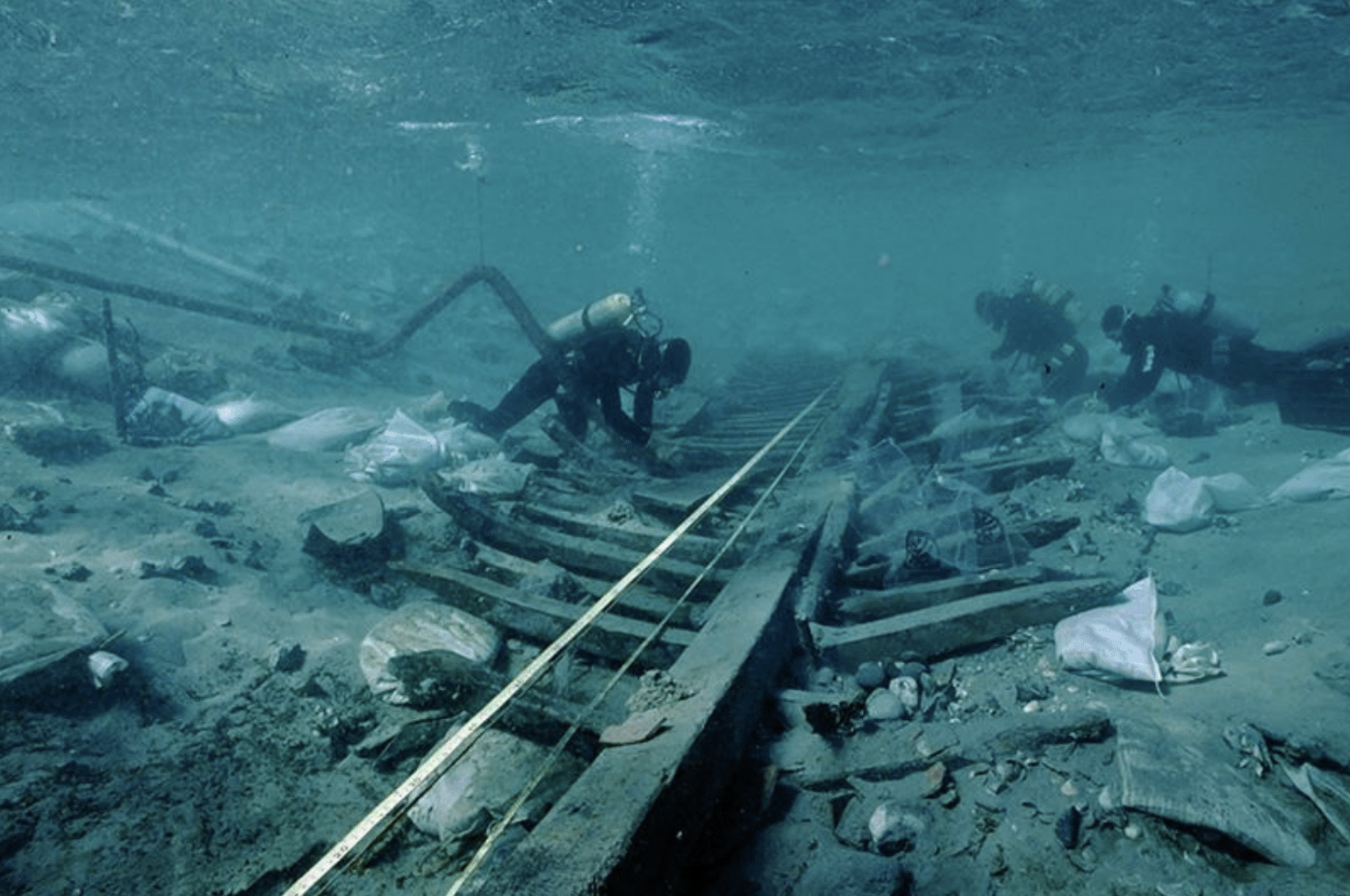
Underwater Archaeology: Diving into the Deep Past
The oceans, lakes, and rivers hold a vast, largely unexplored archive of human history. “Modern archaeology” has developed specialized techniques to access these submerged “hidden empires” and preserve their fragile contents.

Geophysical Surveys: Peering Beneath the Surface
Beyond GPR, other geophysical methods offer different “views” into the subsurface, complementing each other to provide a comprehensive picture of buried sites.

DNA Analysis and Bioarchaeology: Unlocking Ancient Secrets
It’s not just structures and artifacts that “modern archaeology” uncovers. Advances in genetic science have opened up incredible new avenues for understanding ancient populations.
Computational Archaeology: Big Data and Digital Reconstruction
The sheer volume of data generated by modern archaeological surveys requires sophisticated computational tools for analysis, visualization, and interpretation.
Unveiling Hidden Empires: Landmark Archaeological Discoveries
Armed with these incredible tools, “modern archaeology” has made breathtaking “archaeological discoveries” in recent decades, revealing the true scale and ingenuity of “ancient civilizations” across the globe.
Göbekli Tepe, Turkey: Rewriting the Dawn of Civilization
Perhaps no discovery has challenged our understanding of early human history more profoundly than Göbekli Tepe in southeastern Turkey. Discovered in the mid-1990s and still under excavation, this site features massive, intricately carved stone pillars arranged in monumental circles. What makes it so extraordinary is its age: Göbekli Tepe dates back approximately 11,600 years, predating the invention of agriculture, pottery, and even settled village life.
This “hidden empire” of monumental architecture pushes back the timeline for complex social organization by thousands of years. It suggests that the desire to build grand sacred spaces might have preceded the development of agriculture, rather than being a consequence of it. The effort required to quarry, transport, and erect these multi-ton pillars indicates a sophisticated society with advanced planning, labor organization, and symbolic thought, long before what was traditionally considered the “birth of civilization.” Göbekli Tepe forces us to reconsider the very foundations of human development.
The Maya Lowlands: A Megalopolis Revealed by LiDAR
For centuries, the dense jungles of Central America shrouded the true extent of the Maya civilization. While iconic cities like Tikal and Palenque were known, archaeologists believed the Maya lived in relatively dispersed, independent city-states. Then came LiDAR.
In the 2010s, extensive LiDAR surveys across Guatemala, Belize, and Mexico unveiled a staggering network of interconnected cities, towns, and agricultural infrastructure. What was once thought to be vast, empty jungle was revealed to be a highly engineered landscape, teeming with millions more people than previously imagined. LiDAR exposed thousands of previously unknown structures, including:
These “archaeological discoveries” transformed our understanding of the Maya from a collection of isolated urban centers into a sprawling, interconnected “hidden empire” rivaling some of the largest civilizations in world history. It demonstrated a level of urban planning and environmental manipulation that was previously inconceivable.
Thonis-Heracleion, Egypt: The Sunken City of Legends
For centuries, ancient texts spoke of a prosperous Egyptian port city called Heracleion, a gateway to the Nile Delta and a vibrant trading hub. Yet, its location remained a mystery, dismissed by many as a myth. That is, until the turn of the millennium, when underwater archaeologist Franck Goddio and his team, using sophisticated sonar and geophysical survey techniques, located the city, now known as Thonis-Heracleion, submerged beneath the waters of Aboukir Bay near Alexandria.
This “hidden empire” was discovered remarkably well-preserved on the seabed. Excavations have since revealed:
The gradual sinking of Thonis-Heracleion, likely due to a combination of rising sea levels, seismic activity, and the unstable clay sediments it was built upon, preserved it like a time capsule. Its discovery has not only confirmed the existence of a legendary city but also provided invaluable data on ancient Egyptian maritime trade, religious practices, and its interactions with the Greek world.
Ciudad Perdida (The Lost City), Colombia: A Pre-Columbian Marvel
High in the Sierra Nevada de Santa Marta mountains of Colombia lies Ciudad Perdida, or “The Lost City,” an ancient settlement of the Tairona people. While not discovered by “modern archaeology” in the traditional sense (it was stumbled upon by grave robbers in 1972), its subsequent exploration and understanding have been profoundly shaped by contemporary archaeological methods.
Older than Machu Picchu by some 650 years, this “hidden empire” was built around 800 CE and flourished until the Spanish conquest. Reached by an arduous trek through dense jungle, the site consists of 169 stone terraces carved into the mountainside, a network of tiled roads, and numerous small plazas. Its remote location protected it from extensive looting and allowed for relatively undisturbed archaeological study once proper expeditions began.
Archaeologists, working with indigenous communities who are the descendants of the Tairona, have used mapping technologies and careful excavation to understand its complex layout, sophisticated engineering, and the daily lives of its inhabitants. The city’s design, with its elaborate water management systems and agricultural terraces, speaks to the advanced understanding the Tairona had of their challenging mountain environment. Ciudad Perdida stands as a testament to the rich and complex “ancient civilizations” that thrived in the Americas long before European arrival.
Rakhigarhi, India: Expanding the Indus Valley Civilization
The Indus Valley Civilization (also known as the Harappan Civilization) was one of the world’s three early cradles of civilization, alongside ancient Egypt and Mesopotamia. While major cities like Harappa and Mohenjo-Daro have been known for decades, “modern archaeology” continues to unveil its true scale and complexity, particularly through ongoing work at sites like Rakhigarhi in the Indian state of Haryana.
Rakhigarhi is now recognized as one of the largest, if not the largest, cities of the Indus Valley Civilization, covering an area of over 350 hectares. Recent “archaeological discoveries” here, enabled by extensive surveys and excavations, have revealed:
The work at Rakhigarhi, combined with other new findings, has expanded our understanding of the Indus Valley Civilization’s geographical reach, population size, and internal organization. It underscores that even well-known “ancient civilizations” still hold many “hidden empires” within their broader scope, awaiting discovery and reinterpretation through new archaeological data.
The Impact of These Discoveries: Rewriting History
Each of these “archaeological discoveries” does more than just add a new dot on the map; they fundamentally challenge and expand our understanding of human history. They demonstrate that:
These findings encourage an interdisciplinary approach, combining archaeology with geology, genetics, environmental science, and computational modeling, to paint a more complete and nuanced picture of our ancestors.
Challenges and Ethical Considerations in Modern Archaeology
While the thrill of discovery is immense, “modern archaeology” also grapples with significant challenges and ethical dilemmas.
The Future of Unveiling Hidden Empires
What does the future hold for “modern archaeology”? We can anticipate even more sophisticated technologies, including:
The Earth still holds countless secrets. From the depths of the Amazon rainforest to the unexplored regions of the deep ocean, “hidden empires” and “ancient civilizations” are waiting for us to find them. Each new discovery promises to enrich our collective human story, reminding us of the incredible ingenuity, resilience, and diversity of those who came before us.
Conclusion
“Modern archaeology” is in a golden age of discovery, continually pushing the boundaries of what we thought possible. Through the innovative application of technologies like LiDAR, sonar, and genetic analysis, we are not merely finding new sites; we are fundamentally re-evaluating the timeline, scale, and complexity of “ancient civilizations.” These “archaeological discoveries” illuminate “hidden empires” that challenge established narratives, offering profound insights into the human journey across millennia. The past is not static; it is a dynamic, ever-unfolding narrative, and with each new finding, we come closer to understanding the full, magnificent tapestry of human history.
Ready to delve deeper into the mysteries of the past? Explore hidden empires with our interactive timeline and journey through the most significant archaeological discoveries that have reshaped our world.
*
Internal Link Opportunities:
Suggested Link: /blog/history-of-ancient-maya-civilization (or similar)
Suggested Link: /blog/deciphering-indus-valley-script (or similar)
Suggested Link: /blog/introduction-to-archaeological-methods (or similar)
External Link Opportunities:
Suggested Link: https://www.dainst.blog/the-dai-in-the-field/2023/09/25/gobekli-tepe-new-findings-from-the-worlds-oldest-megalithic-site/ (or a relevant academic institution’s page like German Archaeological Institute)
Suggested Link: https://www.nationalgeographic.com/history/article/maya-laser-lidar-discovery-guatemala (or a similar reputable news/science source)
Structured Data Recommendation: