
Journey into Ancient Enigmas: Decoding Mysteries and Lost Knowledge of the Past
The mystery of the past has always held a certain allure. Ancient civilizations left behind tantalizing clues in their artifacts, architecture, and written records—hints of profound knowledge, enigmatic puzzles, and mysteries we are still trying to decipher today. As we delve into the shadowy corners of history, we find ourselves on an exciting journey of discovery, one that continually challenges our understanding of the world and ourselves.

Unraveling Ancient Mysteries
From the towering pyramids of Egypt to the intricate Mayan glyphs, every artifact, monument, and manuscript holds a piece of the puzzle that is our past. These ancient mysteries, wrapped in layers of time and dust, offer glimpses into civilizations that flourished thousands of years ago. But with every answer we uncover, new questions emerge.
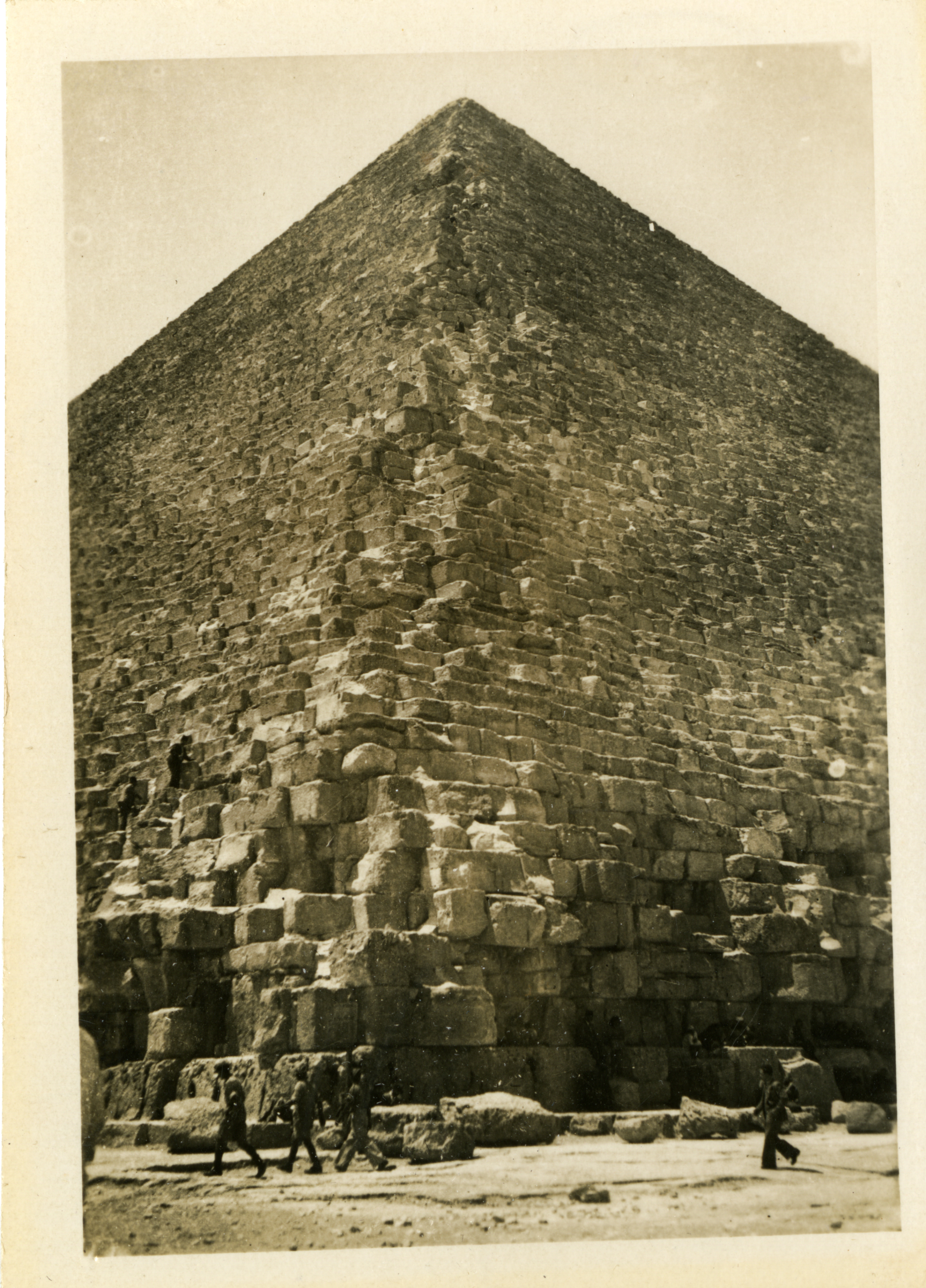
The Pyramids: A Testament to Lost Knowledge?
Take, for example, the Great Pyramid of Giza. It is a marvel of ancient engineering, built with such precision that we still cannot fully explain how it was accomplished. The Egyptians of the time supposedly lacked the advanced mathematical and astronomical knowledge necessary for such a feat, leading some to suggest that they must have had help from a more advanced civilization—or even extraterrestrial beings. While such theories are largely dismissed by mainstream archaeology, they underscore the enduring enigma of the Great Pyramid.
:max_bytes(150000):strip_icc()/sun-stone-or-aztec-calendar-stone-found-in-tenochtitlan-in-1789-mexico-azteca-civilization-15th-century-479633697-58b2d8fe5f9b5860466ab148.jpg)
The Mayan Calendar: An Unsolved Puzzle
Then there is the Mayan calendar, a complex system of timekeeping that accurately predicted celestial events thousands of years into the future. It is an extraordinary achievement, especially given that the Maya supposedly lacked the sophisticated tools of modern astronomy. Yet they managed to devise a calendar system more accurate than the Julian calendar, which came into use centuries later in Europe. How they accomplished this remains a mystery, prompting speculation about lost knowledge and advanced astronomical understanding.

Deciphering Enigmatic Artifacts
Ancient mysteries are not confined to monumental architecture or complex calendars. Sometimes they are found in the smallest of artifacts—seemingly ordinary objects that defy our understanding of ancient cultures.
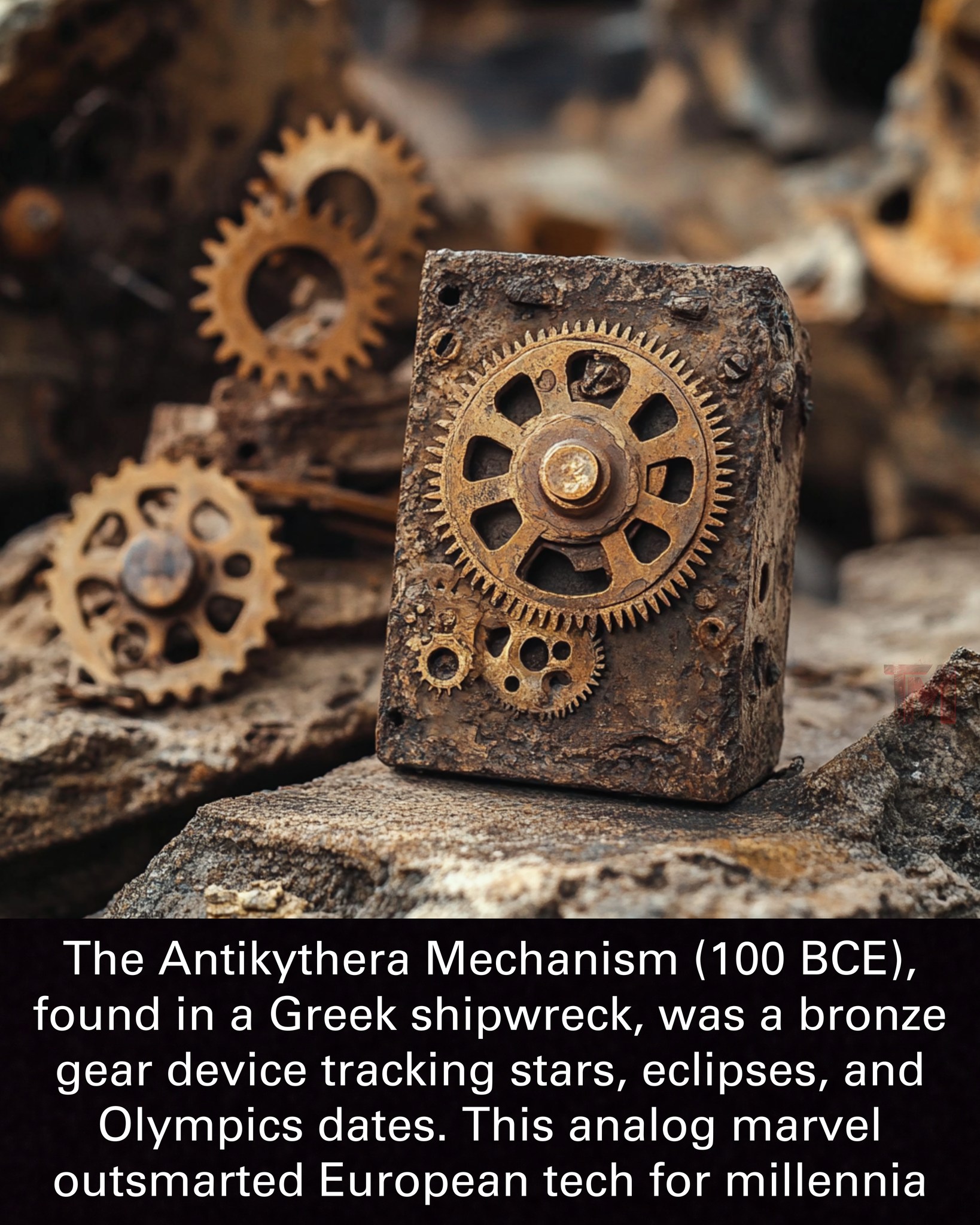
The Antikythera Mechanism: An Ancient Computer?
One such artifact is the Antikythera Mechanism, a device discovered in a shipwreck off the coast of Greece. Dating back to the 2nd century BCE, it is a complex assembly of gears and dials, often described as the world’s first analog computer. It is believed to have been used to predict astronomical positions and eclipses, as well as to track the four-year cycle of the ancient Olympic Games. But who built it, how they acquired such advanced technical knowledge, and why no other examples of similar devices have been found remain enduring mysteries.
The Baghdad Battery: Evidence of Ancient Electricity?
Another intriguing artifact is the so-called Baghdad Battery, an object found in modern-day Iraq that dates to the Parthian or Sassanid period (between 225 BCE and 650 CE). It consists of a clay jar, a copper cylinder, and an iron rod, and some believe it was used to generate electricity. If true, it would predate the invention of the electric battery by more than a thousand years. However, the purpose of this device is still debated, with some suggesting it may have been used for electroplating or electrotherapy.
The Quest for Lost Knowledge
Ancient civilizations possessed a deep understanding of the natural world, astronomy, mathematics, and other disciplines. This knowledge, reflected in their artifacts and structures, often seems far ahead of its time. How they acquired it—and why it was lost—are questions that continue to fascinate researchers.
The Library of Alexandria: The Repository of Lost Knowledge?
The Library of Alexandria is often seen as a symbol of lost knowledge. It was the largest and most significant library of the ancient world, housing hundreds of thousands of scrolls containing the wisdom of antiquity. The destruction of the Library in a series of fires is considered one of the greatest tragedies in human intellectual history. We can only speculate about the priceless insights and discoveries that were lost forever in its ashes.
Ancient Indian Science: A Legacy of Advanced Knowledge?
Similarly, ancient Indian science and technology present a wealth of advanced knowledge across numerous fields, including mathematics, astronomy, medicine, and metallurgy. The concept of zero, the decimal system, advanced surgical techniques, and the production of high-quality steel are just a few examples of the sophisticated knowledge possessed by ancient Indian scholars. Yet much of this knowledge was forgotten or overshadowed by later developments in the Western world, highlighting the fragility and transience of human knowledge.
Conclusion
As we journey into the enigmas of the past, we realize that our ancestors were far more advanced than we often give them credit for. Their mysteries and lost knowledge challenge our perceptions, pique our curiosity, and inspire us to learn more about our shared history. The quest to decode these ancient puzzles is a journey of discovery that enriches our understanding of humanity’s past—and its potential future.
So, are you ready to delve into the enigmas of ancient civilizations? Test your knowledge and satisfy your curiosity with our interactive quiz. Who knows what fascinating secrets you may uncover!