
Hidden Empires Revealed: Unearthing Ancient Civilizations Through Modern Archaeology
In the vast timeline of human history, countless stories remain untold, hidden empires await discovery, and ancient civilizations keep their secrets close. For history and archaeology enthusiasts, the promise of unearthing lost civilizations and the thrill of breathtaking discoveries drive our enduring fascination with the past. This journey through time is made possible by modern archaeology—a field that continues to evolve, innovate, and astonish us at every turn.
:max_bytes(150000):strip_icc()/TAL-damrei-krap-temple-CAMBODIA0323-46d9ece14ae04894b203b95f60dc4812.jpg)
The Charm and Challenge of Hidden Empires
The allure of hidden empires is undeniable. These are the lost civilizations that have slipped from the historical record, their existence either completely forgotten or shrouded in myth and legend. Discovering one is akin to finding a missing piece of an intricate puzzle—a revelation that not only fills a gap in our knowledge but reshapes our understanding of human civilization.
The challenge, however, is that these empires do not willingly divulge their secrets. They lie buried under layers of soil, concealed beneath dense vegetation, or hidden beneath the waves. Unearthing them requires cutting-edge technology, academic expertise, and tireless on-site exploration.
Modern Archaeology: A Time Machine to the Past
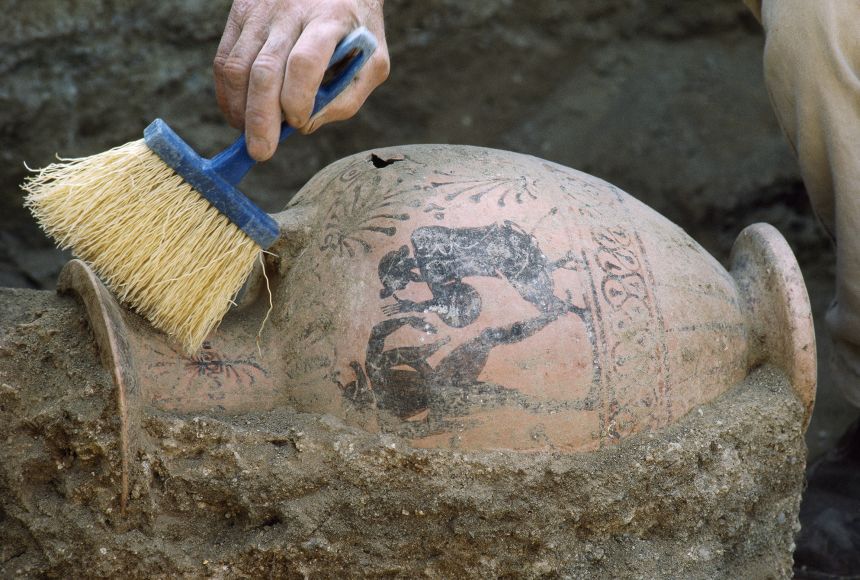
Modern archaeology has evolved far beyond its early days of treasure hunting and tomb raiding. Today, it is a multidisciplinary scientific field that employs sophisticated technology and rigorous methodologies to explore the past. From remote sensing techniques like LiDAR (Light Detection and Ranging) to advanced DNA analysis, modern archaeology has revolutionized our ability to discover and study ancient civilizations.
Unearthing the Hidden: Case Studies of Archaeological Discoveries
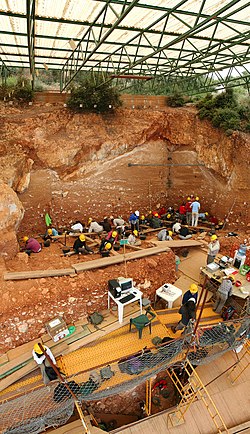
Let’s delve into some of the most significant archaeological discoveries in recent years, where modern archaeology has unveiled the existence of hidden empires and reshaped our understanding of human history.

The Maya Civilization: A Jungle Empire Revealed
One of the most dramatic breakthroughs came in 2018, when an aerial survey using LiDAR technology revealed a sprawling Maya civilization hidden beneath the dense jungles of Guatemala. By penetrating the thick canopy to create a detailed 3D map of the ground, the survey uncovered a vast network of cities, farms, highways, and fortifications—evidence of a highly sophisticated civilization far more complex and interconnected than previously imagined.

The Lost City of Z: Discovering a Mythical Empire
Another intriguing case is the discovery of a vast network of settlements in the Amazon rainforest, a finding that challenged the long-held belief that the Amazon was an untouched wilderness before European colonization. Revealed through satellite imagery and on-the-ground exploration, these settlements suggest the existence of a complex, urbanized civilization—possibly the legendary “Lost City of Z” described by early explorers.
The Sunken Cities of Egypt: Underwater Archaeology
Modern archaeology is not limited to land. Underwater archaeology has led to the discovery of sunken cities that once thrived along coastlines before being swallowed by the sea. A prime example is the ancient Egyptian cities of Heracleion and Canopus, discovered off the coast of Egypt. Mentioned in ancient texts but long lost, these cities were revealed through underwater excavations, offering a wealth of information about ancient Egyptian civilization and its interactions with the Greek world.
Modern Archaeology: Unraveling the DNA of Ancient Civilizations
Beyond physical structures, modern archaeology has made strides in understanding the biological aspects of ancient civilizations. Advances in DNA analysis now allow archaeologists to extract and study ancient DNA from human remains, providing insights into genetic makeup, migration patterns, and health conditions of ancient populations.
For instance, DNA analysis of Neolithic remains in Europe revealed a massive migration from the Russian steppes around 5,000 years ago—a discovery that fundamentally revised our understanding of European prehistory. In another case, DNA analysis of remains from Pompeii offered a glimpse into the diverse genetic heritage of its inhabitants, reflecting the city’s role as a bustling hub of the Roman Empire.
Conclusion: The Continual Journey of Discovery
The quest to unearth hidden empires and lost civilizations is a continual journey of discovery. Each archaeological find—whether a sprawling city hidden in the jungle or a single strand of ancient DNA—adds a new chapter to the story of human civilization. This quest is fueled by the tireless efforts of modern archaeologists, who continue to push the boundaries of technology and knowledge in pursuit of the past.
Through the lens of modern archaeology, we can travel back in time, witness the rise and fall of empires, and gain a deeper understanding of our shared human heritage. As we explore the secrets of hidden empires, we are reminded that history is not just about the past—it also shapes our present and future. It is a mirror reflecting our achievements, our failures, and our potential as a species.
We invite you to join us on this exciting journey. Explore the secrets of hidden empires with our interactive timeline, immerse yourself in the fascinating world of archaeology, and be part of the ongoing quest to unearth our collective past. The hidden empires are waiting to reveal their secrets. Are you ready to discover them?