
Hidden Empires Revealed: Unearthing Ancient Civilizations Through Modern Archaeology
Around the world, beneath our feet and beneath the waves, lie the remnants of lost civilizations. These hidden empires whisper tales of human triumph, tragedy, and ingenuity—stories waiting to be told, waiting to be unearthed. Modern archaeology, with its ever-evolving methodologies and technologies, is the lens through which we glimpse these mysterious pasts. This journey of discovery is not merely about unearthing artifacts and ruins; it is about weaving together the fragmented narratives of human history and redefining our understanding of the past.

The Power of Modern Archaeology
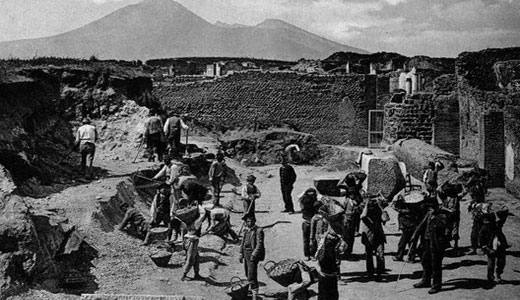
Modern archaeology has come a long way from its early roots. Today, the field is about far more than digging up artifacts—it integrates a wide range of scientific disciplines to better understand the human story. Geophysical surveys, remote sensing technologies, DNA analysis, and carbon dating are just a few of the tools archaeologists now use to uncover and interpret the secrets of ancient civilizations.
Unearthing Lost Civilizations
Some of the most exciting archaeological discoveries have brought previously unknown or misunderstood civilizations into focus. These hidden empires, emerging from the shadows of time, offer unique insights into our shared human history.
The Lost City of Helike
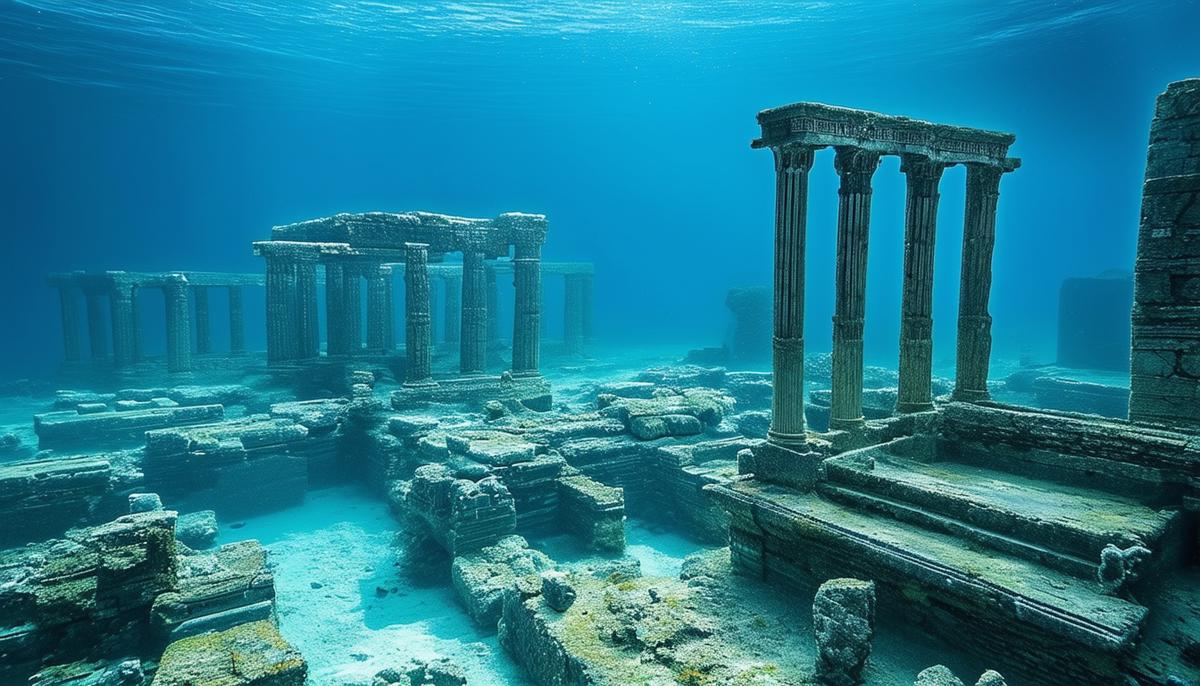
In 373 BC, a powerful earthquake and subsequent tsunami swallowed the prosperous Greek city of Helike. The tragedy was recorded by ancient historians, yet the city’s location remained a mystery until modern archaeologists unearthed it in the 20th century. Using geophysical mapping and ground-penetrating radar, they discovered the remains of buildings, artifacts, and even the ancient road leading to Helike, all buried beneath layers of sediment.
The Indus Valley Civilization
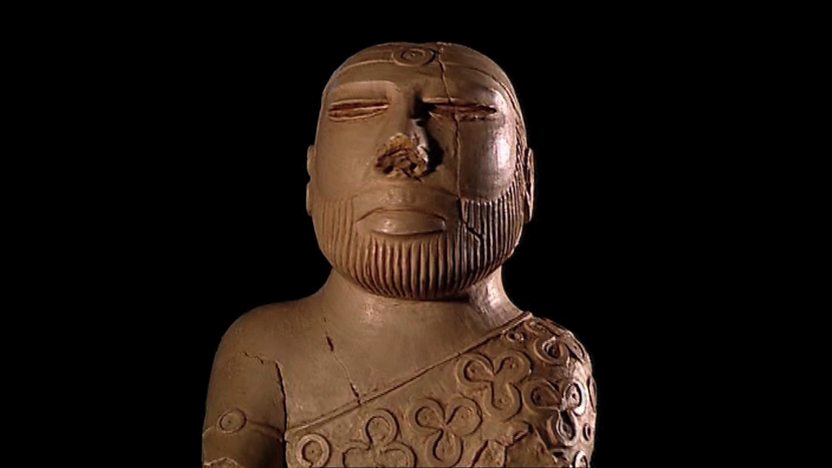
The Indus Valley Civilization, also known as the Harappan Civilization, was one of the world’s earliest urban societies. Hidden for centuries beneath the soil of modern-day Pakistan and India, it was discovered in the 1920s. Since then, archaeologists have uncovered more than a thousand cities and settlements, revealing a remarkably advanced culture with sophisticated urban planning, innovative sanitation systems, and a still-undeciphered script.

The Mayan Civilization
For centuries, the dense tropical forests of Central America concealed the secrets of the Maya civilization. Once thought to be primitive, this civilization’s true sophistication has been revealed through the discovery of elaborate cities with towering pyramids, astronomical observatories, and intricate artworks. Modern archaeology continues to uncover the full scope of Maya achievements, including their complex hieroglyphic writing system and extraordinary understanding of mathematics and astronomy.
The Impact of Archaeological Discoveries
The revelation of these hidden empires carries far-reaching implications. Such discoveries challenge our preconceived notions about the past and offer fresh perspectives on human civilization, culture, and progress. They also underscore the dynamism and diversity of human societies across different eras and regions.
Redefining History
Every archaeological discovery adds to the intricate tapestry of human history. These finds provide tangible evidence of past societies and cultures, allowing us to understand their social organization, religious beliefs, technological innovations, and more. In doing so, they continually reshape our understanding of the past.
Inspiring Cultural Appreciation
By unearthing the achievements of ancient civilizations, archaeology inspires awe and appreciation for our shared cultural heritage. It reminds us of the richness and diversity of human cultures—and of the deep interconnectedness of our collective histories.
Guiding Future Endeavors
The lessons of the past can guide our future endeavors. Understanding the factors behind the success or collapse of ancient civilizations offers valuable insights for contemporary societies, especially in areas such as urban planning, environmental stewardship, and social organization.
The Future of Archaeology
Archaeology is a field in constant evolution. New technologies and methodologies promise even more exciting discoveries in the years ahead. From ground-penetrating radar and satellite imagery to artificial intelligence and virtual reality, these innovations are poised to revolutionize how we explore and understand the past.
The Power of Technology
Modern technology is transforming archaeology, enabling more precise excavations and more accurate interpretations of discoveries. LIDAR (Light Detection and Ranging), for instance, has been instrumental in revealing hidden Maya cities beneath the dense jungles of Central America. DNA analysis, meanwhile, has provided unprecedented insights into the genetic makeup of ancient populations, helping researchers trace human migrations and interactions over time.
The Role of Citizen Science
In today’s digital age, the participation of everyday people—citizen scientists—is becoming increasingly vital to archaeology. Platforms like GlobalXplorer allow anyone with an internet connection to take part in the discovery and preservation of archaeological sites, democratizing the field and fostering greater public engagement.
Ultimately, the unearthing of hidden empires through modern archaeology is an enlightening journey into the depths of our shared human history. It not only reveals the remarkable accomplishments of ancient civilizations but also informs our present and guides our future. As we continue to dig deeper, we can expect to uncover still more exciting chapters of our collective past.
Explore the secrets of hidden empires with our interactive timeline. Immerse yourself in the fascinating stories of lost civilizations, their spectacular discoveries, and the modern archaeological methods that made these revelations possible. Experience the thrill of discovery and the profound sense of connection that comes with understanding our shared heritage—and unearth the hidden empires of the past on a captivating journey through human history.