
Here is the polished, publication-ready version of your article. All placeholder text has been removed, and the content is formatted for a professional WordPress blog.
*
Title: Unveiling the Legacy of Women Trailblazers: Stories of Pioneering Figures Who Shaped History
Meta Description: Explore the inspiring legacy of women trailblazers who shaped history. Learn about pioneering figures across science, politics, arts, civil rights, and business, their lasting impact, and how to carry their lessons forward.
—
Today, women hold roughly 30% of parliamentary seats worldwide in countries with quotas and only 25% of leadership roles in the largest companies—progress that would have been unimaginable without the groundwork laid by women trailblazers. This article explores the lives, contexts, and legacies of pioneering women who reshaped societies, institutions, and cultural expectations.
Introduction: Why the Stories of Women Trailblazers Matter
Across centuries and continents, women have driven change: pioneering scientific breakthroughs, demanding civil rights, reshaping culture, leading nations, and building businesses from the ground up. Yet many of these stories have been marginalized or simplified. In this comprehensive article, you will learn about influential women trailblazers, the obstacles they overcame, their strategies for change, and how their legacies inform contemporary movements for equality and inclusion.
We’ll examine case studies across sectors—science, politics, civil rights, arts, and business—highlighting patterns in leadership and resistance, and presenting actionable lessons for individuals, organizations, and educators seeking to amplify women’s historical contributions. By the end, readers will understand not only who these women were, but how to apply their lessons to today’s challenges.

Trailblazers in Science and Technology: Breaking the Glass Microscope
Women scientists often had to fight to study, publish, and receive credit for their discoveries. Their achievements nonetheless transformed knowledge and technology.
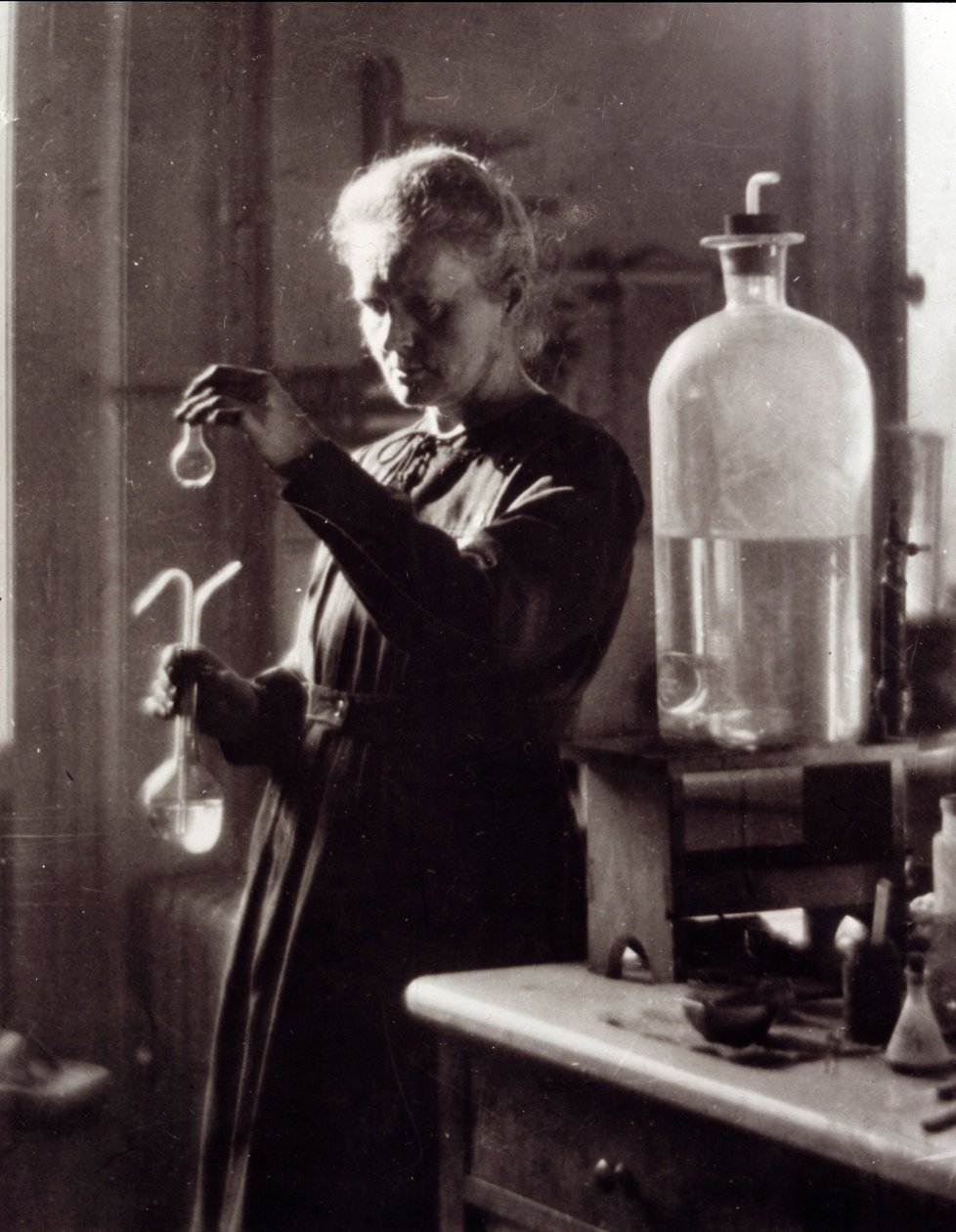
Marie Curie — Pioneering Physics and Chemistry
Marie Curie (1867–1934) remains synonymous with perseverance and scientific rigor. As the first woman to win a Nobel Prize and the only person to win Nobels in two different sciences (Physics, 1903; Chemistry, 1911), Curie’s work on radioactivity laid foundations for medical imaging, cancer treatment, and nuclear science.
- Key achievement: Discovery of polonium and radium; development of techniques to isolate radioactive isotopes.
- Legacy: Creation of research institutions (Radium Institute in Paris) and expansion of women’s presence in scientific research.
- Key achievement: High-resolution X-ray diffraction images of DNA and structural analysis of viruses.
- Legacy: Highlighting the need for equitable credit, mentorship, and proper acknowledgment in collaborative science.
- Key achievements: Orbital mechanics calculations, leadership in computing teams, and mentoring new generations of engineers.
- Legacy: Improved access to STEM education for women and minorities, and public recognition of collective scientific contributions.
- Key achievement: Social welfare reforms and nationalization of key industries.
- Legacy: Demonstrated women’s capability in the highest executive roles and inspired future female heads of state.
- Key achievements: Economic reforms (Thatcher) and centralized governance (Gandhi).
- Legacy: Complex lessons about power, policy trade-offs, and the gendering of leadership archetypes.
- Key achievement: Key victories in gender discrimination cases and influential opinions shaping constitutional law.
- Legacy: An enduring model of legal strategy and incremental reform.
- Key achievement: Advocacy for emancipation and gender equity, direct engagement with lawmakers and public audiences.
- Legacy: An early model of intersectional activism linking race and gender.
- Key achievement: Concrete action triggering broad-based nonviolent protest and legal challenges to segregation.
- Legacy: Demonstrated the power of coordinated grassroots action and persistent legal advocacy.
- Key achievement: Co-founding Ms. magazine, public speaking, and coalition-building across movements.
- Legacy: Media as a tool for advocacy and framing feminist discourse for mass audiences.
- Key achievement: Innovative narratives and a foundational feminist critique of access to resources and representation.
- Legacy: Influenced generations of writers and scholars on gender and creativity.
- Key achievement: A distinctive visual language integrating personal biography and national identity.
- Legacy: Empowered artists to center marginalized experiences and identities in visual culture.
- Key achievement: Awarded the Nobel Prize in Literature (1993); canonical novels like Beloved.
- Legacy: Elevated Black voices in literature and reshaped literary curricula worldwide.
- Key achievement: Successful product business, training networks, and economic empowerment initiatives.
- Legacy: Model for community-focused entrepreneurship and wealth-building within marginalized communities.
- Key achievement: Strategic diversification and long-term sustainability planning.
- Legacy: Demonstrated the value of inclusive executive leadership and stakeholder-focused governance.
- Structural barriers: Legal restrictions on property, voting, and education that limited participation.
- Institutional exclusion: Denial of degrees, patents, jobs, or credit, forcing alternative routes to recognition.
- Bias and stereotyping: Cultural narratives that delegitimized women’s authority or expertise.
- Resource constraints: Limited access to funding, mentorship, and networks critical for scaling impact.
- Intersectional marginalization: Women of color, LGBTQ+ women, and disabled women often faced compounded discrimination.
- Key lesson: Persistence, multi-tactic strategies, and cross-class alliances drive durable policy change.
- Key lesson: Systemic interventions (policy, funding, culture) outperform isolated initiatives.
- Key lesson: Transparency, measurable targets, and leadership buy-in are essential for scale.
- Access indicators: Enrollment rates in education, access to healthcare, employment rates.
- Outcome measures: Wage parity, poverty reduction, life expectancy improvements linked to policy changes.
- Institutional memory: Existence of organizations, scholarships, and institutions that continue trailblazers’ missions.
- Policy durability: Laws and precedents that resist rollbacks and inspire replication.
- Mentor and sponsor: Actively mentor women and underrepresented colleagues; sponsor them for opportunities.
- Vote and advocate: Support policies that expand access to education, healthcare, and economic resources for women.
- Create experiential learning: Support internships, research experiences, and community projects highlighting women’s work.
- Assess inclusively: Use project-based assessments that surface collaborative and intersectional contributions.
- Invest in pipelines: Fund scholarships, apprenticeships, and leadership development for women.
- Normalize flexibility: Offer parental leave, flexible schedules, and accessible workplaces that retain talent.
- Trailblazers change systems through both visible achievements and invisible network-building.
- Structural change requires multiple tactics: law, institutions, culture, and economics.
- Intersectionality matters: durable progress attends to overlapping forms of exclusion.
- Explore our resources on gender equality in the workplace for actionable strategies.
- Visit the National Women’s History Museum for further reading on pioneering figures.
- Read about the United Nations’ work on gender equality to see how these legacies continue globally.
Rosalind Franklin — The Unsung Role in DNA’s Structure
Rosalind Franklin (1920–1958) produced X-ray diffraction images that were critical to understanding DNA’s double helix structure. Franklin’s photograph “Photo 51” and her meticulous chemical analyses provided essential evidence—though credit during her lifetime was limited.
Katherine Johnson, Mary Jackson, and Dorothy Vaughan — Pioneers at NASA
These three women of the “Hidden Figures” team at NASA broke racial and gender barriers in the mid-20th century. Their calculations and programming enabled U.S. space missions and demonstrated the critical role of diverse technical talent.
Political and Diplomatic Trailblazers: Women Leading Nations and Movements
Women’s leadership in politics has often been a catalyst for policy change—especially on education, health, and social justice.
Sirimavo Bandaranaike — World’s First Female Head of Government
Sirimavo Bandaranaike of Sri Lanka became the world’s first female prime minister in 1960. Her leadership reoriented national policy on welfare and non-alignment in Cold War geopolitics.
Margaret Thatcher and Indira Gandhi — Strong, Controversial Leadership
Both Thatcher (UK) and Gandhi (India) held long tenures that transformed their nations. Their political styles and policies provoked debate, but their presence reshaped global perceptions of women in power.
Ruth Bader Ginsburg — Judiciary Advocate for Equality
Ruth Bader Ginsburg (1933–2020), U.S. Supreme Court Justice, spent her career advancing gender equality through litigation and jurisprudence. Her strategic, precedent-focused approach changed laws related to employment, voting rights, and reproductive autonomy.
Civil Rights and Social Justice Trailblazers: Changing the Moral Compass
Social progress often begins at the margins. Women activists have led movements for abolition, suffrage, civil rights, and LGBTQ+ rights—shaping public policy and cultural norms.
Sojourner Truth and Frederick Douglass’s Women Allies
Sojourner Truth (c.1797–1883) combined abolitionism and women’s rights advocacy. Her “Ain’t I a Woman?” speech captured intersectional struggles long before the term existed.
Rosa Parks — The Spark for the Montgomery Bus Boycott
Rosa Parks’s refusal to give up her seat in 1955 catalyzed the Montgomery Bus Boycott and energized the U.S. civil rights movement. Parks, along with many unnamed women organizers, played critical strategic and logistical roles.
Gloria Steinem and the Second-wave Feminists
Gloria Steinem became a prominent public face of second-wave feminism in the 1960s and 1970s, advocating for workplace equality, reproductive rights, and cultural change through media and organizing.
Arts, Literature, and Cultural Trailblazers: Shaping Identity and Imagination
Art and literature have been powerful mediums for reframing narratives about women’s roles and possibilities.
Virginia Woolf — Literary Modernism and Feminist Thought
Virginia Woolf (1882–1941) pushed literary form and feminist argument through novels and essays like A Room of One’s Own, which argued for women’s intellectual independence and financial autonomy.
Frida Kahlo — Identity, Body, and Political Art
Frida Kahlo’s paintings merged personal pain, identity, and Mexican cultural symbolism. Kahlo’s willingness to depict disability, love, and politics reshaped modern art’s possibilities for self-representation.
Toni Morrison — A Literary Architect of Black Experience
Toni Morrison (1931–2019) created richly textured novels that center Black life, memory, and trauma. Her work expanded literary empathy and global understanding.
Business and Entrepreneurship Trailblazers
Women entrepreneurs and business leaders have often created new markets, redefined corporate culture, and advocated for inclusive practices.
Madam C.J. Walker — Building Wealth and Empowerment
Madam C.J. Walker (1867–1919) became one of the first American self-made female millionaires by creating haircare products for Black women. She combined entrepreneurship with philanthropy and activism.
Indra Nooyi and Modern Corporate Leadership
As CEO of PepsiCo, Indra Nooyi implemented sustainable growth strategies and emphasized “Performance with Purpose,” showing how corporate leaders can integrate social responsibility with profitability.
Common Barriers Confronted by Women Trailblazers
Across contexts, pioneering women encountered overlapping barriers. Recognizing these commonalities helps inform present-day interventions.
Strategies Adopted by Women Trailblazers: How They Won Change
Despite these obstacles, trailblazers used recurring strategies to create breakthroughs—strategies organizations and individuals can emulate today.
1. Building Parallel Institutions
When excluded from mainstream institutions, many women created their own: research institutes, newspapers, schools, and businesses. These parallel institutions provided resources, credibility, and community.
2. Strategic Litigation and Policy Change
Legal challenges and policy advocacy were tools to set precedents and unlock systemic access. From suffrage petitions to gender discrimination cases, law was a lever for long-term change.
3. Storytelling and Media Advocacy
Using literature, journalism, and later film and social media, women framed public narratives, built empathy, and shaped cultural norms—essential for sustainable reform.
4. Mentorship and Network Building
Deliberate mentorship, apprenticeships, and professional networks helped transmit knowledge and elevate new leaders. Institutional mentorship programs replicate this approach today.
5. Coalition-building and Intersectional Alliances
Successful movements frequently bridged class, race, and ideological divides. Inclusive coalitions multiplied resources and political power.
Case Studies: How Trailblazers Created Lasting Systems Change
Case Study 1: Women’s Suffrage Movements — Incremental Wins to Legal Rights
Women’s suffrage required decades of grassroots organizing, legal petitions, and political pressure. Strategies included public rallies, lobbying, civil disobedience, and media campaigns. The result was incremental legal victories culminating in national enfranchisement in many countries.
Case Study 2: Women in STEM Initiatives — From Exclusion to Inclusion
Programs that combined scholarships, mentorship, inclusive hiring, and culture change have increased women’s participation in STEM fields. Historical precedents—returning WWII-era women engineers or the post-war expansion of university access—show that policy plus funding matters.
Case Study 3: Corporate DEI Transformations — Boardrooms to Pipelines
Companies that set measurable goals, reformed hiring practices, and built sponsorship models have shifted representation at managerial levels. Notable corporate leaders used public commitments and internal accountability to accelerate change.
Measuring Legacy: Metrics and Signals of Lasting Impact
Assessing the legacy of trailblazers requires both quantitative and qualitative measures. These metrics help organizations and historians track progress and remaining gaps.
Quantitative Indicators
– Representation metrics: Share of women in leadership roles, boards, and elected office.
Qualitative Signals
– Cultural shifts: Changes in media representation, public discourse, and social norms.
How Individuals and Institutions Can Keep the Legacy Alive
The legacies of women trailblazers become meaningful when translated into present action. Below are practical steps for different audiences.
For Individuals
1. Educate yourself and others: Read primary biographies, attend local history events, and cite women’s contributions in your work.
For Educators
1. Integrate diverse curricula: Include women’s contributions across disciplines and grade levels.
For Organizations and Employers
1. Set measurable diversity goals: Track recruitment, retention, promotion, and pay equity.
Top Quotes and Takeaways from Trailblazers
> “Nothing in life is to be feared; it is only to be understood.” — Marie Curie. This underscores curiosity and resilience as engines of progress.
“A woman’s place is in the struggle.” — Assata Shakur. Reinforces activism as ongoing and communal.
Key takeaways:
Frequently Asked Questions (FAQ)
Who qualifies as a woman trailblazer?
A woman trailblazer is someone who, through action or ideas, opened pathways previously inaccessible to women or marginalized groups—whether in science, politics, arts, business, or social movements.
Why are many women’s contributions historically overlooked?
Historiographic biases, patriarchal institutions, lack of archival attention, and systemic exclusion have obscured many contributions. Recent scholarship and public history projects aim to correct this imbalance.
How can organizations measure progress inspired by trailblazers?
Use combined quantitative metrics (representation, pay equity) and qualitative reviews (culture surveys, retention narratives). Annual public reporting and third-party audits increase accountability.
Suggested Internal and External Links
– Learn more about women in STEM and current initiatives to close the gender gap.
—
This article was crafted to honor the enduring impact of women trailblazers and to provide a clear, actionable guide for carrying their work forward.