
Shadows and Strategy: How to Build a Dark, Atmospheric Brand That Haunts Your Market
There’s a certain gravity to darkness. It draws attention without shouting. It compels without promising comfort. If you’re reading this, you want a brand that lingers—one that feels less like a product and more like an experience that inhabits the mind of your audience. This article teaches you how to craft a dark, atmospheric brand identity that’s strategic, effective, and terrifyingly memorable.
You’ll learn the creative and tactical steps to design visuals, tone of voice, content, product experience, and marketing systems that work together like a well-timed thunderclap. Expect concrete examples, hands-on templates for messaging, UX and design checklists, SEO and social strategies that align with a moody aesthetic, and conversion techniques that don’t dilute the vibe. This isn’t about goth tropes or gimmicks. It’s about purposeful shadow—using atmosphere as a competitive advantage.

Why a Dark, Atmospheric Brand Works
Dark aesthetics aren’t just fashion statements; they’re psychological levers. People respond to contrast, to mystery, to the promise of something different. A restrained, brooding identity signals depth and authority in crowded markets. It attracts niche loyalty and increases perceived value.
- Attention economy advantage: In bright, predictable landscapes, darkness stands out.
- Emotional intensity: Mood-driven brands forge deeper connections and recall.
- Perceived premium: Minimalism plus shadow suggests craft and rarity.
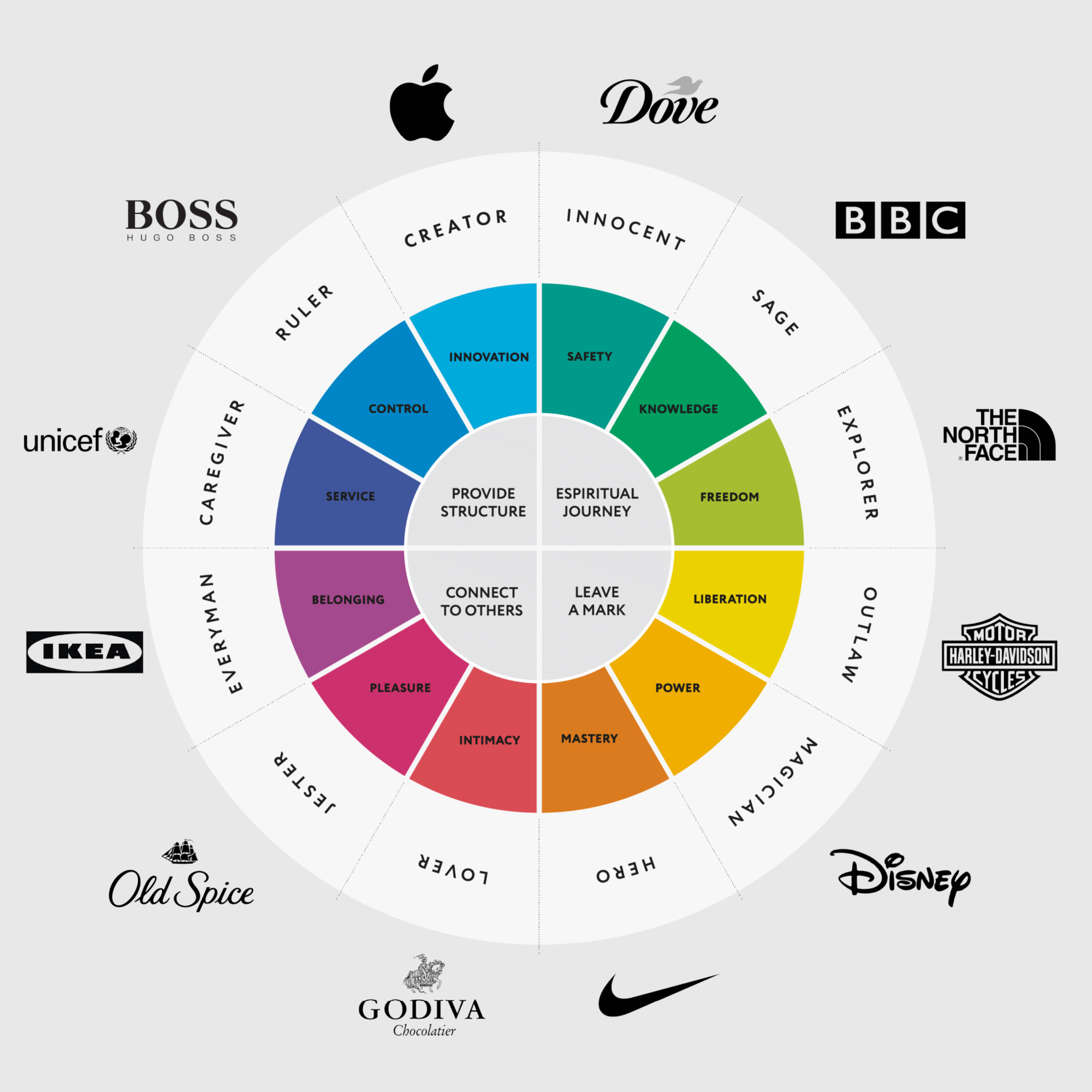
- Archetype: Choose one (The Sage, The Rebel, The Enigma). This shapes narrative voice and customer relationship.
- Emotional palette: Fear? Longing? Reverence? Use 2–3 primary emotions to guide messaging.
- Atmospheric keywords: Curate 10–15 words that capture tone—e.g., shadow, hush, ember, cold, draw.
- Boundaries: What your brand will never be—cheery, casual, overly playful.
- Primary: Deep charcoal or off-black (avoid pure #000000 where possible—use subtle warmth or coolness).
- Accent: One metallic (gunmetal, bronze) or saturated jewel tone (oxblood, indigo) for emotional focus.
- Support: Soft neutrals—smoke gray, bone, muted slate—for legibility and layers.
- Use high-contrast serif for headlines (it reads like a whispered authority).
- Sans-serif for UI and body copy for readability.
- Large, aggressive headings with roomy letter-spacing; compact, dense body text.
- Hook: Short, enigmatic opener—”You’re here because you want to be changed.”
- Value: Stark, benefit-driven statement—”Products built to last in the dark.”
- Proof: Concrete claim—”Three-year warranty, handcrafted in limited runs.”
- Invitation: Low-friction action—”Explore quietly.”
- Use sentence fragments strategically for emphasis.
- Prefer active verbs and sensory nouns.
- Limit exclamation; let implication carry intensity.
- Matte materials, dense tissue, and a single metallic seal. Scent or subtle texture can heighten recall.
- Minimal instructions printed on black stock with white or muted ink.
- Origins: Brand craftsmanship, materials, rituals.
- Utility: How-to guides, care instructions, use cases framed in mood.
- Culture: Behind-the-scenes, collaborations, interviews with creators.
- Myths & Stories: Fictional vignettes or atmospheric essays that build mythos.
- Primary keyword density: Keep it natural (around 1–2%). Use long-tail queries focusing on experiential intent (e.g., “luxury dark aesthetic packaging design”).
- Use semantic terms: “moody branding,” “noir packaging,” “dark UX patterns.”
- Structured content: H2/H3 with question-form subheads for voice search snippets.
- Internal linking: Connect product pages to storytelling posts; anchor text like “crafted packaging” or “limited-edition series.”
- Schema: Article, Product, and Organization schema; use productOffer with priceValidUntil for limited drops.
- Instagram: Visual atmosphere—curated grid, slow reels, and carousel micro-stories.
- Twitter/X: Short, sharp statements and cryptic teases timed for engagement waves.
- Discord or private forums: Offer first access, behind-the-scenes, and community-led storytelling.
- Email: Slow drip sequences that feel like letters—limited frequency, high craft.
- Limited drops and invite-only releases foster scarcity.
- User-generated content guidelines that reward aesthetic consistency (feature select creators).
- Weekly rituals—e.g., “Night Note” emails with a short atmospheric vignette and product tie-in.
- Conversion rate by channel (segmented by traffic intent).
- Average order value for limited vs. regular products.
- Retention and repeat purchase rate—culture-driven brands live here.
- Engagement depth: time-on-page for long-form mythos content.
- Use scarcity honestly—limited quantities, clear release schedules.
- Optimize checkout with a dark, distraction-free flow—one-step where possible.
- Cross-sell as curation: “Complete the ritual” bundles instead of generic suggestions.
- Minimal copy, moody stills, and a single CTA—”Discover” or “Reserve.”
- Landing pages designed as immersive entry points, not e-commerce funnels.
- Pitch lifestyle and design publications with rich visuals and a compelling myth—don’t lead with features.
- Collaborate with niche influencers who embody the aesthetic and can produce quality, atmospheric content.
- Poor readability—use high contrast and accessible font sizes.
- Emotion without utility—ensure product performance matches the promise.
- Cultural insensitivity—avoid imagery or language that romanticizes harm.
- Run accessibility audits quarterly (contrast ratios, ALT text, keyboard navigation).
- Customer feedback loop: invite critique, respond in-brand, and iterate.
- Seasonal calibration: lighten or tighten tone for specific campaigns while maintaining core identity.
- Audio boutique brand: limited-edition runs, textured packaging, community listening sessions. Result: 45% repeat purchase rate.
- Luxury candle maker: slow-release social strategy with private drops. Result: high AOV and strong earned media.
- Hotel concept: low-lit rooms, curated scent, ritualized check-in. Result: premium ADR and loyal repeat guests.
- Weeks 1–2: Define archetype, emotional palette, core messaging, and atmospheric keywords.
- Weeks 3–6: Build visual system—logo, type, imagery library, packaging prototypes.
- Weeks 7–9: Develop website and product experience—dark UI, checkout flow, onboarding copy.
- Weeks 10–12: Soft launch with an invite list, targeted ads, and a community kickoff event.
- Contrast ratios meet WCAG AA at minimum.
- Include alternative lighter UI theme toggle for users with visual sensitivities.
- Avoid glorifying self-harm or harmful imagery; provide resources if sensitive topics arise in storytelling.
Foundations: Defining the Darkness
Before you paint everything black, define the purpose of your darkness. Is it mystique, rebellion, elegance, or danger? Your answer will shape visual, verbal, and product decisions.
Core Elements to Define
Visual Identity: Texture, Contrast, and Negative Space
Dark branding isn’t merely dark colors. It’s composition, texture, and restraint. Black is a canvas; treat it like air.
Palette and Contrast
Typography & Hierarchy
Imagery & Motion
Select photography and motion that emphasize shadow, silhouette, and selective lighting. Use slow, deliberate motion in micro-interactions—fades, parallax shifts, and smoky overlays—to create a sense of depth.
Design Checklist
| Element | Must-Have |
|---|---|
| Primary Colors | Charcoal, accent jewel/metallic |
| Logo | Minimal with negative space, adaptable in monochrome |
| Imagery | Moody lighting, strong shadows, texture |
| UI | High contrast CTAs, readable forms, tactile feedback |
Voice and Messaging: Speak Like a Shadow
A dark voice must feel inevitable—authoritative but not arrogant, intimate but not confessional. It should suggest secrets rather than broadcast them.
Messaging Framework
Copy Patterns
Product Experience: Turn Use into Ritual
Atmosphere must live in the product. From packaging to onboarding, every touchpoint reinforces the mood.
Packaging & Unboxing
Onboarding & UX
Design onboarding as initiation. Use short, evocative microcopy. Keep interactions purposeful—no frivolous pop-ups.
Customer Service
Train agents to match the brand voice: calm, direct, and solution-focused. Response templates should be concise and composed, not chirpy.
Content Strategy: Stories That Linger
Your content is where atmosphere meets SEO. It must seduce visitors while satisfying search intent. Dark brands can dominate niche topics because of high emotional engagement and clarity of positioning.
Content Pillars
SEO Tactics for a Moody Domain
Social & Community: Cultivate Quiet Worship
Dark brands don’t seek mass attention; they cultivate a devoted minority. Use social channels to amplify ritual, not broadcast.
Channel Strategy
Engagement Tactics
Performance & Conversion: Metrics That Don’t Betray the Mood
Measure without betraying the emotional economy. Pull quantitative levers that align with your atmospheric promise.
Key Metrics
Conversion Techniques
Paid Media & PR: Signal in the Night
Paid ads for dark brands must be surgical. Use precise creative and narrow targeting to avoid diluting the vibe.
Ad Creative
PR Tactics
Risk Management: When Darkness Misfires
Dark branding can alienate or confuse. Anticipate problems and build guardrails.
Common Pitfalls
Remediation Playbook
Case Studies: Brands That Use Darkness as Strategy
Look to niche luxury labels, boutique audio gear companies, and certain hospitality concepts. They share traits: meticulous craft, limited runs, sensory packaging, and storytelling that treats purchase as initiation.
Implementation Roadmap: 90-Day Launch Plan
Break the work into sprints. Move deliberately.
Accessibility & Ethics: Keeping the Night Inclusive
Dark aesthetics must not exclude. Implement accessible contrast, clear alt text, and considerate content policies.
Frequently Asked Questions (FAQ)
Is dark branding right for every business?
No. Dark branding is best for niche, premium, or experience-led businesses. It underperforms when warmth and broad-family appeal are primary goals.
How do I balance atmosphere with conversion?
Prioritize clarity in CTAs and checkout while preserving mood in presentation. Use small, functional compromises: readable microcopy, clear pricing, and unobtrusive progress indicators.
Can I switch from a light brand to a dark one?
Yes, but do it intentionally. Rebrands should be phased with customer communication, refreshed assets, and a storytelling arc that explains the change.
Final Notes: The Ethics of Seduction
Atmosphere is power. Use it responsibly. Don’t manipulate vulnerabilities or promise more than your product can deliver. The most enduring dark brands are honest about scarcity, quality, and intent.
Conclusion
Dark, atmospheric branding is not style for its own sake. It’s an ecosystem: voice, visuals, product, and community working in concert to create an experience that lingers. Do the work—define your archetype, craft every touchpoint, measure ruthlessly—and the darkness will stop being a gimmick and become a strategic advantage. Build with restraint, sell with purpose, and let the market feel your absence long after you’ve left the room.