
Wisconsin’s Unsung Struggle: Unveiling Untold Civil Rights Stories from the 1960s
When we recall the American Civil Rights Movement of the 1960s, iconic images often spring to mind: the marches in Selma, the sit-ins in Greensboro, and Dr. Martin Luther King Jr.’s powerful speeches. These moments undeniably shaped a nation, yet the narrative often overlooks crucial battles fought far from the Deep South, in places like Wisconsin. While the national spotlight shone on Birmingham and Montgomery, a fierce and often dangerous struggle for racial equality was unfolding in the Badger State. Milwaukee, Madison, and other Wisconsin communities became significant battlegrounds where dedicated activists confronted systemic racism, de facto segregation, and deeply entrenched prejudice.
This comprehensive article delves into the untold Wisconsin civil rights stories of the 1960s, moving beyond the familiar narratives to explore the unique challenges, pivotal figures, and lasting impact of the movement in the North. We will uncover the courageous efforts of individuals and organizations who tirelessly fought for fair housing, educational equity, and an end to discrimination, often facing violent opposition and indifference. From the tenacious leadership of figures like Vel Phillips and Father James Groppi to the grassroots organizing of student groups and local NAACP chapters, Wisconsin’s civil rights history is rich with lessons of perseverance, resistance, and the enduring quest for justice. Prepare to discover a vital, yet frequently overlooked, chapter in America’s struggle for equality.
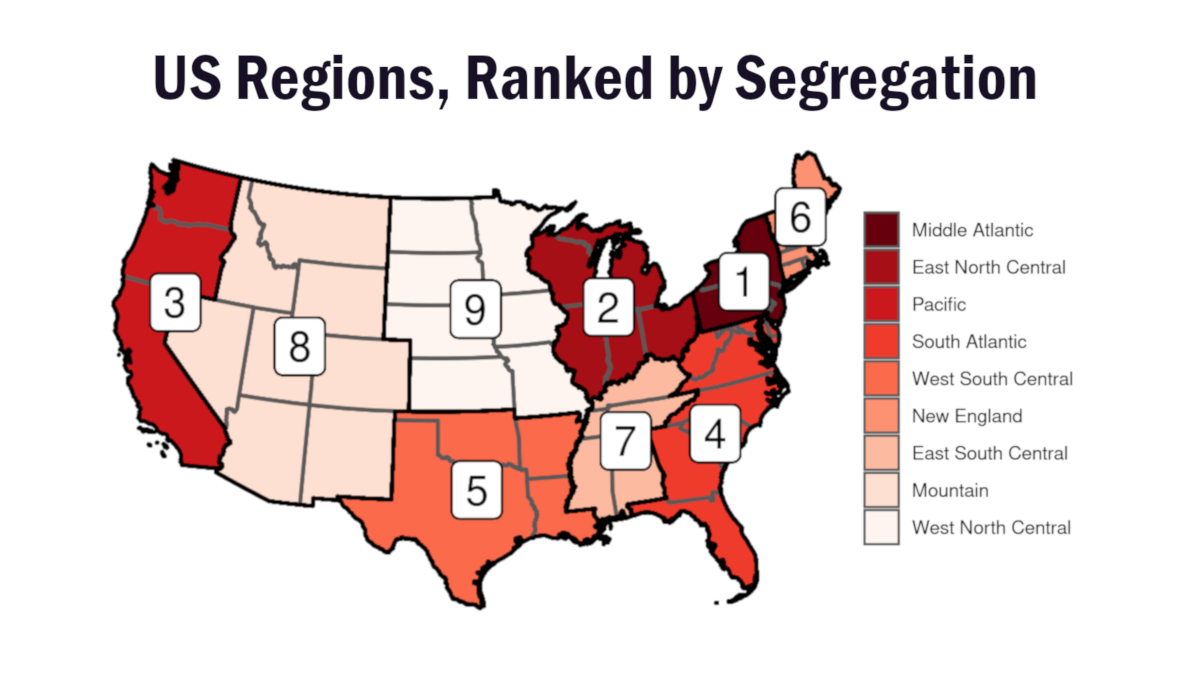
Beyond Selma: The National Context and Wisconsin’s Place
The 1960s were a transformative decade for civil rights in the United States. Landmark legislation like the Civil Rights Act of 1964 and the Voting Rights Act of 1965 dismantled legal segregation in the South. However, the fight for equality was far from over. In Northern cities, African Americans faced a different, yet equally insidious, form of discrimination: de facto segregation in housing, employment, and education, often enforced by social norms, economic disparities, and discriminatory practices rather than explicit laws. This distinction often led to the perception that the North was “better” or less racist, masking the pervasive issues that fueled movements in states like Wisconsin.
Wisconsin, a state known for its progressive political history, presented a complex landscape for civil rights activism. While it had a history of abolitionism and early civil rights legislation, significant racial disparities persisted. African Americans who migrated north in search of better opportunities often found themselves confined to segregated neighborhoods, denied jobs, and facing hostility. This environment gave rise to vibrant local movements that, while connected to the national struggle, developed their own strategies, leaders, and objectives. Understanding this context is crucial to appreciating the unique nature of the untold Wisconsin civil rights battles.
Early activism in Wisconsin often mirrored national efforts, with chapters of the National Association for the Advancement of Colored People (NAACP) and the Congress of Racial Equality (CORE) playing pivotal roles. These organizations laid the groundwork for the more confrontational and widespread protests of the mid-to-late 1960s. They engaged in legal challenges, voter registration drives, and peaceful demonstrations, gradually building momentum for a more assertive push against systemic discrimination.
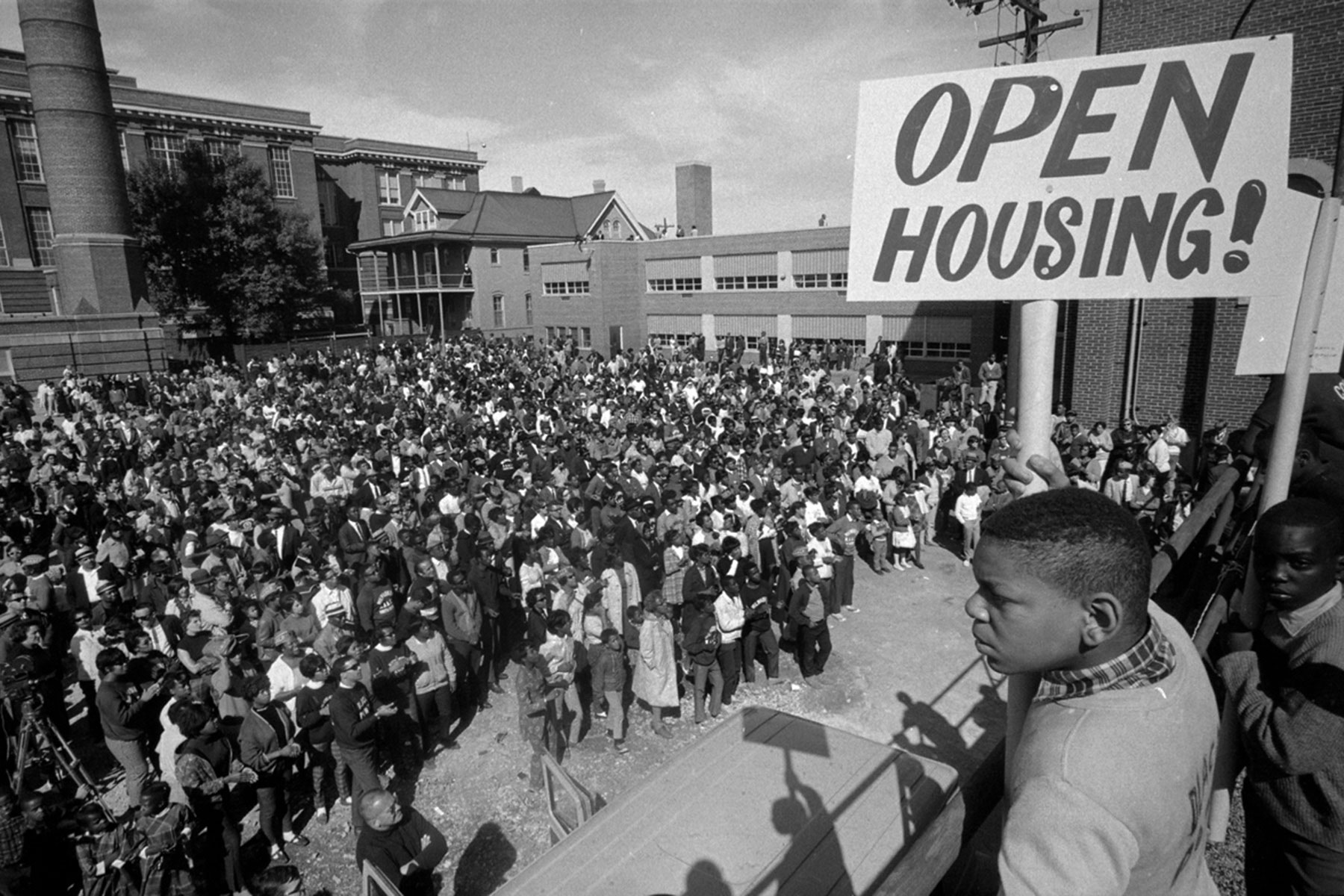
The Milwaukee Fair Housing Marches: A Northern Battleground
Milwaukee, Wisconsin’s largest city, became the epicenter of the state’s civil rights movement in the late 1960s, particularly concerning fair housing. The city exemplified the “Northern problem” of de facto segregation, where African Americans were largely confined to a crowded, dilapidated inner-city area known as the “core,” while white residents enjoyed access to better housing and opportunities in the suburbs. This blatant inequality sparked one of the longest and most intense civil rights campaigns outside the South.
The Spark: Housing Discrimination in Milwaukee
By the 1960s, Milwaukee’s African American population had grown significantly due to the Great Migration, but housing options remained severely limited. Restrictive covenants, redlining, and discriminatory real estate practices created a starkly segregated city. African American families were routinely denied access to housing in white neighborhoods, leading to overcrowded conditions, substandard living, and a cycle of poverty within the inner city. This systemic discrimination was not merely an inconvenience; it was a fundamental barrier to economic advancement and social mobility.
In 1962, Alderwoman Vel Phillips, the first African American and first woman elected to Milwaukee’s Common Council, introduced an open housing ordinance. This groundbreaking legislation aimed to prohibit discrimination in housing based on race, creed, or national origin. For six years, her proposal faced relentless opposition and was repeatedly defeated by her white colleagues on the Common Council. This legislative stalemate fueled growing frustration within the African American community and set the stage for direct action.
Father Groppi and the Commandos: A Powerful Alliance
The frustration over the Common Council’s inaction culminated in the emergence of a powerful new force: the NAACP Youth Council, led by the charismatic and controversial Father James Groppi. Groppi, a white Catholic priest from a predominantly Black parish, St. Boniface, became a fervent advocate for racial justice. He galvanized young African Americans, forming a disciplined group known as the “Commandos,” who were trained in nonviolent direct action.
The NAACP Youth Council and the Commandos understood that legislative efforts alone were insufficient. They believed that only sustained, visible protest could force the city to confront its racial injustices. Their tactics were inspired by the Southern civil rights movement but adapted to the unique challenges of a Northern urban environment. They were prepared for confrontation and understood the power of public demonstration to shame and pressure authorities.
Marching for Open Housing: The 200-Night Vigil
On August 28, 1967, the NAACP Youth Council, led by Father Groppi, launched a series of daily marches demanding the passage of a strong open housing ordinance. Their primary target was the white South Side, which was separated from the Black North Side by the 16th Street Viaduct, a symbolic bridge between two worlds. The marchers, often numbering in the hundreds and eventually thousands, crossed this viaduct nightly, facing a torrent of hostility.
These marches were not peaceful strolls; they were a gauntlet of hatred. White counter-protesters, often numbering in the tens of thousands, hurled rocks, bottles, racial slurs, and obscenities at the marchers. The police, while present, were often perceived by activists as being more protective of the white crowds than the Black marchers. The sheer duration of the protests—a remarkable 200 consecutive nights—demonstrates the incredible resilience and determination of the activists.
The Milwaukee Fair Housing Marches drew national attention. Civil rights leaders like Dick Gregory joined the protests, and even Dr. Martin Luther King Jr. visited Milwaukee in 1968, offering his support and highlighting the universality of the struggle for justice. King’s visit underscored the fact that racial discrimination was not confined to the South but was a pervasive national issue.
Legislative Triumph and Lingering Challenges
The relentless pressure of the marches, coupled with national attention and growing political will, finally broke the stalemate. On April 30, 1968, following King’s assassination and the subsequent national unrest, the Milwaukee Common Council passed a comprehensive open housing ordinance. This victory was a direct result of the tireless efforts of Vel Phillips, Father Groppi, the NAACP Youth Council, and countless other activists.
While the ordinance was a monumental achievement, it did not instantly erase decades of segregation. The fight for true integration and equity continued. The marches exposed the deep-seated racial divisions in Milwaukee and left an indelible mark on the city’s history. The legacy of the fair housing movement continues to influence discussions about urban planning, economic development, and social justice in Milwaukee today.
The Milwaukee Fair Housing Marches stand as a powerful testament to the impact of sustained direct action in the face of systemic injustice.
Madison’s Activism: Student Power and Local Demands
While Milwaukee’s struggle for fair housing dominated headlines, Madison, the state capital and home to the University of Wisconsin-Madison, also witnessed significant civil rights activism during the 1960s. Here, the movement often intertwined with student power, anti-war protests, and a focus on local ordinances and campus desegregation. The intellectual and progressive environment of UW-Madison provided fertile ground for dissent and advocacy against racial discrimination.
University of Wisconsin-Madison: A Hub of Dissent
The University of Wisconsin-Madison was a hotbed of student activism throughout the 1960s. While anti-Vietnam War protests frequently captured national attention, student groups were equally committed to addressing racial injustice on campus and within the Madison community. Black students, often a small minority, faced discrimination in housing, social life, and academic opportunities. Their experiences fueled a determined push for change.
Student organizations, including local chapters of the NAACP and the Black Student Union (BSU), organized protests against discriminatory hiring practices by the university and local businesses, as well as against landlords who refused to rent to Black students. They demanded increased minority enrollment, more Black faculty, and the creation of Black studies programs. These demands were part of a broader call for institutional accountability and a more inclusive university environment.
The Dow Chemical Protests and Racial Justice
A significant event that showcased the intersection of anti-war and civil rights activism in Madison was the Dow Chemical protests of 1967. Dow Chemical, a manufacturer of napalm used in the Vietnam War, was targeted by student protesters. While primarily focused on the war, these protests also highlighted broader issues of corporate responsibility and social justice, including racial equality. Many activists saw the fight against war and the fight against racism as interconnected struggles against oppression.
The Dow protests, though violent, drew attention to the power of student mobilization and their willingness to challenge established institutions. This energy was channeled into various civil rights initiatives, demonstrating how a diverse set of grievances could converge into a powerful movement for social change. The students in Madison understood that peace abroad could not be achieved without justice at home.
Local Ordinances and Community Organizing
Beyond campus, Madison’s civil rights activists worked to address segregation and discrimination within the city. Grassroots organizations collaborated with student groups to advocate for local anti-discrimination ordinances. They pushed for fair employment practices, equitable access to public accommodations, and an end to housing discrimination, albeit with less overt violence than seen in Milwaukee.
Madison’s efforts often focused on legal and political avenues, leveraging the city’s progressive reputation to enact change. While the scale of protests might have differed from Milwaukee, the commitment to dismantling systemic racism was equally strong. The activism in Madison helped shape a more inclusive city, demonstrating that even in seemingly progressive environments, vigilance and advocacy are essential for progress.
Smaller Cities, Bigger Impact: Unearthing Regional Struggles
While Milwaukee and Madison were prominent centers of civil rights activism, the struggle for equality was not confined to Wisconsin’s major urban hubs. In smaller industrial cities, rural communities, and among indigenous populations, distinct battles for justice were being waged, often with less fanfare but equal determination. These regional struggles form a crucial part of the untold Wisconsin civil rights narrative.
Racine and Kenosha: Industrial Cities Confront Segregation
Racine and Kenosha, industrial cities along Lake Michigan, experienced their own versions of the civil rights movement. Like Milwaukee, these cities saw an influx of African American workers seeking employment, only to encounter pervasive discrimination in housing, jobs, and education. Local NAACP chapters were at the forefront of these battles, challenging segregation in schools and advocating for fair employment practices.
In Racine, activists protested against de facto school segregation, where Black children were often assigned to inferior, predominantly Black schools. They organized boycotts and demonstrations, demanding equal educational opportunities. Similarly, in Kenosha, the fight centered on employment discrimination, with Black residents often relegated to the lowest-paying jobs or denied employment altogether in certain industries. These local struggles highlighted the widespread nature of racial prejudice across Wisconsin’s urban landscape.
Green Bay and the Native American Rights Movement
The civil rights era also saw a resurgence of activism among Native American communities in Wisconsin. While distinct from the African American civil rights movement, the struggles for tribal sovereignty, land rights, and an end to discrimination shared common ground in the broader fight for human dignity and equality. Green Bay, near the Oneida Nation of Wisconsin, provides a pertinent example.
The Oneida Nation, along with other Wisconsin tribes, fought for the recognition of treaty rights, improved living conditions, and self-determination. They challenged state and federal policies that undermined their sovereignty and cultural heritage. This movement, often overlooked in the traditional civil rights narrative, was a vital part of Wisconsin’s broader struggle for justice, demonstrating the diverse forms of oppression and resistance present in the state. The fight for civil rights in Wisconsin was a tapestry woven with many threads of justice.
The Rural Landscape: Hidden Discrimination
Even in rural Wisconsin, where African American populations were smaller, discrimination was a harsh reality. Black families living in agricultural areas or small towns often faced isolation, economic exploitation, and subtle, yet pervasive, forms of prejudice. Access to services, fair wages, and social acceptance were constant challenges.
The lack of large, organized movements in rural areas meant that acts of resistance were often individual or confined to small community networks. This “hidden discrimination” made the struggle for civil rights even more difficult, as there were fewer resources, less visibility, and a greater risk for those who dared to challenge the status quo. These experiences underscore the depth and breadth of racial injustice that permeated every corner of Wisconsin.
Key Figures and Unsung Heroes: Faces of Wisconsin’s Movement
The success of any social movement hinges on the courage and dedication of its leaders and participants. Wisconsin’s civil rights movement was no exception, boasting a roster of remarkable individuals whose tireless efforts and personal sacrifices paved the way for progress. Their stories are central to understanding the untold Wisconsin civil rights narrative.
Vel Phillips: A Pioneer in Politics and Civil Rights
Vel Phillips (1924-2018) stands as a towering figure in Wisconsin’s civil rights history. A trailblazer in every sense, she was the first African American woman to graduate from the University of Wisconsin Law School. Her political career was marked by a relentless commitment to justice. In 1956, she made history by becoming the first African American and first woman elected to Milwaukee’s Common Council.
For 11 years, Phillips tirelessly fought for an open housing ordinance, introducing the legislation repeatedly despite constant defeat. Her persistence in the face of overwhelming opposition showcased her unwavering resolve. Beyond housing, she advocated for fair employment, educational equity, and an end to police brutality. After her tenure on the Common Council, Phillips continued to break barriers, becoming the first African American judge in Wisconsin in 1971 and later the first African American Secretary of State for Wisconsin in 1978. Her life was a testament to the power of perseverance and a beacon of hope for future generations.
Father James Groppi: The “Rebel Priest”
Father James Groppi (1930-1985) was a pivotal, and often controversial, leader of the Milwaukee Fair Housing Marches. An outspoken white Catholic priest, Groppi became deeply committed to the cause of racial justice, particularly after witnessing the systemic poverty and discrimination faced by his parishioners at St. Boniface. He famously stated, “The church is not a building; it’s the people. And if the people are suffering, then the church must suffer with them.”
Groppi’s leadership of the NAACP Youth Council and his confrontational tactics earned him the moniker “the rebel priest.” He led thousands in marches, faced down hostile crowds, and was arrested multiple times. His willingness to challenge both the white establishment and, at times, more moderate civil rights leaders, made him a powerful, if polarizing, figure. Groppi’s unwavering commitment to nonviolent direct action, even in the face of severe threats, galvanized the movement and brought national attention to Milwaukee’s struggle. His legacy underscores the critical role of allies and the power of moral conviction in the fight for justice.
The NAACP Youth Council and Other Grassroots Organizers
While Phillips and Groppi were prominent leaders, the true engine of the Wisconsin civil rights movement was the collective power of grassroots activists. The NAACP Youth Council, composed primarily of young African American students, demonstrated extraordinary bravery and dedication. These young men and women risked their safety, faced violence, and endured harassment night after night, driven by a profound desire for a better future.
Beyond Milwaukee, countless local leaders and community organizers worked tirelessly in their own cities and towns. These unsung heroes organized meetings, distributed leaflets, lobbied local officials, and educated their communities. They were teachers, factory workers, homemakers, and students who dedicated their evenings and weekends to the cause. Their names may not be widely known, but their collective efforts formed the backbone of the movement, proving that every voice and every action contributed to the unfolding narrative of Wisconsin civil rights.
The Lasting Legacy: Wisconsin’s Civil Rights Movement Today
The civil rights movement of the 1960s profoundly reshaped Wisconsin, even as many of its stories remain untold Wisconsin civil rights narratives. The legislative victories, though significant, did not erase the deep-seated issues of racial inequality overnight. Instead, they laid the groundwork for ongoing struggles and continue to inform contemporary discussions about justice and equity in the state.
The passage of open housing ordinances in Milwaukee and other cities, for example, was a crucial step, but residential segregation persists in many parts of Wisconsin. Decades of redlining and discriminatory practices created wealth gaps and educational disparities that continue to affect communities today. The fight for fair housing evolved into battles against predatory lending, discriminatory zoning, and the need for affordable housing options across all neighborhoods.
Similarly, educational equity remains a pressing concern. While de jure segregation ended, de facto segregation in schools persists, often linked to housing patterns. Activists continue to advocate for equitable funding, diverse teaching staffs, and culturally relevant curricula to ensure all students, regardless of their background, have access to quality education. The legacy of student activism from the 1960s continues to inspire current generations to challenge systemic inequalities within educational institutions.
The tactics and lessons learned from the 1960s continue to resonate. The emphasis on direct action, community organizing, and legislative advocacy remains central to modern movements for racial justice. Contemporary movements like Black Lives Matter in Wisconsin draw clear connections to the struggles of the past, highlighting the cyclical nature of racial injustice and the enduring need for activism. Protests against police brutality, demands for criminal justice reform, and calls for greater representation in all sectors of society are direct descendants of the civil rights battles fought decades ago.
Wisconsin’s civil rights history is not merely a collection of past events; it is a living legacy that continues to shape the state’s present and future. Understanding these stories, particularly the untold ones, is essential for recognizing the progress made and the work that still lies ahead in achieving a truly equitable Wisconsin.
Frequently Asked Questions (FAQ) about Wisconsin’s Civil Rights History
Q: What were the main demands of Wisconsin’s civil rights movement in the 1960s?
A: The primary demands of Wisconsin’s civil rights movement in the 1960s focused heavily on fair housing, particularly in Milwaukee, where activists fought for an open housing ordinance to end de facto residential segregation. Other key demands included ending discrimination in employment, achieving educational equity, and ensuring