
Unearthing Blood on the Tracks: Forgotten 19th-Century American Labor Events
Nineteenth-century America often conjures images of westward expansion, pioneering spirit, and industrial innovation. Yet, beneath this veneer of progress lay a stark reality for millions: grueling work, precarious wages, and the constant threat of injury or destitution. While iconic figures and grand narratives dominate historical texts, the voices and struggles of the working class, particularly those involved in early labor strikes and railroad worker uprisings, are frequently relegated to the footnotes of history. These forgotten events represent critical turning points, revealing the raw power dynamics between burgeoning capital and a desperate labor force.
This article delves into the often-overlooked and suppressed labor history of the era, bringing to light the fierce working-class struggles that shaped the nation. From the textile mills of New England to the expansive railroad networks crisscrossing the continent, workers fought for dignity, fair wages, and safer conditions. Their stories, marked by courage, solidarity, and often brutal suppression, are essential to understanding the foundations of modern American labor rights and the enduring fight for economic justice. We will explore several pivotal, yet frequently marginalized, labor events that saw “blood on the tracks” and in the factories, underscoring the profound human cost of America’s industrial ascent.

The Dawn of Discontent: Early Labor Strikes and Industrialization’s Price
The early 19th century witnessed America’s rapid transformation from an agrarian society to an industrial powerhouse. Factories emerged, drawing rural populations and immigrants into new, often harsh, working environments. Long hours, low wages, child labor, and dangerous conditions became the norm, fueling widespread discontent and sparking some of the nation’s first organized labor actions. These early strikes were foundational, laying the groundwork for future movements despite often facing overwhelming opposition.
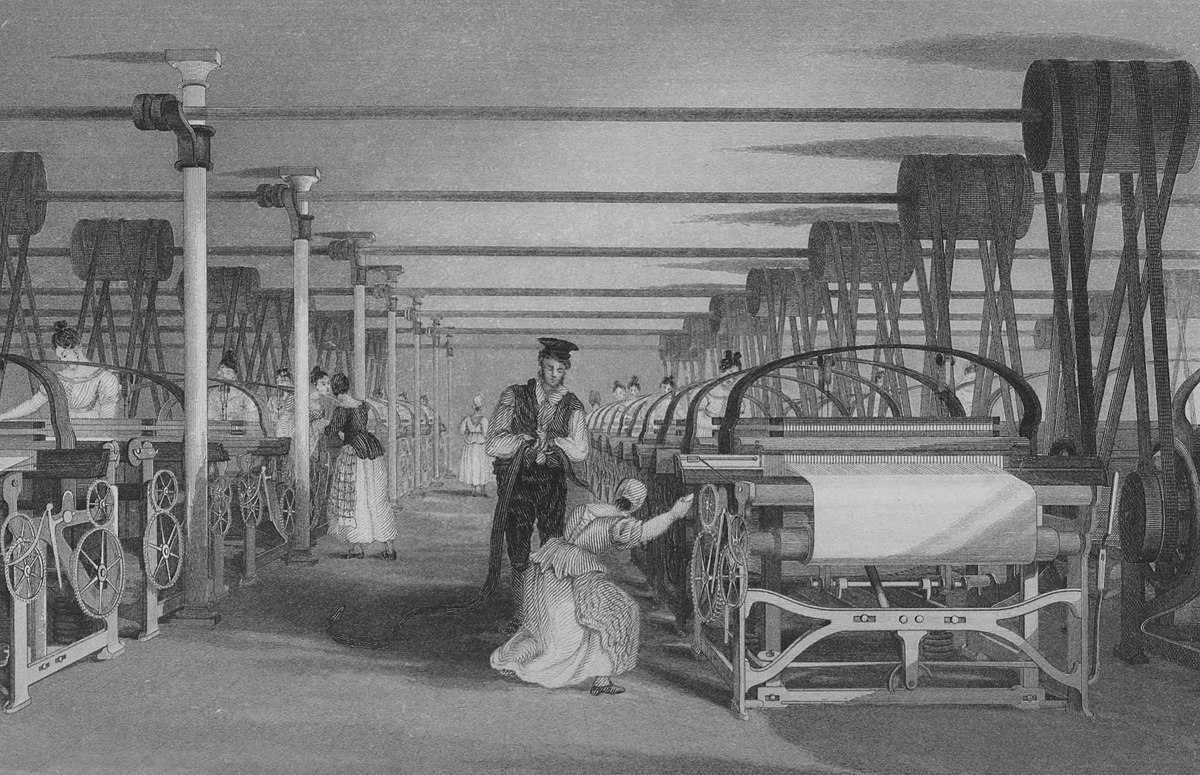
The Paterson Mill Strikes (1828 & 1835): Weavers Against the Loom
Paterson, New Jersey, a burgeoning industrial hub, became the site of some of America’s earliest large-scale labor conflicts. In 1828, a dispute over a change in dinner breaks escalated into a city-wide strike involving over 2,000 workers, including many children. The mill owners, facing a united front, eventually conceded to some demands, marking an early, albeit temporary, victory for collective action.
Just seven years later, in 1835, Paterson erupted again. The mill owners attempted to extend the workday for children by an hour, pushing their shifts to a grueling 13.5 hours. This move ignited a fierce backlash from both adult and child workers. The strike, primarily led by children and supported by their parents and other adult laborers, highlighted the extreme exploitation prevalent in early industrial settings. Although the strike ultimately failed to reverse the extended hours, it powerfully showcased the emerging awareness of workers’ rights and the desperate struggles against relentless profit motives.
The Lowell Mill Girls’ Protests (1830s-1840s): A Voice for Dignity
The Lowell textile mills in Massachusetts were initially lauded as a model industrial community, employing young women from New England farms. These “Mill Girls” enjoyed a degree of independence and education. However, as economic pressures mounted, mill owners began to cut wages and increase workloads, shattering the idyllic image.
The first major “turn-out” occurred in 1834, when hundreds of women walked off the job to protest a 15% wage cut. They formed the Lowell Factory Girls Association and organized, publishing their grievances in their own newspaper, The Voice of Industry. Another significant strike followed in 1836, protesting a raise in boardinghouse fees. While these protests often ended in the workers’ defeat, they were crucial in demonstrating the collective power of female laborers and inspiring future generations of activists. Their courageous actions provided a vital voice in the nascent labor movement, challenging the prevailing notion that women were passive workers.
The Iron Horse’s Fury: Railroad Worker Uprisings and Suppressed Labor History
The railroad industry, a symbol of American progress and expansion, was also a crucible of intense labor exploitation. Building and operating the vast networks required immense physical labor, often under perilous conditions and for meager pay. When economic downturns hit, railroad companies were quick to cut wages, igniting widespread and often violent uprisings that form a significant, yet frequently underemphasized, chapter of suppressed labor history.
The Great Railroad Strike of 1877: A Nation Ablaze
While not entirely forgotten, the sheer scale and brutality of the Great Railroad Strike of 1877 are often downplayed in mainstream narratives. Sparked by a 10% wage cut by the Baltimore & Ohio (B&O) Railroad, the strike began in Martinsburg, West Virginia, and rapidly spread across the nation, engulfing major cities like Pittsburgh, Chicago, and St. Louis. It was an unprecedented display of working-class solidarity, involving hundreds of thousands of workers from various industries.
The spontaneous nature of the strike, fueled by years of accumulated grievances, overwhelmed local authorities. President Rutherford B. Hayes deployed federal troops—the first time this had been done to quell labor unrest—to break the strike, leading to violent confrontations, property destruction, and numerous deaths. Pittsburgh, in particular, saw intense clashes, with federal troops firing on crowds and strikers retaliating by burning railroad property. This event laid bare the deep class divisions in America and demonstrated the government’s willingness to use force to protect corporate interests, cementing its place as a pivotal, yet often sanitized, moment in American labor history.
The Chinese Railroad Worker Strikes (1860s): Invisible Labor, Visible Resistance
Perhaps one of the most forgotten events in American history involves the Chinese laborers who built the western half of the Transcontinental Railroad. Recruited in vast numbers, they performed the most dangerous and arduous tasks, blasting through mountains and laying tracks across deserts, often for a fraction of the wages paid to white workers. Their contributions were immense, yet their struggles and resistance are largely omitted from popular accounts.
In June 1867, approximately 2,000 Chinese workers on the Central Pacific Railroad launched a strike in the Sierra Nevada mountains, demanding better pay ($40 per month, equal to white workers), shorter hours (a 10-hour day instead of 12-14), and an end to brutal overseer violence. The company, led by the “Big Four” magnates, responded by cutting off food and supplies to the striking camps. Isolated and facing starvation, the workers were forced to return to work after eight days, their demands unmet. This strike, though unsuccessful, was a remarkable act of collective courage in the face of extreme prejudice and exploitation, a powerful testament to their resilience and a crucial piece of suppressed labor history.
Beyond the Rails: Other Significant but Overlooked 19th-Century Labor Clashes
While railroad conflicts were dramatic, other sectors also experienced intense labor strife. These forgotten events underscore the pervasive nature of working-class struggles across various industries.
The Molly Maguires (1870s): Coal Miners’ Secret War
In the anthracite coal regions of Pennsylvania, Irish immigrant miners faced horrific working conditions, company control over their lives (through company stores and housing), and pervasive discrimination. This desperation gave rise to the Molly Maguires, a secret society that emerged from the Ancient Order of Hibernians. Frustrated by the failure of conventional unions and the brutal tactics of coal operators and their private police forces, the Mollies resorted to violence, targeting mine bosses and company property.
The coal companies, particularly the Philadelphia and Reading Coal and Iron Company, hired the Pinkerton Detective Agency to infiltrate the group. Through the testimony of an informant, over 20 alleged Molly Maguires were arrested and tried for murder and other crimes. Between 1877 and 1878, ten men were publicly hanged, a swift and brutal suppression that effectively crushed the movement and sent a chilling message to organized labor. The story of the Molly Maguires remains a dark and complex chapter of suppressed labor history, highlighting the extreme measures taken by both sides in the fight for economic control.
The Homestead Strike (1892): A Bloody Confrontation for Steel
The Homestead Strike, while more widely known than some others, is often presented as a singular event rather than a culmination of decades of working-class struggles in the steel industry. It represented a direct confrontation between the powerful industrialist Andrew Carnegie and the Amalgamated Association of Iron and Steel Workers, one of the strongest craft unions of its time. When Henry Clay Frick, Carnegie’s ruthless partner, sought to break the union and cut wages at the Homestead steel mill near Pittsburgh, the stage was set for a violent showdown.
On July 6, 1892, Frick locked out the workers and hired 300 Pinkerton guards to protect the plant. A fierce gun battle erupted between the Pinkertons and the striking workers, resulting in several deaths on both sides. The workers initially drove the Pinkertons out, but the Pennsylvania National Guard was eventually called in, crushing the strike after four months. The defeat at Homestead severely weakened the steelworkers’ union for decades, demonstrating the immense power of capital and the state in suppressing organized labor. It was a brutal reminder of the sacrifices made in the early labor strikes.
The Enduring Legacy: Why These Forgotten Struggles Matter Today
The forgotten events of the 1800s, especially the early labor strikes and railroad worker uprisings, are more than just historical footnotes. They represent fundamental battles for human dignity and economic justice that continue to resonate. These working-class struggles forged the very concept of workers’ rights, pushing for legislation on wages, hours, and safety that we often take for granted today. They exposed the brutal realities of unchecked industrial power and the often-violent methods employed to suppress collective action.
The stories of the Paterson mill workers, the Lowell Mill Girls, the Chinese railroad builders, the Molly Maguires, and the strikers of 1877 and Homestead are testaments to the courage and resilience of ordinary people striving for a better life. Understanding this suppressed labor history provides crucial context for contemporary debates about income inequality, unionization, and corporate responsibility. It reminds us that progress is rarely given; it is fought for, often at great personal cost.
To delve deeper into the transformative battles that forged the American workforce, we invite you to read our full cluster on the strikes that built modern America and explore the intricate tapestry of labor history that continues to shape our present.
Conclusion
The 19th century was a period of immense growth and profound conflict in America. While the grand narratives often focus on expansion and invention, it is in the overlooked stories of working-class struggles and early labor strikes that we find the true essence of a nation grappling with its industrial identity. From the “Blood on the Tracks” of the Great Railroad Strike to the quiet, yet powerful, resistance of Chinese laborers and the desperate fight of the Molly Maguires, these forgotten events reveal a continuous struggle for fair treatment.
These movements, though often met with violence and defeat, laid the foundational stones for the labor protections and rights we recognize today. They serve as a powerful reminder that history is not just the story of the powerful, but equally, if not more so, the story of those who struggled against overwhelming odds for a more just and equitable society. By unearthing this suppressed labor history, we honor the sacrifices made and gain a deeper appreciation for the ongoing fight for workers’ dignity.