
Unveiling the Legacy of Women Trailblazers: Stories of Pioneering Figures Who Shaped History
From politics and science to arts and social reform, women trailblazers have reshaped societies, opened doors for future generations, and redefined what leadership and achievement mean. This article explores the lives, achievements, and enduring influence of pioneering women across eras and disciplines. You’ll learn how these figures overcame barriers, created lasting institutions, and sparked movements that continue to influence policy, culture, and opportunity worldwide. The profiles and themes here offer concrete examples, historical context, and actionable lessons for leaders, educators, and anyone seeking inspiration from history.
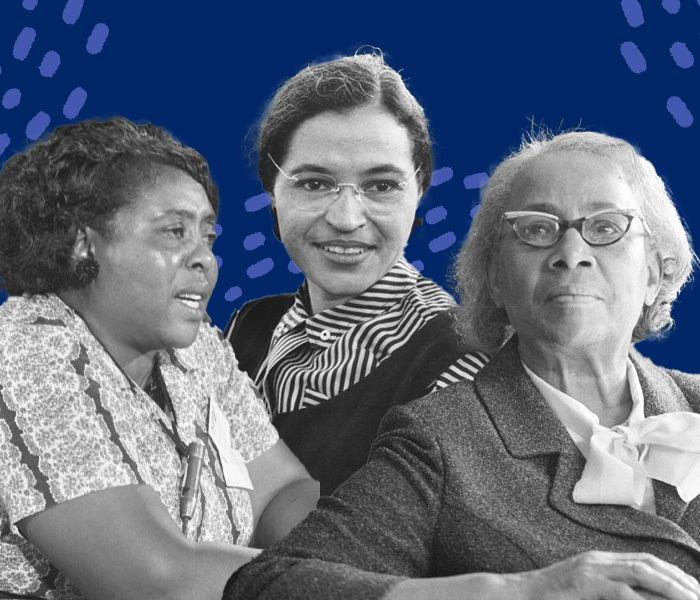
Why Women Trailblazers Matter: A Contextual Overview
Understanding the contributions of women trailblazers is essential for a complete record of human progress. For centuries, official histories often sidelined or obscured women’s roles. Recovering these stories matters not only for fairness, but for practical reasons: diverse leadership correlates with stronger institutions, and role models expand aspirations for young people. This section outlines key reasons why documenting and celebrating these legacies remains vital.
- Correcting historical omissions: Integrates women’s achievements into mainstream narratives.
- Inspiring future leaders: Provides role models across race, class, and geography.
- Informing policy and culture: Demonstrates how inclusive policies drive innovation and resilience.
- Preserving institutional memory: Ensures organizations and movements understand foundational contributions.
- First woman to win a Nobel Prize and the only person awarded Nobel Prizes in two different scientific fields (Physics, 1903; Chemistry, 1911).
- Pioneered research on radioactivity, discovered polonium and radium, and developed mobile radiography units during World War I.
- Escaped slavery and became a powerful abolitionist and advocate for women’s rights.
- Delivered the famous “Ain’t I a Woman?” speech, challenging prevailing notions about race and gender.
- Founded the Women’s Social and Political Union (WSPU), employing militant tactics to secure women’s voting rights in Britain.
- Helped catalyze suffrage gains that culminated in British women gaining the franchise in stages after World War I.
- Her refusal to give up a bus seat in Montgomery, Alabama, catalyzed the Montgomery Bus Boycott (1955–56).
- Played a vital role in organizing and sustaining grassroots civil rights actions.
- Advocated for girls’ education under the Taliban in Pakistan; survived an assassination attempt in 2012.
- Became the youngest Nobel Peace Prize laureate (2014) and co-founded the Malala Fund to expand girls’ educational opportunities worldwide.
- Harriet Tubman — Conductor of the Underground Railroad and Union spy during the American Civil War.
- Frida Kahlo — Pioneering modernist artist exploring identity, gender, and self-expression.
- Indira Gandhi — India’s first female Prime Minister who shaped postcolonial national policy.
- Wangari Maathai — Nobel laureate and environmentalist who founded the Green Belt Movement in Kenya.
- Institutional exclusion from formal education and professional networks.
- Economic marginalization and lack of funding for women-led initiatives.
- Racial, class, and religious biases compounding discrimination.
- Media misrepresentation and erasure of women’s accomplishments.
- Creating institutions: Establishing schools, research centers, unions, or NGOs to sustain change.
- Using media and storytelling: Framing narratives to win public sympathy and political support.
- Strategic civil disobedience: When legal channels were blocked, direct action created pressure for reform.
- Mentorship and networks: Passing knowledge to future generations to create durable pipelines of leadership.
- Invest in pipelines: Sponsor education, apprenticeships, and mentorships that target underrepresented groups.
- Institutionalize gains: Convert short-term wins into policies and structures that outlast individual leaders.
- Use narrative strategically: Promote stories that normalize diverse leadership and counteract stereotypes.
- Apply intersectional approaches: Design interventions that address overlapping forms of discrimination—race, class, gender, and ability.
- Measure and report progress: Deploy metrics for inclusion, promotion, and retention to hold organizations accountable.
- Include women’s histories in curricula and corporate trainings to broaden role models.
- Support women-led nonprofits with funding, pro bono services, and visibility.
- Create mentorship programs linking senior leaders with emerging women professionals.
- Advocate for policies that remove legal and economic barriers to equality (parental leave, pay transparency, childcare access).
- Celebrate milestones publicly—share stories on social media and company communications to normalize diverse leadership.
- Meta Description: Uncover the powerful legacies of women trailblazers who transformed science, politics, art, and social justice. Learn their stories, the barriers they overcame, and actionable lessons for today.
- Primary Keywords: women trailblazers, women pioneers, women who shaped history.
- Image Alt Text Suggestions:
- Marie Curie in her laboratory, early 20th century.
- Rosa Parks boarding a Montgomery bus in the 1950s.
- Malala Yousafzai delivering a speech at the United Nations.
- Wangari Maathai planting trees with community members.
- Internal Linking Suggestions: Consider linking to related posts on your site, such as articles on “Women in STEM,” “Leadership Development Programs,” or “Primary Source Teaching Resources.”
- Social Sharing Snippet:
- Tweet: “From Marie Curie to Malala: Discover stories of women trailblazers who reshaped history and what leaders can learn from them. [link] #WomenInHistory #Trailblazers”
- Schema Markup: Implement Article schema with
headline,author,datePublished,image,publisher, anddescriptionproperties.

Profiles of Pioneering Women Who Shaped History
The following profiles highlight individual trailblazers from diverse fields. Each profile summarizes major achievements, the barriers the figure overcame, and the lasting impact of their work.
Marie Curie (1867–1934) — Science and Medical Research
Key achievements:
Barriers overcome: Institutional sexism in academia, limited access to lab resources, and skepticism about women’s roles in scientific research.
Legacy and impact: Curie’s discoveries transformed medical diagnostics and cancer treatment. Her example opened the door for women in STEM and inspired the establishment of research institutions focused on radiology and nuclear physics.
Sojourner Truth (c.1797–1883) — Abolition, Women’s Rights, and Oratory
Key achievements:
Barriers overcome: Enslavement, racial discrimination, limited educational access, and the double burden of racism and sexism.
Legacy and impact: Truth’s activism illuminated the intersection of race and gender in reform movements and influenced abolitionist and suffrage strategies. She remains a central figure in intersectional movement histories.
Emmeline Pankhurst (1858–1928) — Women’s Suffrage Movement
Key achievements:
Barriers overcome: Entrenched political resistance, legal disenfranchisement, and social norms restricting women’s public participation.
Legacy and impact: Pankhurst’s campaigning strategies influenced suffrage movements internationally, demonstrating the political efficacy of organized civil action while also sparking debates about tactics and inclusivity in social movements.
Rosa Parks (1913–2005) — Civil Rights and Strategic Resistance
Key achievements:
Barriers overcome: Jim Crow laws, systemic racism, social and economic reprisals, and threats to personal safety.
Legacy and impact: Parks’s act of civil disobedience became a defining moment in the American Civil Rights Movement. She exemplified strategic resistance and the role ordinary citizens play in sparking national change.
Malala Yousafzai (1997– ) — Education Advocacy and Global Rights
Key achievements:
Barriers overcome: Extremist violence, gender-based educational restrictions, and threats to personal freedom.
Legacy and impact: Malala’s international profile has mobilized funding and awareness for girls’ education and illustrates the power of youth leadership in global advocacy.
Other Notable Trailblazers Across Fields
* Ada Lovelace — Early computer programming concepts and visionary writing about computing potential.
Common Barriers and Strategies of Success
Across contexts, women trailblazers faced similar structural and cultural obstacles. This section synthesizes those barriers and the strategies used to overcome them—useful for leaders and organizations seeking to replicate success.
Structural Barriers
* Legal restrictions on rights (voting, property, employment).
Cultural Barriers
* Gender norms restricting public roles for women.
Effective Strategies Employed by Trailblazers
1. Building coalitions: Partnering across groups to add political weight and resources.
Case Studies: How Individual Legacies Translated Into Systemic Change
The following case studies show how personal leadership generated institutional reforms and long-term cultural shifts.
Marie Curie: From Laboratory Breakthroughs to Medical Systems
Curie’s work led to practical applications—radiotherapy and mobile X-ray units—that became integrated into wartime and peacetime medical care. Her scientific credibility paved the way for women’s inclusion in research funding and academic appointments. Institutions that grew from her legacy include research laboratories, scholarships for women scientists, and national health services that adopted radiological treatments.
Wangari Maathai: Environmentalism Meets Women’s Empowerment
Maathai’s Green Belt Movement combined ecological restoration with economic empowerment for rural women. Planting trees became a platform for civic participation, environmental policy change, and community health improvements. Her model demonstrates how grassroots initiatives can influence national policy and international environmental agendas.
Rosa Parks and Civil Rights Legal Victories
Rosa Parks’s defiance intensified local activism, precipitating legal challenges that reached federal courts. The boycott’s success, and subsequent legal victories, helped dismantle segregation laws and show how local acts can create national legal precedent.
Lessons for Modern Leaders and Organizations
Contemporary leaders—both women and men—can draw practical lessons from trailblazers to foster inclusive, resilient institutions.
Practical Actions You Can Take Today
Whether you’re a policymaker, educator, business leader, or community organizer, there are concrete steps to honor these legacies and accelerate change:
Frequently Asked Questions (FAQ)
Who are considered the earliest women trailblazers?
Early trailblazers include figures like Ada Lovelace in computing, Florence Nightingale in nursing and public health reform, and Sojourner Truth and Harriet Tubman in abolition and civil rights.
How can schools teach these histories more effectively?
Integrate primary sources, biography projects, and comparative analyses across cultures. Emphasize intersectionality and connect historical achievements to present-day institutions and careers.
What role do men play in advancing women’s leadership?
Men can be allies by advocating for equitable policies, mentoring women, sponsoring promotions, and challenging discriminatory norms within organizations and communities.
Conclusion: Carrying the Torch Forward
Women trailblazers changed the world by confronting entrenched barriers and creating new pathways for others. Their stories teach practical lessons about coalition-building, institution-building, and the strategic use of narrative and action. By integrating these legacies into education, policy, and organizational practices, we not only honor the past but multiply future possibilities for leadership and innovation. Take concrete steps today: elevate women’s histories in curricula, invest in women-led initiatives, and build inclusive systems that ensure the next generation of trailblazers can thrive.
Key takeaway: Preserving and learning from the lives of pioneering women is both a moral imperative and a strategic asset—one that strengthens societies, fuels innovation, and broadens the horizon of what’s possible.
—
Editor’s Note: This article is optimized for publication with the following elements ready for your WordPress blog: