
Unveiling Cold War Domestic Spy Programs: 1950s Secrets Exposed
The mid-20th century cast a long, chilling shadow over American society. As the Cold War intensified, a palpable fear of communist infiltration gripped the nation, transforming the landscape of civil liberties and government oversight. Beneath the surface of everyday life, a vast and intricate web of domestic surveillance was being spun, driven by national security imperatives and fueled by deep-seated paranoia. This was the era when the hidden history of Cold War domestic surveillance began to unfold, with government agencies quietly monitoring citizens, stifling dissent, and redefining the boundaries of privacy. For political history readers and researchers, understanding these 1950s Red Scare FBI files and the profound impact of early government overreach is crucial. This article delves into the clandestine operations that sought to protect America from within, exploring the methods, targets, and lasting consequences of a period defined by suspicion and domestic espionage, ultimately examining how American civil liberties during the Cold War were challenged and often compromised in the name of security.
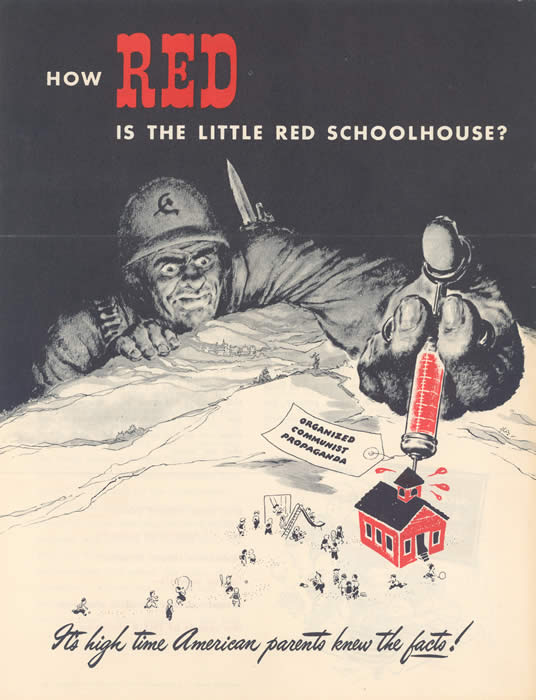
The Shadow of McCarthyism: Fueling 1950s Domestic Espionage
The 1950s in America were a paradoxical time of economic prosperity and pervasive fear. The specter of communism loomed large, both abroad with the Soviet Union’s expansion and at home with anxieties about internal subversion. This environment proved fertile ground for the growth of domestic espionage programs, fundamentally altering the relationship between the government and its citizens. The era’s defining characteristic, McCarthyism, became synonymous with an aggressive, often ruthless pursuit of suspected communists and sympathizers, casting a wide net of suspicion that ensnared countless innocent lives.

The Red Scare’s Grip: Fear and Accusation
The Second Red Scare, spearheaded by figures like Senator Joseph McCarthy, transformed fear into a weapon. Accusations of disloyalty and communist sympathies became potent tools, often wielded without concrete evidence, to discredit political opponents, silence critics, and enforce ideological conformity. Organizations like the House Un-American Activities Committee (HUAC) launched highly publicized investigations, turning hearings into public spectacles that ruined careers and fostered a climate of intense public paranoia. This widespread anxiety provided the perfect justification for expanding government surveillance. The fear of a fifth column operating within American borders legitimized the unprecedented invasion of privacy.
J. Edgar Hoover and the FBI’s Expanding Mandate
At the heart of this burgeoning surveillance state was J. Edgar Hoover, the enigmatic and powerful director of the Federal Bureau of Investigation (FBI). Hoover, a staunch anti-communist, viewed the internal threat as paramount and tirelessly worked to expand the FBI’s jurisdiction and capabilities. Under his leadership, the FBI transformed from a law enforcement agency into a formidable intelligence apparatus, driven by a personal crusade against perceived subversives. The Bureau collected vast amounts of intelligence on American citizens, often bypassing constitutional protections in its relentless pursuit of ‘enemies of the state.’ This era marked a significant turning point, cementing the FBI’s role as a primary actor in early government overreach and shaping the hidden history of Cold War domestic surveillance.
The Mechanics of Monitoring: How Domestic Surveillance Operated
The Cold War-era domestic spy programs were sophisticated for their time, employing a range of intrusive techniques designed to expose and neutralize perceived threats. These methods, often conducted in secrecy, formed the backbone of the 1950s Red Scare FBI files, creating a detailed, albeit often biased, record of political activity and personal lives. Understanding these mechanics is essential to grasping the true scope of domestic espionage during this period.
Wiretaps, Informants, and Mail Interception
The FBI utilized an array of surveillance tactics to penetrate various segments of American society. Wiretapping became a ubiquitous tool, with phone lines of suspected individuals, organizations, and even political figures routinely tapped without judicial oversight. Meticulous logs of conversations were kept, often interpreted through the lens of suspicion. Beyond electronic eavesdropping, a vast network of paid informants infiltrated political groups, labor unions, and civil rights organizations, reporting back on meetings, memberships, and ideological leanings. Mail interception, though legally dubious, was also practiced, allowing agents to scrutinize private correspondence for any hint of subversive activity. These methods created a pervasive climate of suspicion, forcing individuals to self-censor and fostering deep mistrust.
Loyalty Programs and Blacklisting: Controlling Dissent
Beyond active surveillance, the government implemented widespread loyalty programs designed to purge suspected communists from federal employment and other sensitive positions. Executive Order 9835, issued in 1947, established “loyalty review boards” to investigate federal employees, requiring them to prove their loyalty. Similar programs extended to state governments, educational institutions, and even private industries. The mere accusation of disloyalty, often based on circumstantial evidence or association, could lead to job loss and social ostracization. This era also saw the rise of blacklisting, particularly in Hollywood and the entertainment industry, where individuals suspected of communist sympathies were systematically denied employment. These programs were a clear manifestation of early government overreach, demonstrating how the state could exert immense pressure to control political thought and effectively stifle dissent, eroding American civil liberties during the Cold War.
Declassified Files and the Hidden History of Cold War Domestic Surveillance
Decades after the height of the Red Scare, the slow trickle of declassified government documents has begun to illuminate the full extent of the hidden history of Cold War domestic surveillance. These once-secret 1950s Red Scare FBI files offer a sobering glimpse into the inner workings of a state apparatus deeply committed to monitoring its own citizens, often with little regard for constitutional safeguards.
Peeking Behind the Veil: What the Archives Reveal
The declassification of millions of pages of FBI, CIA, and other agency documents has provided invaluable insights for researchers. These archives reveal that surveillance was not limited to genuine threats but extended to a vast array of political dissidents, civil rights leaders, academics, artists, and even ordinary citizens expressing unpopular views. For example, files detail the extensive monitoring of figures like Martin Luther King Jr. and numerous anti-war activists, long before COINTELPRO became public knowledge. They expose the sheer scale of the operations, indicating that the FBI alone maintained files on hundreds of thousands of Americans. These documents underscore the pervasive nature of state scrutiny, showing how individuals were categorized, tracked, and often targeted based on their beliefs or associations.
Early Government Overreach: A Precedent for Future Surveillance
The domestic surveillance programs of the 1950s were not isolated incidents but rather established precedents for future government actions. The techniques, justifications, and institutional structures developed during this era laid the groundwork for more formalized and controversial programs, such as the later COINTELPRO (Counterintelligence Program) of the 1960s and 70s. The argument that national security supersedes individual rights, frequently invoked during the Cold War, became a powerful and recurring theme in debates over government power. This period starkly illustrates early government overreach, demonstrating how the expansion of state power in times of perceived crisis can lead to enduring infringements on fundamental freedoms. Understanding these historical roots is crucial for analyzing contemporary surveillance debates and safeguarding American civil liberties.
American Civil Liberties Under Siege: The Cost of Cold War Paranoia
The extensive domestic spy programs of the 1950s exacted a heavy toll on American civil liberties during the Cold War. The era’s pervasive paranoia and the government’s aggressive surveillance tactics fundamentally challenged core constitutional rights, leading to a chilling effect on free speech, association, and privacy. The repercussions of these actions resonated far beyond the immediate targets, shaping public trust and legal frameworks for decades.
Eroding Fundamental Rights: Free Speech and Privacy
The very presence of government surveillance, whether through wiretaps, informants, or mail interception, created an environment where citizens felt compelled to self-censor. The fear of being labeled a “communist sympathizer” or “subversive” stifled open political discourse and discouraged participation in advocacy groups. This chilling effect directly undermined the First Amendment’s protections of free speech and assembly. Similarly, the widespread use of intrusive surveillance techniques without judicial oversight constituted a profound violation of privacy rights, fundamentally altering the expectation of privacy in one’s communications and associations. The government’s actions effectively prioritized perceived national security over individual freedoms, creating a dangerous imbalance that eroded the bedrock of democratic principles.
Legacies of Mistrust: Impact on Society and Governance
The revelations from 1950s Red Scare FBI files and other declassified documents exposed the extent of early government overreach, leading to a significant erosion of public trust in government institutions. The knowledge that the FBI and other agencies were routinely monitoring citizens, often without legitimate cause, fostered a deep-seated skepticism about the motivations and methods of those in power. This legacy of mistrust continues to influence contemporary debates about surveillance, privacy, and government accountability. The Cold War era served as a stark lesson in the delicate balance between security and liberty, prompting ongoing efforts to establish clearer legal boundaries and oversight mechanisms for intelligence agencies. The hidden history of Cold War domestic surveillance remains a critical case study in the perennial tension between state power and individual rights.
Conclusion: A Sobering Reflection on Domestic Espionage
The 1950s stand as a pivotal and often unsettling chapter in American history, characterized by the profound impact of Cold War domestic spy programs. Driven by the intense fear of communism and the persuasive influence of figures like J. Edgar Hoover, the United States government embarked on an unprecedented campaign of domestic espionage, monitoring its citizens through wiretaps, informants, and loyalty programs. The hidden history of Cold War domestic surveillance, meticulously detailed in the 1950s Red Scare FBI files, reveals a period of significant early government overreach that severely tested American civil liberties.
The revelations from declassified documents underscore the chilling effect these programs had on free speech, privacy, and the fundamental right to dissent. They serve as a powerful reminder of how easily national security imperatives can be invoked to justify actions that undermine the very freedoms they claim to protect. Understanding this complex and often uncomfortable past is essential for safeguarding democratic values in the present and future. It compels us to critically examine the balance between security and liberty, ensuring that the lessons learned from this era of suspicion and surveillance are never forgotten.
—
Explore Further: Dive into the declassified files in our full Cold War archive to explore firsthand the documents, reports, and personal stories that illuminate this critical period in American history. Discover the intricate details of how the nation grappled with internal threats and the enduring legacy of these clandestine operations.