
Wisconsin’s Civil Rights Marches: Unveiling Untold Stories from the 1960s
When we envision the American Civil Rights Movement, images of Selma, Montgomery, and Birmingham often spring to mind—powerful narratives from the Deep South. However, the struggle for racial equality was a nationwide phenomenon, with significant battles fought and won in unexpected corners. One such battleground was Wisconsin, a state often overlooked in the broader historical narrative. In the 1960s, Wisconsin was far from immune to the racial tensions and injustices that plagued the nation, sparking a robust and often militant civil rights movement within its borders. While headlines frequently focused on Southern states, the Badger State witnessed its own pivotal marches, protests, and legislative battles that profoundly shaped its social landscape.
This comprehensive article delves into the heart of Wisconsin’s Civil Rights Movement, illuminating the courageous activists, the persistent challenges, and the lasting legacies of a period that redefined justice and equality in the state. We will uncover the untold Wisconsin civil rights stories, moving beyond the familiar narratives to explore the specific struggles for fair housing, school desegregation, and economic opportunity. From the vibrant streets of Milwaukee to the academic halls of Madison and the smaller communities across Wisconsin, ordinary citizens rose to extraordinary heights, demanding an end to systemic discrimination. Their unwavering commitment to justice, often met with fierce resistance, carved a path toward a more equitable future. Join us as we explore these vital, yet often unsung, chapters of American history.
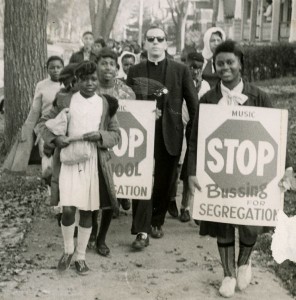
The Northern Front: Understanding Wisconsin’s Racial Landscape in the 1960s
The perception that racial discrimination was solely a Southern issue is a historical fallacy. In the 1960s, Wisconsin, like many Northern states, grappled with its own insidious forms of segregation and prejudice. While Jim Crow laws were not explicitly codified as they were in the South, de facto segregation in housing, employment, and education was rampant, creating a deeply divided society. African Americans migrating north in search of better opportunities often found themselves confined to overcrowded, under-resourced neighborhoods, facing systemic barriers to upward mobility.
Milwaukee, the state’s largest city, epitomized these challenges. A significant influx of African Americans from the South, particularly during and after World War II, led to rapid demographic shifts. However, discriminatory practices, including redlining by banks and real estate agents, restricted Black families to specific areas, primarily the city’s North Side. This created a segregated urban core where residents faced substandard housing, limited access to quality education, and high unemployment rates. The struggle for basic human rights in Wisconsin was thus not about challenging explicit legal codes, but rather about dismantling entrenched social and economic structures that perpetuated inequality.
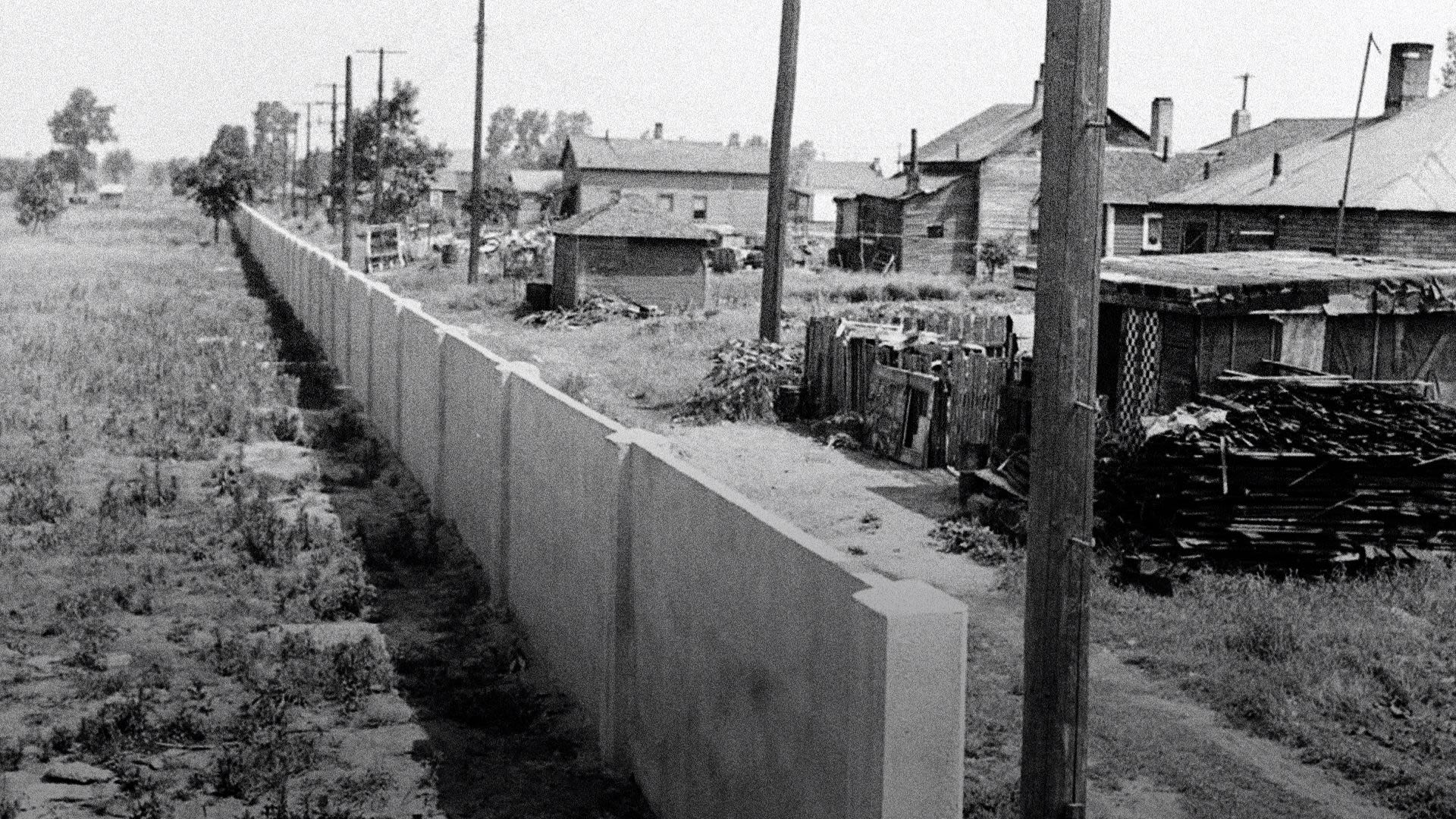
De Facto Segregation: Housing, Employment, and Education
The most glaring manifestation of racial injustice in Wisconsin was undoubtedly housing discrimination. African American families, regardless of their income or creditworthiness, were routinely denied the opportunity to rent or purchase homes in white neighborhoods. This practice, often enforced through restrictive covenants and the intimidation of white residents, kept Black communities isolated and concentrated. The term “open housing” became a rallying cry, symbolizing the fundamental right to live wherever one could afford.
Beyond housing, employment discrimination was widespread. Black workers often faced barriers to entry in skilled trades and white-collar professions, relegated to lower-paying, less secure jobs. Even when qualified, they encountered resistance from unions and employers unwilling to integrate their workforces. In education, while schools were technically desegregated by law, residential segregation led to de facto segregated schools, especially in urban centers like Milwaukee. These schools often received fewer resources and provided a lower quality of education, perpetuating a cycle of disadvantage. These systemic issues fueled the growing unrest and galvanized activists to demand change.
Milwaukee’s Fierce Fight for Fair Housing: The Untold Marches of Father Groppi and the NAACP Youth Council
The heart of Wisconsin’s Civil Rights Movement beat strongest in Milwaukee, particularly through the tireless efforts of Father James Groppi and the NAACP Youth Council. Their campaign for fair housing stands as one of the longest and most intense struggles outside the South, often overshadowed by national narratives but no less significant in its impact. For 200 consecutive nights, from August 28, 1967, to March 1968, thousands marched across the 16th Street Viaduct, a symbolic bridge separating Milwaukee’s predominantly Black North Side from its white South Side, demanding open housing legislation.
These marches were not peaceful strolls; they were met with ferocious resistance, racial slurs, thrown objects, and outright violence from counter-protesters. Yet, Father Groppi, a white Catholic priest, and the predominantly Black Youth Council, led by dynamic young activists like Vel Phillips and Frank James, persisted. Their courage in the face of such hostility drew national attention and exposed the deep-seated racism prevalent in a Northern city. The campaign highlighted the stark reality that racial prejudice was not confined to any geographical region but was a pervasive national challenge.
Father James Groppi: A White Priest’s Unwavering Commitment
Father James Groppi became an iconic figure in Milwaukee’s Civil Rights Movement. Born and raised in Milwaukee, Groppi was a passionate advocate for social justice, integrating his faith with radical activism. As an advisor to the NAACP Youth Council, he not only supported but actively participated in the front lines of every protest, enduring arrests, threats, and public condemnation. His presence, often at the head of the marches, provided both moral leadership and a visible challenge to the racial status quo, though it also drew the ire of many white residents and some church officials.
Groppi’s ability to connect with and empower the youth was crucial. He understood that the energy and idealism of young people were vital for sustained activism. His commitment transcended racial lines, making him a bridge between communities and a powerful symbol of interracial solidarity in the struggle for civil rights. His unwavering dedication to the cause, despite immense personal sacrifice, remains an inspiring, though often untold, chapter in Wisconsin’s fight for justice.
The NAACP Youth Council: Young Voices for Change
The NAACP Youth Council, comprised largely of high school students and young adults, formed the backbone of the Milwaukee fair housing marches. These young activists, many of whom were teenagers, demonstrated incredible bravery and resilience. They organized, strategized, and marched day after day, facing down angry mobs, police brutality, and the exhaustion of a prolonged campaign. Their direct action tactics, including sit-ins, boycotts, and the continuous marches, put immense pressure on city officials and legislators.
Key figures within the Youth Council, though often unsung, played pivotal roles. For example, Mrs. Ardie Halyard, a founder of the Columbia Savings and Loan Association (one of the few Black-owned banks), provided vital financial and community support. The determination of these young people, who risked their safety and futures for the promise of equality, underscores the grassroots power of the Civil Rights Movement in Wisconsin. Their story is a testament to the fact that significant social change often begins with the bold actions of those deemed too young or too inexperienced.
The 16th Street Viaduct: A Bridge of Segregation and Hope
The 16th Street Viaduct was more than just a physical bridge; it was a potent symbol of Milwaukee’s racial divide. For many Black residents, crossing the viaduct into the South Side meant encountering hostility, discrimination, and the tacit understanding that they were not welcome. The decision by civil rights activists to repeatedly march across this bridge was a deliberate act of defiance, directly confronting the geographical and social boundaries of segregation. It forced white residents on the South Side to confront the demands for equality directly on their doorsteps.
The resistance encountered on the South Side was fierce, often violent, and deeply unsettling. Yet, each step across the viaduct was a declaration of intent, a refusal to accept the status quo. The marches transformed the viaduct into a site of struggle, sacrifice, and ultimately, a pathway toward change. The image of hundreds of determined marchers crossing that bridge, night after night, remains one of the most powerful and enduring symbols of Wisconsin’s Civil Rights Movement.
Beyond Milwaukee: Statewide Struggles and Untold Civil Rights Efforts
While Milwaukee’s open housing campaign garnered the most attention, the push for civil rights in Wisconsin was a statewide phenomenon. Activists in other cities and rural areas also fought against discrimination, often facing unique challenges and receiving less media coverage. These untold Wisconsin civil rights stories reveal a broader tapestry of activism, demonstrating that the fight for equality was deeply embedded in communities across the state.
Madison, the state capital and home to the University of Wisconsin, saw significant student activism. While often focused on national issues like the Vietnam War, student groups also addressed local racial inequalities, protesting discriminatory practices on campus and within the city. Smaller communities, too, had their own battles, from challenging segregated public accommodations to advocating for fair employment practices. These localized efforts, though less publicized, were crucial in building momentum for broader change and ensuring that the demand for civil rights resonated throughout Wisconsin.
Madison’s Student Activism: UW-Madison and Local Equality
The University of Wisconsin-Madison, a hub of intellectual and political ferment, became a significant site for civil rights activism. Students, inspired by national movements and local injustices, organized protests against racial discrimination in university housing, fraternities, and local businesses. They challenged the university’s slow pace in recruiting Black students and faculty, and demanded a more inclusive campus environment.
One notable instance involved protests against segregated barbershops and restaurants in the city, forcing businesses to confront their discriminatory policies. Student groups, often working in conjunction with local NAACP chapters and other community organizations, used sit-ins, boycotts, and educational campaigns to pressure for change. While the scale might have been smaller than Milwaukee’s dramatic marches, Madison’s student activism played a vital role in raising awareness, shaping public opinion, and contributing to the statewide push for equality. Their efforts highlight the diverse forms and locations of civil rights engagement in Wisconsin.
Rural and Smaller Town Activism: Quiet Battles, Lasting Impact
The narrative of civil rights often centers on urban struggles, but many smaller Wisconsin towns also faced racial issues. Though less visible, activism in these areas was equally important. For example, communities with smaller Black populations still grappled with issues of social exclusion, employment discrimination, and subtle forms of prejudice. Local NAACP branches and church groups often led these efforts, advocating for fair treatment and challenging discriminatory practices in schools and workplaces.
These smaller-scale efforts were crucial in ensuring that the message of civil rights reached every corner of the state. They demonstrated that racial injustice was not confined to large cities but was a pervasive issue requiring a localized response. The courage of individuals and small groups in these areas, often operating without the media spotlight, played a significant role in fostering community dialogue and pushing for incremental but meaningful change. Their stories are a powerful reminder of the widespread nature of the civil rights struggle.
Key Legislative Victories and Their Impact on Wisconsin’s Civil Rights
The tireless efforts of activists across Wisconsin eventually led to significant legislative victories. The most impactful was the passage of the state’s Open Housing Law in 1968. This landmark legislation, enacted after months of intense pressure from the Milwaukee marches and statewide advocacy, prohibited discrimination in the sale or rental of housing based on race, religion, color, national origin, or ancestry. While its implementation faced challenges, it represented a crucial legal framework for combating systemic discrimination.
Beyond housing, other legislative actions and court decisions aimed to address discrimination in employment and education. The Wisconsin Fair Employment Act, though predating the 1960s, was strengthened and more rigorously enforced due to increased public awareness and pressure from civil rights groups. These legal advancements, hard-won through persistent activism, laid the groundwork for a more equitable society, even as the struggle for full implementation continued for decades.
The 1968 Open Housing Law: A Hard-Won Victory
The passage of the 1968 Open Housing Law was the culmination of years of advocacy, culminating in the dramatic 200-night marches in Milwaukee. This legislation was a direct response to the powerful grassroots movement led by Father Groppi and the NAACP Youth Council. It made it illegal to refuse to sell, rent, or lease housing to anyone based on their race or other protected characteristics. The law was initially met with resistance and attempts to weaken it, but its passage marked a significant turning point.
While the law did not immediately dismantle all forms of housing segregation, it provided a legal recourse for victims of discrimination and signaled a commitment by the state to address racial inequality. It served as a powerful tool for future advocacy and enforcement, demonstrating that sustained protest and public pressure could indeed translate into meaningful legislative change. The victory was a testament to the persistence of the untold Wisconsin civil rights activists who refused to give up their fight.
Ongoing Challenges and the Legacy of the Movement
Despite legislative victories, the legacy of the Civil Rights Movement in Wisconsin is complex. While de jure segregation was outlawed, de facto segregation, particularly in housing and education, persisted and continues to be a challenge in many areas. The economic disparities that fueled much of the 1960s activism also remain significant, highlighting the need for ongoing efforts towards equity.
However, the movement’s legacy is also one of profound inspiration. It empowered communities, fostered interracial solidarity, and laid the foundation for future generations of activists. The courage of Father Groppi, the NAACP Youth Council, and countless others across the state ensured that Wisconsin confronted its own racial biases, contributing to a national dialogue on justice and equality. Their stories remind us that progress is often slow, hard-won, and requires continuous vigilance.
Untold Stories: Individual Courage and Community Resilience
Beyond the prominent figures and major legislative battles, the Wisconsin Civil Rights Movement was shaped by countless individual acts of courage and the unwavering resilience of communities. These untold Wisconsin civil rights stories often involve ordinary people who, in their daily lives, chose to challenge discrimination, support their neighbors, and demand respect. From teachers advocating for inclusive curricula to workers fighting for fair wages, their collective efforts formed the bedrock of the movement.
These stories highlight the deep personal sacrifices made by activists, who often faced threats, job loss, and social ostracization. They also reveal the power of community organizing, where churches, neighborhood associations, and grassroots groups provided crucial support networks, fostering a sense of solidarity and collective purpose. Understanding these individual narratives enriches our appreciation for the broad-based nature of the struggle for justice in Wisconsin.
Voices from the Front Lines: Personal Accounts of Activism
Many individuals, whose names may not appear in history books, played vital roles. Consider the story of Mrs. Vel Phillips, the first African American woman to graduate from the University of Wisconsin Law School and later the first African American and first woman elected to the Milwaukee Common Council. She was a fierce advocate for fair housing long before the major marches, introducing legislation that was repeatedly defeated but laid the groundwork for eventual success. Her persistence in the political arena mirrored the direct action on the streets.
Another example could be the unnamed parents who bravely sent their children to newly desegregated schools, enduring harassment and uncertainty for the sake of their children’s future. Or the local church leaders who opened their doors as meeting places and sanctuaries for activists, providing spiritual and logistical support. These personal accounts, often passed down through families and oral histories, offer a more intimate and human perspective on the vast and complex movement. They remind us that history is made not just by leaders, but by every individual who chooses to stand up for what is right.
The Role of Media and Public Perception
The media played a complex role in shaping public perception of Wisconsin’s Civil Rights Movement. While some local and national outlets provided crucial coverage, exposing the injustices and the brutality faced by marchers, others often sensationalized events or framed activists in a negative light. The portrayal of Father Groppi, for instance, varied widely, from a radical rabble-rouser to a courageous man of God.
This media coverage was vital in raising awareness, both within Wisconsin and nationally, but it also contributed to the polarization of public opinion. For many white residents, the images of protests and confrontations reinforced fears and prejudices, leading to increased resistance. For African American communities and their allies, media attention validated their struggles and provided a platform to amplify their demands. Understanding how these events were reported helps us grasp the challenges faced by activists in shaping a narrative that resonated with a diverse public.
Conclusion: The Enduring Relevance of Wisconsin’s Civil Rights Legacy
The Civil Rights Movement in Wisconsin during the 1960s was a profound and transformative period, marked by extraordinary courage, unwavering determination, and significant legislative progress. From the iconic fair housing marches in Milwaukee led by Father Groppi and the NAACP Youth Council to the fervent student activism in Madison and the quiet battles in smaller towns, the state’s commitment to justice was tested and ultimately strengthened. These untold Wisconsin civil rights stories reveal a state grappling with its own forms of systemic discrimination, proving that the struggle for equality was truly a national endeavor.
The legacy of these marches and movements extends far beyond the 1960s. While legal segregation was dismantled, the fight for true equity and an end to de facto discrimination continues. Understanding this history is crucial for appreciating the depth of the challenges faced and the resilience of those who fought for change. It reminds us that progress is not inevitable; it is the result of persistent effort, moral courage, and a collective commitment to justice. As we reflect on these powerful narratives, we are called to recognize the ongoing work required to build a society where liberty and justice are truly for all.
Explore further: Dive deeper into the rich history of civil rights in your community. Engage with local historical societies, libraries, and museums to uncover more untold stories that shaped Wisconsin and the nation.
Frequently Asked Questions (FAQ)
- What was the primary focus of Wisconsin’s Civil Rights Movement in the 1960s?
- The primary focus in Wisconsin, particularly in Milwaukee, was the fight for fair housing, aiming to end de facto segregation that restricted African Americans to specific neighborhoods. Other key issues included school desegregation and employment discrimination.
- Who was Father James Groppi and what was his role?
- Father James Groppi was a white Catholic priest and a prominent leader of Milwaukee’s Civil Rights Movement. He served as an advisor to the NAACP Youth Council and led the 200 consecutive nights of fair housing marches across the 16th Street Viaduct, becoming a symbol of interracial activism.
- What was the significance of the 16th Street Viaduct in Milwaukee?
- The 16th Street Viaduct was a symbolic bridge separating Milwaukee’s predominantly Black North Side from its white South Side. Marching across it repeatedly was a direct challenge to the city’s racial segregation and a powerful visual statement of the demand for open housing.
- What legislative victory resulted from the Wisconsin Civil Rights Movement?
- A major victory was the passage of the 1968 Wisconsin Open Housing Law, which prohibited discrimination in the sale or rental of housing based on race, religion, color, national origin, or ancestry. This law was a direct result of