
Here is the fully polished, publication-ready version of your article. All placeholder text has been removed, and the language has been refined for clarity, professionalism, and reader engagement while preserving your original structure and Markdown formatting.
—
Title: Empowering Narratives: Women Driving Change in Science, Technology, and Social Justice
Meta Description: Explore how women trailblazers in history reshaped science, technology, and social justice. Learn about influential women in history, strategies for women empowerment, and how you can support initiatives promoting women’s achievements.
Empowering Narratives: Women Driving Change in Science, Technology, and Social Justice
From laboratories to community halls, from coding bootcamps to courts, women have been at the forefront of transformative change. Yet many stories of their contributions remain underrecognized. This article illuminates the intersecting legacies of women in history—trailblazers who forged paths in science, technology, and social justice—and examines how their leadership models continue to shape our present and future. Students, educators, and history enthusiasts will discover concrete examples of influential women in history, learn how women empowerment has evolved into structural action, and gain practical ways to support initiatives that celebrate and increase women’s participation across disciplines.
Read on to uncover the narratives of unsung pioneers, the systems that both constrain and enable progress, and actionable steps you can take to amplify women’s achievements. Whether you are studying history, teaching the next generation, or advocating for policy change, this article connects powerful stories to practical strategies that advance equity in STEM and society at large.
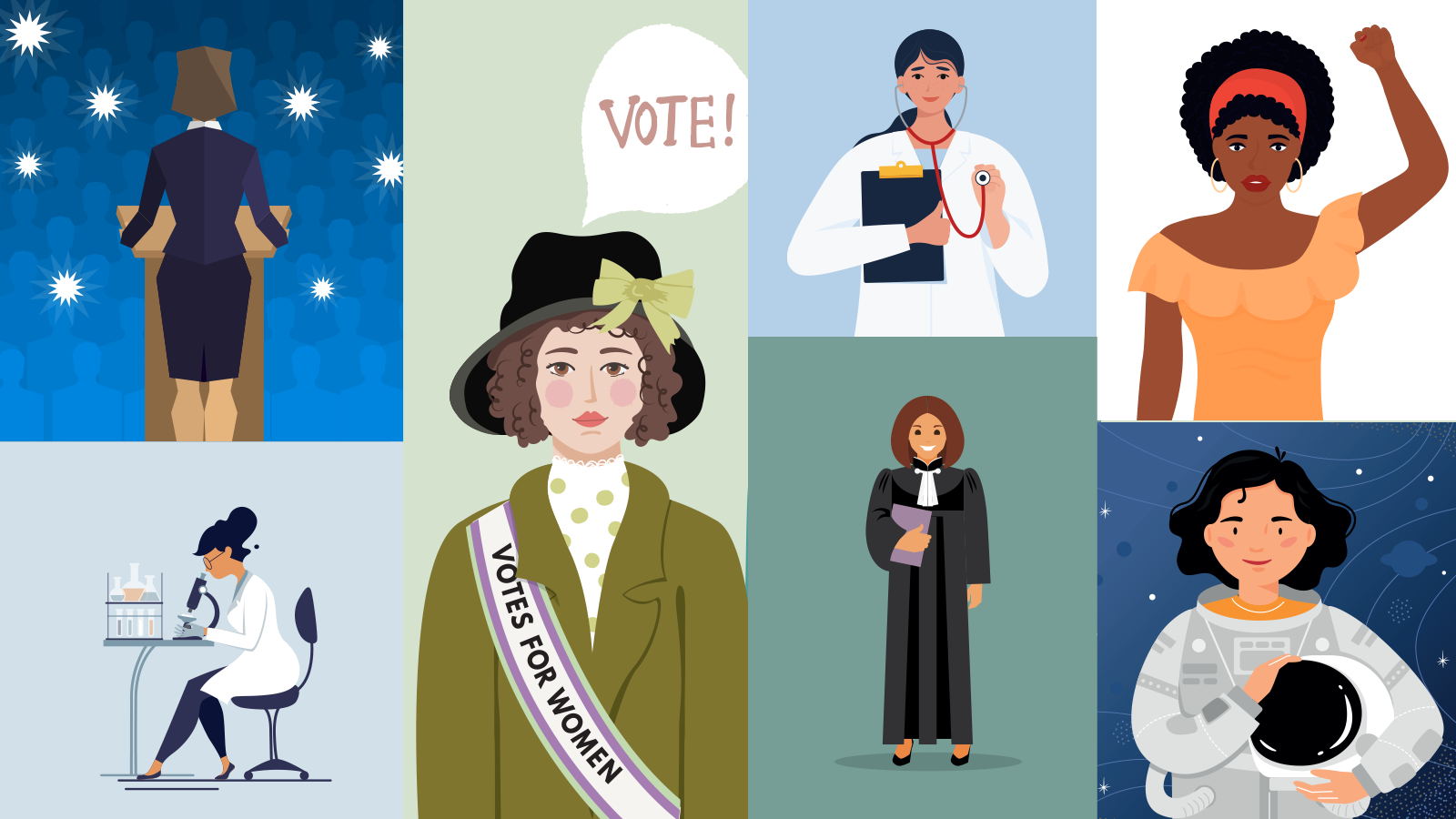
Women in History: Trailblazers Who Rewrote the Rules
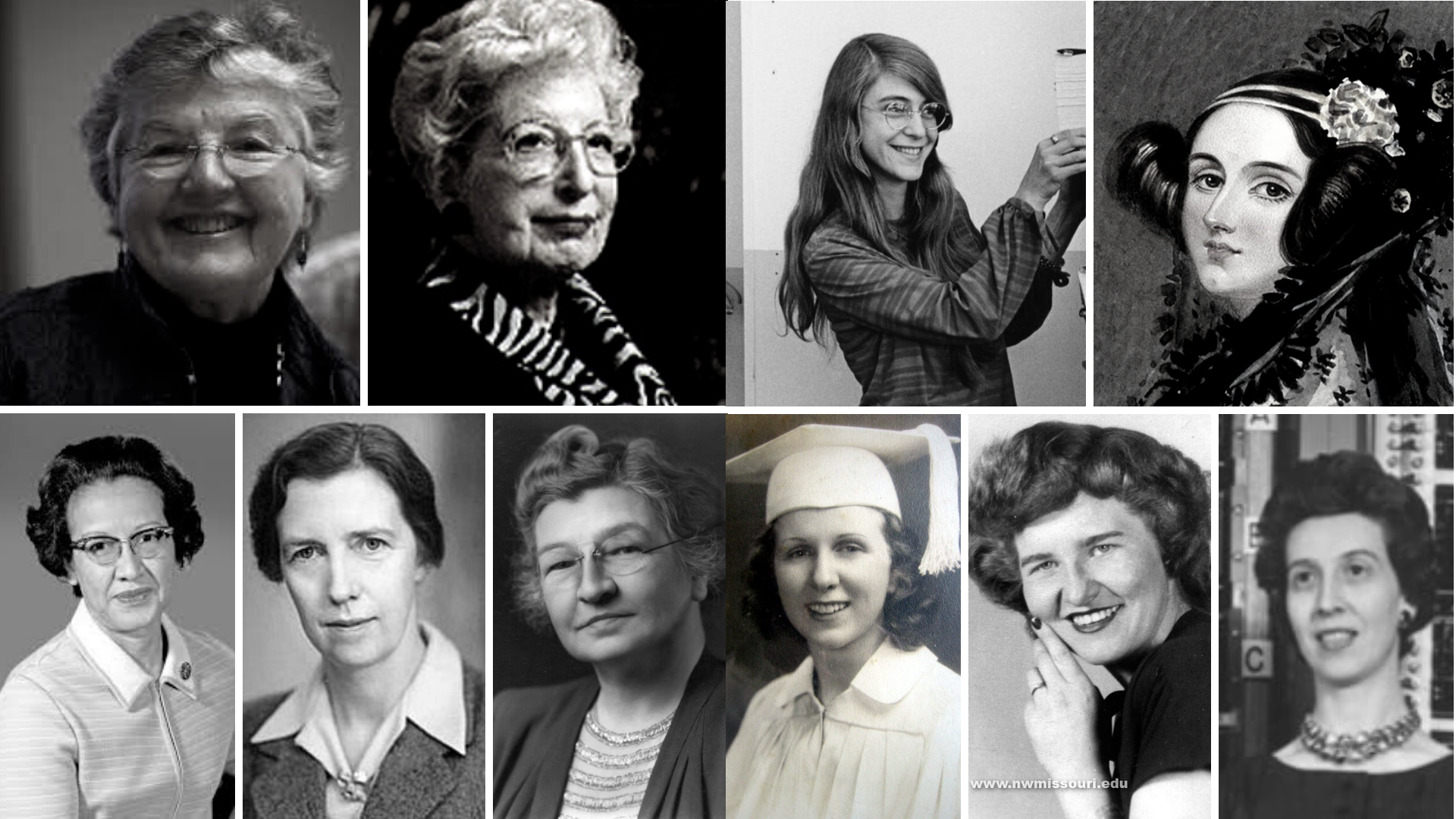
Scientific Pioneers
Women scientists have repeatedly challenged the boundaries of knowledge despite limited access to formal education, funding, and recognition. Consider:
- Marie Curie — A two-time Nobel laureate, Curie’s work on radioactivity not only revolutionized physics and chemistry but also laid groundwork for medical radiology. Her persistence in a male-dominated academy set a precedent for women’s scientific leadership.
- Rosalind Franklin — Franklin’s X-ray crystallography images were critical to understanding DNA’s double helix. Her story highlights issues of attribution and the need to credit contributions fairly.
- Chien-Shiung Wu — Her experimental work disproved the law of parity in weak interactions, reshaping particle physics. Despite her pivotal role, she often faced obscured recognition compared with male colleagues.
- Ada Lovelace — Often called the first computer programmer, Lovelace’s 19th-century notes on Charles Babbage’s Analytical Engine contained algorithmic thinking that prefigured modern computing.
- Grace Hopper — A naval officer and computer scientist, Hopper helped develop early compilers and popularized the idea of machine-independent programming languages, foundational for contemporary software development.
- Katherine Johnson — Her calculations of orbital mechanics were crucial to NASA’s early successes, underscoring the role of precise mathematical labor in space exploration.
- Sojourner Truth — An abolitionist and women’s rights advocate, Truth’s oratory and activism highlighted intersections of race and gender.
- Ruth Bader Ginsburg — Through strategic litigation and judicial service, Ginsburg advanced gender equality within the U.S. legal framework, reshaping employment and constitutional law.
- Wangari Maathai — Founder of the Green Belt Movement and Nobel Peace Prize laureate, Maathai connected environmental stewardship with women’s empowerment in Kenya and beyond.
- Educational exclusion: For centuries, formal education systems marginalized women, restricting the pipeline of women scientists and technologists.
- Workplace discrimination: Pay gaps, glass ceilings, and hostile climates historically and presently reduce retention of women in STEM fields.
- Attribution and visibility: Women’s contributions are often under-credited in publications, patents, and awards—what scholars call the “Matilda Effect.”
- Intersectional marginalization: Women of color, LGBTQ+ women, and women with disabilities frequently encounter compounded barriers that require intersectional solutions.
- Early STEM exposure in schools with gender-inclusive curricula and role models.
- Mentorship programs that connect students with women professionals to provide guidance and networks.
- Scholarships and fellowships specifically for women and underrepresented groups to reduce financial barriers.
- Transparent hiring and promotion criteria to minimize bias.
- Family-friendly policies such as parental leave and flexible schedules to retain talent across life stages.
- Gender-balanced leadership targets and sponsorship programs that actively promote women into decision-making roles.
- Curricula that feature diverse historical figures and contemporary leaders normalize women’s achievements.
- Media representation that highlights complex, authoritative portrayals of women in STEM and social movements.
- Institutional storytelling—awards, naming buildings, and archives—should preserve and elevate women’s legacies.
- Combining expertise with advocacy: Women like Ruth Bader Ginsburg used technical legal expertise to craft precedents that advanced equality.
- Building community institutions: Activists such as Sojourner Truth and Wangari Maathai anchored movements in grassroots organizing.
- Mentorship and networks: Many women rose by mentoring others and forming supportive professional communities—this mutual aid model remains powerful today.
- Resilience and adaptability: Trailblazers often navigated institutional resistance with creative strategies, from publishing under initials to forming parallel institutions.
- Join or start clubs that promote STEM participation for girls and gender-diverse peers.
- Seek mentorship and internship opportunities with women-led organizations and labs.
- Adopt inquiry-based projects that allow students to research local women leaders and produce public-facing work (exhibits, podcasts, articles).
- Implement classroom practices that combat stereotype threat—affirmation exercises, growth-mindset language, and representative problem sets.
- Promote public history projects such as plaques, walking tours, and exhibitions that honor women innovators.
- Volunteer with or fund organizations that preserve oral histories of women from diverse backgrounds.
- Representation statistics at entry, mid, and leadership levels in STEM fields and decision-making bodies.
- Pay equity measures disaggregated by gender, race, and role.
- Retention and promotion rates for women, including analysis of exit surveys to identify systemic issues.
- Visibility metrics—number of awards, media mentions, and curriculum inclusions for women researchers and leaders.
- Mandated family leave and flexible work options to support long-term careers.
- Equity-focused grant programs ensuring funding for women-led research and projects.
- Bias training combined with structural reforms—blind review processes, diverse selection panels, and mandated reporting on diversity outcomes.
- Funding for community-based organizations that connect STEM learning to underrepresented youth.
- “We must raise our voices—not only for ourselves but for others who will come after us.” — paraphrasing the spirit of many women activists.
- “Persistence is where innovation and equality meet.” — a concise insight reflecting how steady effort shifts institutional norms.
- “Women leaders in STEM” → link to your site’s existing page on women in STEM careers
- “Educational resources for teachers” → link to lesson plans or educator guides hosted on your domain
- “Community oral history projects” → link to a volunteer/partnerships page
- “Nobel Prize biography of Marie Curie” → https://www.nobelprize.org/
- “NASA ‘Hidden Figures’ archival materials” → https://www.nasa.gov/
- “UN Women research on gender equality in STEM” → https://www.unwomen.org/
- “Girls Who Code program outcomes” → https://girlswhocode.com/
- Women mentoring students in a lab — alt: “Woman mentor guiding students in a science laboratory.”
- Community tree-planting by Wangari Maathai’s Green Belt Movement — alt: “Community members planting trees in an environmental restoration project.”
- headline, description, author, datePublished, image, mainEntityOfPage
- Include keywords: women in history trailblazers, women empowerment, influential women in history, women leaders in STEM
- “From Ada Lovelace to Wangari Maathai: Discover how women trailblazers are reshaping science, tech, and social justice.”
- Use hashtags: #WomenInHistory #WomenInSTEM #WomenEmpowerment #Trailblazers
Technological Innovators
Women have not only contributed to theoretical knowledge but also to the technologies that shape daily life:
Leaders in Social Justice
Women have long mobilized communities and legal systems to advance rights and equity:
Patterns and Barriers: Understanding Structural Challenges
Recognizing individual achievements is crucial, but we must also examine the structures that have historically limited women’s access and recognition. Key barriers include:
Addressing these patterns requires systemic interventions—policy change, institutional accountability, and cultural shifts that value diverse leadership styles.
Women Empowerment: From Individual Success to Systemic Change
Shifting the Pipeline: Education and Mentorship
Expanding access to STEM education is a foundational strategy. Successful approaches include:
Institutional Reforms and Representation
To move beyond symbolic inclusion, institutions must adopt concrete reforms:
Cultural Transformations: Addressing Bias and Narratives
Changing the stories we tell about who belongs in science and justice is essential:
Case Studies: How Women Leaders Create Ripple Effects
Case Study 1: The Green Belt Movement (Wangari Maathai)
Wangari Maathai founded the Green Belt Movement in 1977 to address deforestation and empower rural Kenyan women. By combining ecological restoration with economic opportunity, the movement planted millions of trees and created community leadership pathways. This model demonstrates how environmental stewardship and women empowerment can be mutually reinforcing.
Case Study 2: NASA’s “Hidden Figures” Team (Dorothy Vaughan, Mary Jackson, Katherine Johnson)
The work of the African American women mathematicians at NASA during the 1950s and 1960s played an essential role in the success of early U.S. space missions. Their technical excellence and perseverance helped break down racial and gender barriers within federal scientific institutions, inspiring policy changes and future diversity initiatives at NASA.
Case Study 3: Global Tech Inclusion Programs (e.g., Girls Who Code)
Organizations like Girls Who Code provide structured curricula, mentorship, and industry partnerships to increase girls’ participation in computing. Evaluations show gains in both technical skills and confidence, with many alumni pursuing degrees and careers in computer science and engineering.
Influential Women in History: Lessons for Today
Across disciplines, the lives of influential women in history reveal recurring strategies that can inform contemporary action:
Actionable Strategies for Students, Educators, and History Buffs
How can different audiences contribute to amplifying women’s achievements in science, technology, and social justice? Below are specific, practical steps.
For Students
– Engage with primary sources: Read autobiographies and archival documents to understand women’s lived experiences.
For Educators
– Integrate stories of women trailblazers into syllabi across subjects—science, history, civics, and literature.
For History Buffs and Community Advocates
– Support local historical societies in documenting women’s contributions—donate time, funds, or expertise to digitize archives.
Measuring Progress: Metrics that Matter
Meaningful assessment helps organizations stay accountable. Useful metrics include:
Collecting and publicizing these metrics allows institutions to track progress and tailor interventions where they matter most.
Policy Levers and Institutional Commitments
Policies at institutional and governmental levels can accelerate change. Examples of high-impact policies include:
Stories That Inspire: Quotable Moments
Inspirational quotes can crystallize movement ethos. A few powerful lines include:
Frequently Asked Questions (FAQ)
Why are women’s historical contributions often overlooked?
Systemic biases, archival neglect, and attribution practices have historically prioritized men’s work. Addressing this requires active archival search, inclusive citation practices, and institutional recognition.
How can schools better teach the history of women in STEM?
Incorporate primary documents, profile diverse role models, and design assignments that foreground women’s scientific methods and innovations. Partnering with museums and local scientists enhances authenticity.
What are the most effective ways to support women-led initiatives?
Donate to organizations with demonstrated impact, volunteer time or expertise, advocate for policies that fund women’s research, and amplify women’s stories through media and classroom lessons.
Internal and External Link Recommendations
Internal (suggested anchor text):
External authoritative sources (suggested anchor text; open in new tab):
Image Suggestions and Alt Text
– Portrait collage of historical women scientists — alt: “Collage of historical women scientists and technologists.”
Schema Markup Recommendation
Use Article schema with properties:
Social Sharing Optimization
Suggested share text for Twitter/X, LinkedIn, Facebook:
Conclusion: An Ongoing Narrative of Change
Women in history are not just figures of the past; they are living models for how expertise, courage, and collective action create lasting change. Trailblazers in science, technology, and social justice illuminate paths forward—paths that demand both recognition and structural transformation. For students, educators, and history enthusiasts, the task is clear: preserve these narratives, embed them in learning institutions, and create policies that enable women’s full participation and leadership.
Discover how you can support initiatives promoting women’s achievements: Start by engaging with local schools and museums, volunteer with mentorship programs like Girls Who Code or community oral-history projects, donate to women-led research funds, and advocate for institutional policies that prioritize equity. Every action—from including a woman scientist on your classroom slide to funding a scholarship—helps rewrite the story of who belongs in science, technology, and social justice.
By amplifying these empowering narratives, we honor past accomplishments and unlock the full creative potential of future generations.
—
Author note: This article integrates contemporary research and historical records to provide an accessible, action-oriented resource for readers committed to advancing women’s leadership in STEM and social justice. For classroom-ready materials or partnership inquiries, use the internal links suggested above.