
Resilient Voices: Overlooked Heroines of History and Their Enduring Impact
Introduction
History textbooks often celebrate kings, generals, and landmark treaties—but the full story of change is incomplete without the courage and creativity of countless women whose names rarely appear in mainstream narratives. These unsung heroines in history shaped communities, led resistance movements, preserved cultures, and advanced science and social justice despite structural barriers. This article highlights a selection of forgotten women in history—from resistance fighters and grassroots organizers to historical conservationists—and reflects on the ways their resilience altered the course of events. Students seeking diverse historical perspectives will gain both concrete examples and frameworks for discovering more hidden figures, learn how these women’s strategies remain relevant today, and find inspiration for amplifying overlooked voices in their own communities.
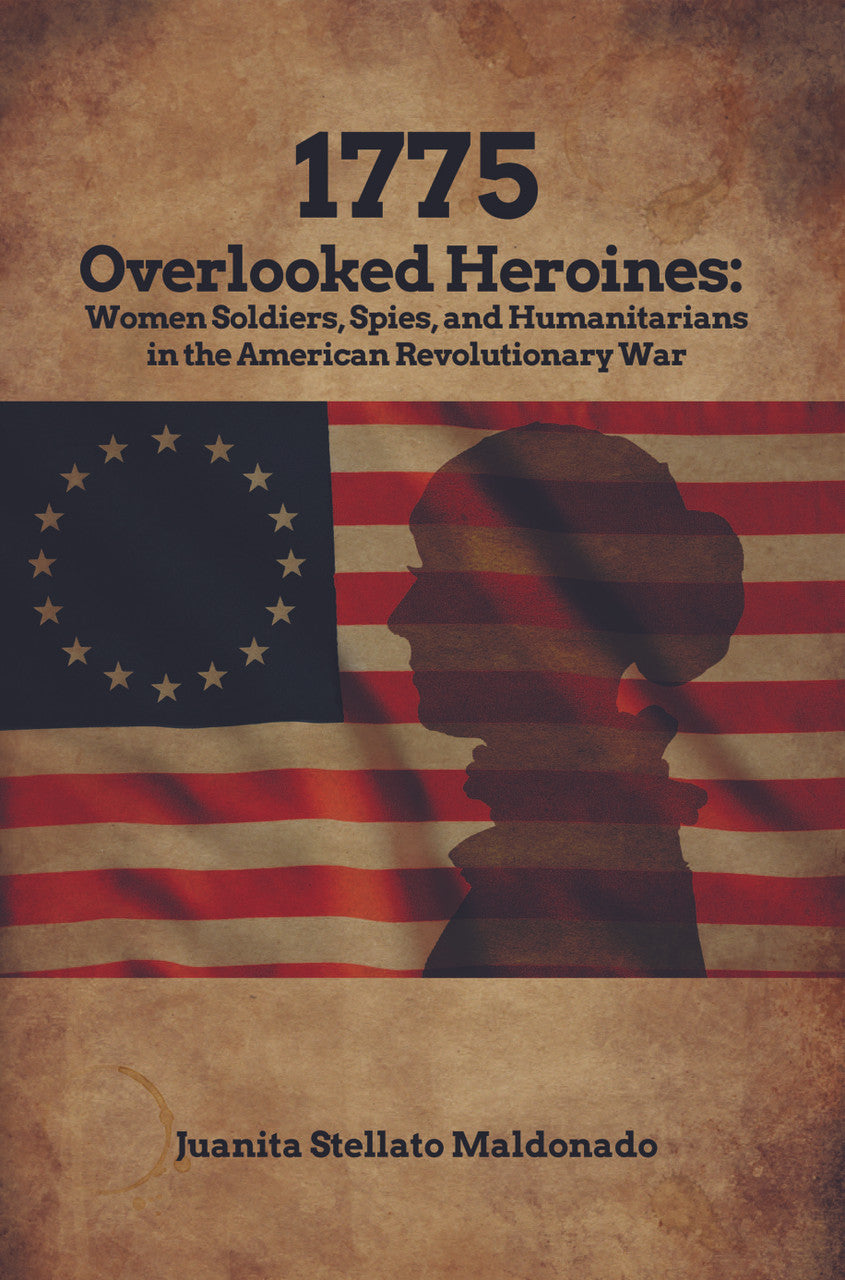
Why Unearthing Overlooked Heroines Matters
Uncovering stories of neglected women changes how we understand the past and informs how we build the future. When history omits large swaths of experience—especially those of marginalized communities—it reinforces a narrow sense of who can be an agent of change. Recovering the lives of forgotten women:
- Restores agency to groups historically silenced and corrects biased narratives.
- Reveals alternative strategies for resistance, preservation, and leadership.
- Enriches interdisciplinary studies (literature, science, conservation, political history).
- Inspires contemporary activism by offering models rooted in resilience and resourcefulness.
- Women resistance fighters: Participants in armed or covert opposition to oppressive regimes.
- Grassroots organizers and social reformers: Those who mobilized communities for education, health, or labor rights.
- Historical conservationists: Women who preserved artifacts, oral histories, and cultural landscapes.
- Scientific pioneers and technologists: Women whose research or invention was overshadowed or credited to others.
- Cultural preservers: Artists, storytellers, and practitioners who safeguarded intangible heritage.
- Network-building: Creating clandestine or public networks that sustained resistance or conservation.
- Knowledge production and preservation: Documenting oral histories, traditional practices, or scientific data.
- Resourceful adaptation: Using limited resources innovatively—from guerrilla tactics to community tree nurseries.
- Coalition-building: Bridging ethnic, class, or national divides to amplify impact.
- Moral authority and storytelling: Framing causes through narratives that resonate locally and internationally.
- Use archives and digital collections: National archives, university repositories, and projects like Women’s History databases hold valuable materials.
- Explore local histories: Museums, community centers, and cultural organizations preserve region-specific records not always digitized.
- Cross-reference sources: Corroborate oral tradition with contemporaneous documents; be mindful of bias in colonial or patriarchal records.
- Reach out to scholars and activists: Interviews with historians, archivists, and community leaders can open leads and contextualize findings.
- Apply intersectional lenses: Consider how gender intersects with race, class, religion, and geography in shaping each woman’s experience.
- Research spotlight series: Students select an overlooked woman and produce a multimedia profile (essay, podcast, short documentary).
- Map of resistance: Create an interactive map plotting women-led resistance efforts across a region or period.
- Comparative case study: Analyze two women from different eras who used similar strategies (e.g., covert networks, conservation) and evaluate outcomes.
- Public exhibit: Curate a virtual or physical exhibit that tells rescued stories through artifacts, images, and primary documents.
- Preserving built heritage: Women have led campaigns to save historic districts, homes, and sacred sites.
- Safeguarding traditional knowledge: Elders and craftswomen transmit artisanal techniques, medicinal knowledge, and oral literature.
- Archiving underdocumented stories: Female librarians, curators, and community archivists protect records that might otherwise be lost.
- Structural bias in record-keeping: Official archives often reflect the priorities of those in power, marginalizing grassroots actors.
- Gendered labor invisibility: Domestic work, caregiving, and community organizing frequently go unrecorded or undervalued.
- Deliberate erasure: Occupying powers, patriarchy, or later regimes sometimes suppress dissenting voices and records.
- Attribution and credit: In science and the arts, women’s contributions have been misattributed to male colleagues.
- Create community partnerships: Work with local organizations to document and honor overlooked heroines.
- Publish and share: Use blogs, social media, and school publications to circulate recovered stories and invite public feedback.
- Advocate for archival access: Support digitization projects and open-access archives that democratize historical research.
- National and regional archives (searchable online repositories)
- University women’s history centers and digital collections
- Oral history projects (e.g., StoryCorps, regional oral history initiatives)
- NGOs focused on environmental defenders and human rights (for contemporary figures)
- Anchor: “women in science” → internal page on female scientists in history
- Anchor: “environmental justice” → internal article on community-based conservation
- Anchor: “oral history projects” → internal resource hub for primary source research
- National archives or digital libraries (e.g., Europeana, Library of Congress)
- Reputable biographies and academic articles (university press publications)
- NGO pages documenting defenders (e.g., Front Line Defenders) and Nobel Prize biographies
- Use captions that contextualize images and cite sources.
- Implement schema.org/Article markup to improve discoverability; include author, publish date, and featured image metadata.
- Add share buttons and meta descriptions that highlight primary keywords (unsung heroines in history, forgotten women in history).

Key Categories of Overlooked Heroines
To explore the variety of contributions women made, we can group many forgotten figures into categories that help students approach research and interpretation:
Profiles of Resilient Voices (Case Studies)
These snapshots illustrate diverse forms of courage and stewardship across time and geography. Each profile emphasizes context, action, and legacy—use them as starting points for deeper research or classroom projects.
1. Noor Inayat Khan (1914–1944) — British SOE Wireless Operator and Resistance Hero
Context: A British-Indian Muslim woman with Sufi lineage, Noor volunteered for the Special Operations Executive (SOE) during World War II.
Actions: Trained as a wireless operator and parachuted into occupied France to assist the French Resistance. Despite isolation, multiple betrayals of her network, and capture, she refused to give information.
Legacy: Executed at Dachau in 1944, Noor’s bravery was posthumously recognized with the George Cross. Her story challenges stereotypes about who resists and demonstrates courage under extreme duress.
Learning angles: Intersection of gender, race, and war; the role of espionage in resistance; ethics and memory.
2. Wangari Maathai (1940–2011) — Environmentalist, Organizer, and Conservationist
Context: Kenyan biologist, founder of the Green Belt Movement in 1977.
Actions: Mobilized rural women to plant millions of trees to restore degraded landscapes, conserve soil and water, and provide income. The movement linked ecological restoration with women’s rights and civic empowerment.
Legacy: Nobel Peace Prize (2004). Maathai’s model is an influential example of how grassroots environmental action intersects with social justice and political change.
Learning angles: Ecological conservation led by women; community-based environmentalism; empowerment through natural resource stewardship.
3. Berta Cáceres (1971–2016) — Indigenous Leader and Environmental Rights Defender
Context: Lenca leader in Honduras who opposed destructive development projects impacting indigenous lands and rivers.
Actions: Organized indigenous communities, led nonviolent protests, and used legal channels and international advocacy to halt environmentally harmful projects.
Legacy: Assassinated in 2016. Her life sparked global attention to the dangers faced by environmental activists and the need to protect defenders of indigenous rights.
Learning angles: Indigenous sovereignty, environmental justice, the risks of activism.
4. Harriet Tubman (c. 1822–1913) — Conductor on the Underground Railroad and Civil War Spy
Context: Born into slavery in the United States, Tubman escaped and returned repeatedly to rescue others.
Actions: Guided dozens of enslaved people to freedom via the Underground Railroad; served as a scout, spy, and nurse for the Union Army during the Civil War.
Legacy: A symbol of courage and tactical leadership; her work demonstrates covert networks, intelligence-gathering, and community-based liberation strategies.
Learning angles: Escape networks, women’s roles in war, intersection of abolition and women’s activism.
5. Fawzia Koofi (b. 1975) — Afghan Politician and Women’s Rights Advocate
Context: A former Member of Parliament in Afghanistan, Koofi survived assassination attempts while advocating for women’s participation in peace talks and governance.
Actions: Campaigned for women’s education, legal protections, and meaningful roles in negotiations; authored a memoir detailing her experiences.
Legacy: Her continued advocacy under threat highlights the persistent struggle for gender-inclusive peacebuilding.
Learning angles: Women in peace processes, the changing landscape of rights under conflict.
6. Zaha Hadid (1950–2016) — Architect Who Reshaped Modern Design
Context: An Iraqi-British architect marginalized in a male-dominated field early in her career.
Actions: Pushed architectural design boundaries, winning major commissions using innovative forms and technology.
Legacy: First woman to receive the Pritzker Architecture Prize (2004). Her career shows how women reshape professional fields despite systemic obstacles.
Learning angles: Overcoming institutional bias, creativity and professional recognition.
7. Alice Ball (1892–1916) — Chemist Who Developed Early Effective Treatment for Leprosy
Context: African American chemist whose treatment for leprosy was initially credited to her male supervisor after her untimely death.
Actions: Developed the “Ball Method,” the first successful injectable treatment for Hansen’s disease.
Legacy: Her contribution was rediscovered decades later, correcting the historical record. Alice Ball’s life raises issues of credit, race, and gender in science.
Learning angles: Scientific attribution, archival recovery, equity in STEM history.
Strategies These Women Used—Patterns of Resilience
Across environments and eras, overlooked heroines used several recurring strategies:
How to Research Forgotten Women in History (Practical Steps for Students)
1. Start with primary sources: Letters, diaries, oral histories, trial records, photographs, and local newspapers often reveal untold stories.
Classroom and Project Ideas
– Oral history project: Partner with local elder communities to record women’s memories and create a public archive.
Why Historical Conservationists Matter
Historical conservationists—often women—play a crucial role in preserving tangible and intangible heritage. Their efforts include:
These conservation efforts are a form of resistance against cultural erasure and commodification, ensuring future generations inherit a richer, more accurate past.
Challenges to Recognition and the Politics of Memory
Why do many heroic women remain forgotten? Key factors include:
Addressing these barriers requires intentional archival practices, inclusive curricula, and public history projects that center marginalized voices.
Quotable Insights
> “Resilience is not just surviving—it’s the quiet, persistent work of shaping lives and landscapes for the future.”
“Recovering a single life transforms our sense of what was possible in the past and what can be possible now.”
Actionable Steps for Students and Educators
– Integrate diverse sources into syllabi: Include primary documents and biographies of women from diverse backgrounds.
Recommended Resources and Links
Suggested starting points for deeper research:
When publishing, link to specific archive collections, oral history projects, and major museums relevant to the geographic focus of your research.
Internal and External Linking Suggestions for Publishers
Internal link suggestions:
External link suggestions:
Accessibility, Images, and Schema Recommendations
– Include portrait images or archival photographs with concise, descriptive alt text (e.g., “Portrait of Noor Inayat Khan in SOE uniform, 1943”).
Frequently Asked Questions
Q: How do I find reliable information about a little-known woman?
A: Start with primary sources and reputable archives, consult academic journals, and cross-verify with multiple records. Local museums and community organizations are often invaluable.
Q: Can modern activism use lessons from these women?
A: Yes. Their strategies—coalition-building, storytelling, nonviolent direct action, and environmental stewardship—remain powerful tools for contemporary movements.
Q: Why focus on women specifically?
A: Gendered power structures historically limited recognition of women’s contributions. Focusing on women restores balance and reveals fuller, richer histories.
Conclusion
The stories of unsung heroines in history are not marginal curiosities; they are central threads that, when woven back into the narrative, transform our understanding of who leads change and how it happens. Forgotten women in history—from resistance fighters and grassroots organizers to historical conservationists and scientific pioneers—offer models of courage, innovation, and stewardship that remain deeply relevant. By researching, teaching, and sharing these lives, students and educators can correct historical omissions and inspire future generations to value inclusive leadership.
Call to Action
Discover a forgotten heroine near you: research her story, create a short profile, and share it with classmates or on social media to spark conversation. Learn more about these women’s stories and share to inspire others. Delve into archives, start a classroom project, or use social media to amplify biographies and primary sources. Every shared story multiplies the impact of these resilient voices—help keep them alive.