
Beyond Selma: Unveiling Wisconsin’s Untold Civil Rights Marches of the 1960s
The national narrative of the American Civil Rights Movement often paints a picture centered on the Deep South, with iconic marches in places like Selma and Montgomery dominating the historical landscape. While these struggles were undeniably pivotal, they represent only one facet of a nationwide battle for equality. Far from the cotton fields and segregated lunch counters of the South, a fierce and often untold Wisconsin civil rights movement was unfolding in the 1960s, challenging deeply entrenched racial discrimination in housing, employment, and education. Wisconsin, a state often perceived as progressive, harbored its own insidious forms of segregation and prejudice, prompting courageous activists to take to the streets, demanding justice and confronting systemic inequalities head-on.
This comprehensive article delves into the lesser-known, yet profoundly significant, civil rights marches and activism that swept across Wisconsin during the tumultuous 1960s. We will move beyond the headlines to uncover the local heroes, the strategic confrontations, and the enduring legacy of a movement that fought tirelessly for racial justice in the Badger State. From the intense open housing marches in Milwaukee led by Father James Groppi, to the student protests in Madison, and the quiet yet powerful struggles in smaller communities, these stories reveal a complex and often uncomfortable truth about Wisconsin’s past. Understanding these untold Wisconsin civil rights narratives is crucial, not only for a complete historical record but also for recognizing the persistent echoes of these battles in contemporary society. Join us as we shine a light on the brave individuals and communities who marched, organized, and sacrificed to build a more equitable Wisconsin.

The National Stage and Wisconsin’s Local Battlefields for Civil Rights
The 1960s were a crucible for social change in America. Landmark legislation like the Civil Rights Act of 1964 and the Voting Rights Act of 1965 dismantled de jure segregation in the South. However, the fight for equality was far from over, particularly in the North, where de facto segregation—segregation by custom, housing patterns, and economic disparities—persisted. This distinction is vital when examining the untold Wisconsin civil rights struggles, as activists in the state often faced a more subtle, yet equally pervasive, form of racism.
While the nation watched events unfold in Birmingham and Little Rock, Wisconsin communities grappled with their own versions of racial injustice. African Americans migrating north in search of better opportunities often found themselves confined to overcrowded, dilapidated neighborhoods due to discriminatory housing practices like redlining and restrictive covenants. They faced employment discrimination, limited access to quality education, and pervasive social prejudice. These conditions ignited a robust local movement, demonstrating that the struggle for civil rights was a truly national endeavor, with unique challenges and triumphs in every state, including Wisconsin. The marches in Wisconsin were not merely echoes of Southern activism; they were distinct, localized responses to specific injustices that demanded attention and action.
Milwaukee’s Fierce Fight for Open Housing: Father Groppi and the Commandos
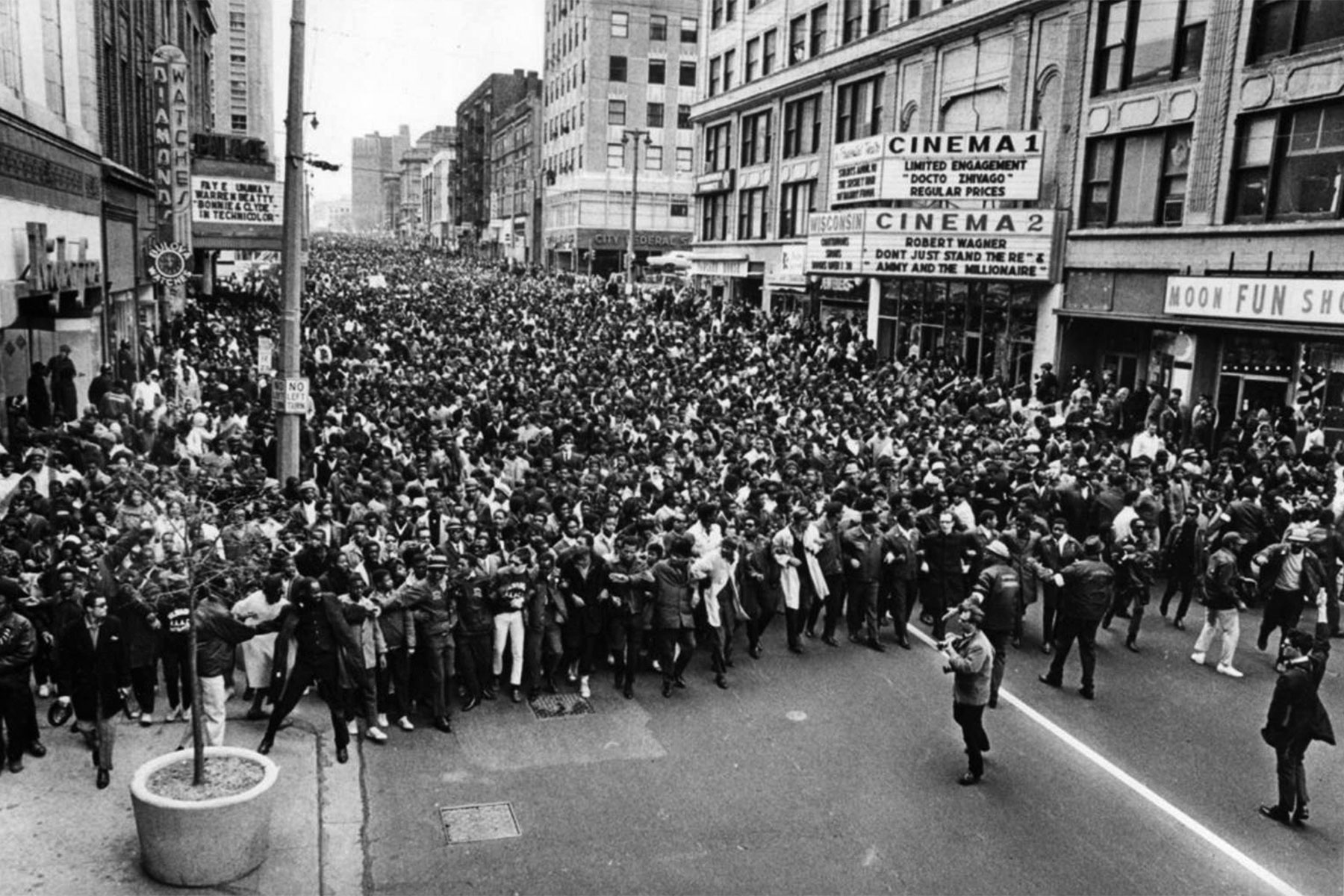
Perhaps the most iconic, though still often overlooked, chapter in untold Wisconsin civil rights history is Milwaukee’s Open Housing Marches. Beginning in August 1967, these demonstrations, led by the charismatic Catholic priest Father James Groppi and the NAACP Youth Council’s “Commandos,” lasted an astonishing 200 consecutive nights. The primary target was a city ordinance that permitted discrimination in housing sales and rentals, effectively creating a deeply segregated city.
Milwaukee’s African American population was largely confined to the inner core, known as the “Innercore,” due to discriminatory real estate practices. Housing discrimination was not just a matter of social injustice; it was a root cause of inequalities in education, employment, and public services. The marches aimed to break down these barriers, demanding a fair housing ordinance that would ensure equal access for all, regardless of race. The bravery of the marchers, many of whom were teenagers, was immense, as they faced hostile crowds, racial slurs, thrown objects, and even violence.
The Bridge and the Backlash: Confronting Deep-Seated Prejudice
A focal point of the Milwaukee marches was the 16th Street Viaduct, a symbolic bridge separating the predominantly Black Innercore from the white ethnic neighborhoods on the South Side. Crossing this bridge became a powerful act of defiance, a direct confrontation with the city’s racial divide. Each night, hundreds, sometimes thousands, of marchers would attempt to cross, only to be met by thousands of counter-protesters. These counter-protesters, often organized by groups like the “Milwaukee Citizens for Equal Opportunity” (a misnomer, as they opposed open housing), hurled insults, rocks, and bottles. The scenes were often chaotic and violent, requiring heavy police presence.
Key Takeaway: The Milwaukee Open Housing Marches exposed the raw, visceral racism present in Northern cities, challenging the myth that racial prejudice was solely a Southern problem.
Father Groppi, a white priest from a working-class Italian neighborhood, became a lightning rod for both support and hatred. His unwavering commitment to nonviolent direct action, combined with the militant spirit of the NAACP Youth Council Commandos, galvanized the movement. The Commandos, often wearing military-style uniforms, provided security for the marches and embodied a growing impatience with gradual change. Their presence underscored the urgency and seriousness of the demands for open housing.
The Role of the NAACP Youth Council and the Commandos
The NAACP Youth Council, under Father Groppi’s guidance, was the engine of the Milwaukee movement. These young activists, many of whom were high school students, underwent rigorous training in nonviolent tactics. They understood the power of organized protest and were committed to sustained action, even in the face of extreme adversity. Their discipline and courage were instrumental in maintaining the marches for such an extended period.
The “Commandos” were a distinct group within the Youth Council, known for their distinctive uniforms and their role in protecting marchers. They were not a violent group, but their readiness to stand firm against aggressive counter-protesters projected an image of strength and determination. This combination of nonviolent philosophy and a prepared, assertive presence proved highly effective in maintaining the momentum of the open housing campaign. Their story is a crucial part of the untold Wisconsin civil rights narrative, highlighting the agency and bravery of young people.
Legislative Victory and Enduring Impact
After months of relentless marching, national attention, and immense pressure, the Milwaukee Common Council finally passed a strong open housing ordinance in April 1968, just days after the assassination of Dr. Martin Luther King Jr. While the ordinance was a significant victory, it did not immediately erase decades of segregation. The fight for true integration and equitable opportunities continued, and many of the systemic issues persist today.
The Milwaukee Open Housing Marches, however, set a national precedent. They demonstrated that Northern cities were not immune to the civil rights struggle and highlighted the complex nature of de facto segregation. The marches became a powerful symbol of resistance and a testament to the power of sustained community organizing. They also provided invaluable lessons in confronting white backlash and mobilizing diverse coalitions for social justice.
Beyond Milwaukee: Echoes of Activism Across Wisconsin
While Milwaukee’s open housing struggle often takes center stage, the untold Wisconsin civil rights story extends far beyond its largest city. Across the state, various communities and groups engaged in their own battles against racial discrimination, each contributing to the broader movement for equality. These localized efforts, though sometimes smaller in scale, were equally vital in challenging the status quo and advancing civil rights in Wisconsin.
Madison’s Student Power and Racial Justice
Madison, home to the flagship campus of the University of Wisconsin, was a hotbed of student activism throughout the 1960s. While often associated with anti-Vietnam War protests, Madison’s student body and local community also actively engaged in the civil rights movement. The issues here often revolved around discriminatory practices within the university itself, local businesses, and the broader community’s racial climate.
Students organized sit-ins, boycotts, and marches to protest segregated housing near campus, discriminatory hiring practices by local employers, and the lack of diversity within the university faculty and administration. The Black Student Union (BSU) played a critical role, demanding curriculum changes, increased minority enrollment, and the creation of ethnic studies programs. Their activism brought significant pressure on university administrators and local officials, leading to important policy changes and a greater awareness of racial issues.
For example, in 1969, students occupied the administration building, presenting a list of demands for racial equality. This direct action, reflecting a national trend of student protest, forced the university to address systemic racism within its structures. These events underscore that the untold Wisconsin civil rights narrative includes robust student-led movements that pushed the boundaries of institutional racism.
Wauwatosa: A Suburb Confronts Segregation
Just west of Milwaukee, the affluent suburb of Wauwatosa became another flashpoint for civil rights activism. While Wauwatosa prided itself on its manicured lawns and good schools, it was also largely white and resistant to integration. In 1966, the NAACP targeted Wauwatosa with marches and protests, demanding an open housing ordinance similar to the one being sought in Milwaukee.
Activists marched through Wauwatosa’s streets, often facing hostile residents who saw their presence as an invasion. These demonstrations highlighted the suburban dimension of segregation, where racial exclusion was maintained through property values, zoning laws, and outright prejudice. The Wauwatosa marches, though less prolonged than Milwaukee’s, were crucial in demonstrating that racial barriers existed not only in urban centers but also in the seemingly idyllic suburbs. They forced residents to confront the uncomfortable truth of their community’s role in maintaining a segregated Wisconsin.
Rural Voices: The Often-Overlooked Struggles
The untold Wisconsin civil rights story also encompasses the experiences of African American communities in smaller, rural towns, whose struggles often go unrecorded. While lacking the large-scale protests of Milwaukee or Madison, these communities faced unique challenges related to isolation, economic hardship, and subtle forms of discrimination.
In towns with small Black populations, individuals and families often encountered prejudice in employment, housing, and social interactions without the collective power of a large movement to challenge it. These struggles were often personal and quiet, involving daily acts of resistance and perseverance. African American farmers, for instance, faced discrimination in accessing loans and markets. Migrant workers, many of whom were people of color, often endured harsh working conditions and systemic exploitation with little recourse.
Organizations like the NAACP had local chapters in some smaller cities, working on issues such as school desegregation and fair employment practices. Their efforts, though less visible nationally, were critical in securing rights and improving conditions for local residents. These localized battles remind us that the fight for civil rights permeated every corner of the state, underscoring the pervasive nature of racial inequality.
The Tactics of Change: Nonviolence, Confrontation, and Legislation
The civil rights movement in Wisconsin employed a diverse array of tactics, reflecting both national strategies and local adaptations. Nonviolent direct action, inspired by Mahatma Gandhi and Dr. Martin Luther King Jr., was a cornerstone, particularly in Milwaukee. Marchers were trained to remain peaceful in the face of provocation, understanding that their moral authority was a powerful weapon against injustice.
However, the movement also recognized the necessity of confrontation. When peaceful pleas and negotiations failed, direct action was used to disrupt the status quo and force the issue into public consciousness. The sustained nature of the Milwaukee marches, for instance, was a deliberate tactic to wear down political resistance and generate media attention. The sight of young people bravely facing angry mobs night after night created a moral imperative for change.
Quotable Statement: “The marches were a mirror, reflecting back to Milwaukee what it truly was: a city deeply divided by race, despite its progressive veneer.” – Acknowledging the movement’s revealing power.
Legislative change was the ultimate goal, as activists understood that true equality required legal protections. The fight for an open housing ordinance in Milwaukee was a clear example of this, as was the push for fair employment laws and desegregation orders in other parts of the state. The combination of grassroots activism, media pressure, and strategic legal action proved to be a powerful force for change, slowly but surely dismantling discriminatory systems.
Key Figures and Unsung Heroes in Wisconsin’s Civil Rights Movement
Beyond Father James Groppi, who rightly holds a prominent place, countless individuals contributed to the untold Wisconsin civil rights movement. Their courage, dedication, and sacrifices were essential in pushing the state towards greater equality.
- Vel Phillips: A trailblazing figure, Vel Phillips was the first African American woman to graduate from the University of Wisconsin Law School and the first African American and woman to serve on the Milwaukee Common Council. She was a vocal advocate for open housing long before the marches began, introducing legislation that was repeatedly voted down. Her persistence laid crucial groundwork for the later movement. She later became the first African American Secretary of State in Wisconsin.
- The NAACP Youth Council Commandos: As mentioned, these young people, predominantly African American teenagers, were the heart and soul of the Milwaukee marches. Their names may not be widely known, but their daily commitment to nonviolent protest in the face of extreme hostility makes them true unsung heroes. They put their bodies on the line for justice.
- Reverend Lucius Walker Jr.: A prominent leader in Milwaukee’s civil rights movement, Rev. Walker was a pastor and activist who worked alongside Father Groppi, providing spiritual guidance and organizing support within the African American community.
- Frank Zeidler: Milwaukee’s Socialist mayor from 1948-1960, Zeidler was an early advocate for fair housing, though his efforts faced strong opposition. His progressive stance highlighted an early, albeit limited, political will to address racial inequality.
- Local Activists and Community Organizers: In every city and town, countless individuals volunteered their time, opened their homes, organized meetings, and participated in protests. These were teachers, factory workers, homemakers, and students who believed in the cause of justice and dedicated themselves to making a difference. Their collective efforts formed the bedrock of the movement.
- The Emotional Toll: The constant threat of violence, the psychological burden of discrimination, and the exhaustion of sustained activism.
- Community Solidarity: How churches, community centers, and neighborhood groups served as vital hubs for organizing, support, and solace.
- Intergenerational Impact: How the experiences of the 1960s shaped the perspectives and activism of subsequent generations, fostering a legacy of social justice.
Remembering these figures, both prominent and less known, helps to paint a more complete picture of Wisconsin’s vital contribution to the national civil rights struggle. Their stories are integral to understanding the depth and breadth of the untold Wisconsin civil rights movement.
The Lasting Legacy: How Wisconsin’s Marches Shaped Today
The untold Wisconsin civil rights marches of the 1960s had a profound and lasting impact on the state, shaping its legal landscape, social consciousness, and ongoing pursuit of equality. While they didn’t magically erase racism, they laid crucial groundwork for future progress and exposed the deep-seated issues that continue to challenge Wisconsin.
Legal and Policy Changes
The most immediate and tangible legacy was the passage of open housing ordinances in Milwaukee and other communities. These laws made racial discrimination in housing illegal, offering a legal recourse for victims of prejudice. While enforcement could be challenging, the existence of these laws provided a foundation for future fair housing efforts. The activism also spurred broader discussions about civil rights within state legislature, contributing to a more inclusive legal framework over time.
Shifting Social Consciousness
The marches forced Wisconsin residents, particularly white communities, to confront the reality of racial discrimination in their own backyards. The nightly news reports of angry mobs and peaceful marchers created an inescapable dialogue about race, privilege, and justice. While many resisted change, others were moved to support the cause, leading to the formation of interfaith and interracial alliances that continued to work for social justice. The marches, particularly in Milwaukee, shattered the illusion of Wisconsin as a purely progressive haven, revealing its complex racial dynamics.
Foundation for Future Activism
The strategies, organizing models, and networks developed during the 1960s laid the groundwork for subsequent social justice movements in Wisconsin. The experience gained in community organizing, nonviolent direct action, and legislative advocacy proved invaluable. Many individuals who were active in the civil rights movement went on to become leaders in other causes, from women’s rights to environmental protection, carrying forward the spirit of activism.
Persistent Challenges and Ongoing Relevance
Despite the victories, Wisconsin continues to grapple with significant racial disparities in housing, education, employment, and the criminal justice system. The legacy of segregation, though no longer legally enforced, continues to manifest in de facto patterns of inequality. Understanding the untold Wisconsin civil rights history is therefore not just an academic exercise; it provides crucial context for addressing contemporary issues and informs ongoing efforts to achieve true equity. The battles fought in the 1960s remind us that vigilance and continued advocacy are essential for progress.
Untold Stories from Wisconsin’s Civil Rights Movement: Personal Narratives and Community Impact
Beyond the prominent figures and large-scale events, the untold Wisconsin civil rights movement is rich with personal stories of courage, resilience, and community impact that deserve recognition. These are the narratives of ordinary people who made extraordinary contributions.
Consider the story of a young African American mother in Milwaukee who, after the open housing ordinance passed, bravely attempted to rent an apartment in a previously all-white neighborhood. Her experience, whether met with acceptance or continued subtle resistance, reflects the everyday realities of challenging systemic barriers. Or the Black factory worker in Racine who, inspired by the marches, began advocating for fairer hiring practices within his workplace, risking his job to speak truth to power.
These individual acts of courage, often unrecorded in history books, collectively formed the fabric of the movement. They highlight:
Actionable Advice: Seek out oral histories and local archives. Many of these personal narratives are preserved in university collections, historical societies, and community centers, waiting to be discovered and shared.
These personal accounts underscore that civil rights were not an abstract concept but a deeply personal struggle for dignity, opportunity, and belonging. Unearthing these untold Wisconsin civil rights stories enriches our understanding of this pivotal era and reminds us of the human cost and triumph of the movement.
Frequently Asked Questions About Wisconsin’s Civil Rights Marches
Q1: Was Wisconsin truly segregated in the 1960s, given its Northern location?
A1: Yes, Wisconsin, particularly its major cities like Milwaukee, experienced significant de facto segregation. While not enforced by law as in the South, discriminatory housing practices (redlining, restrictive covenants), employment biases, and social prejudices created deeply segregated neighborhoods and limited opportunities for African Americans. This often made the struggle for untold Wisconsin civil rights different but no less challenging than in the South.
Q2: What were the main goals of the Milwaukee Open Housing Marches?
A2: The primary goal of the Milwaukee Open Housing Marches, led by Father James Groppi and the NAACP Youth Council, was to compel the Milwaukee Common Council to pass a fair housing ordinance. This ordinance would have made it illegal to discriminate based on race in the sale or rental of housing,