
Secrets of the Timber Barons: Unveiling the Hidden History of Wisconsin’s Logging Boom
Beneath the serene beauty of Wisconsin’s forests lies a tumultuous and often untold saga: the logging boom of the 19th century. This era, stretching from the mid-1800s into the early 20th century, transformed vast stretches of pristine wilderness into a bustling industrial landscape, fueling America’s westward expansion and the growth of emerging cities. It was a time of immense wealth creation, audacious ambition, and grueling labor, all orchestrated by a powerful class known as the timber barons. For history buffs and those curious about the roots of Midwest communities, understanding this period is crucial. It’s a story not just of felled trees and flowing rivers, but of human ingenuity, environmental transformation, and the shadowy dealings that shaped the very fabric of Wisconsin.
This article delves into the hidden history of Wisconsin’s logging boom, pulling back the curtain on the lives of the 19th century timber barons, the rough-and-tumble existence in logging camps, and the pivotal role of the Chippewa Valley in this dramatic chapter. We will explore the forces that drove this economic explosion, the immense fortunes it generated, and the lasting legacy it left on the land and its people. Prepare to journey back in time to an era when towering pines ruled the landscape and the roar of the sawmill was the soundtrack to progress.
The Untamed Wilderness: Wisconsin’s Forest Riches
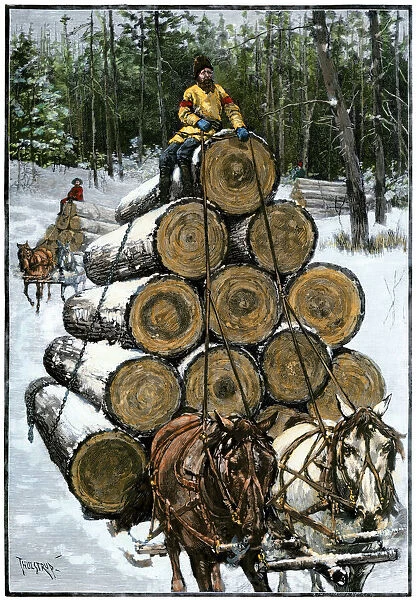
In the mid-19th century, Wisconsin was a land of unparalleled natural abundance, particularly its vast, seemingly endless forests. These weren’t just any forests; they were dominated by towering white pines, majestic red pines, and hemlocks – species prized for their strength, versatility, and sheer size. These trees represented an untapped reservoir of wealth, a critical resource for a rapidly industrializing nation hungry for lumber to build homes, factories, and railroads. The sheer scale of these primordial forests is almost unimaginable today.
Early settlers and entrepreneurs quickly recognized this immense potential. The demand for timber, driven by post-Civil War reconstruction and population growth across the Midwest, created an irresistible economic pull. It was a time when land seemed infinite and resources inexhaustible, setting the stage for one of the most significant industrial booms in American history. The stage was set for the logging boom to unfold, transforming a quiet frontier into an economic powerhouse.
The Dawn of an Empire: Early Logging Operations
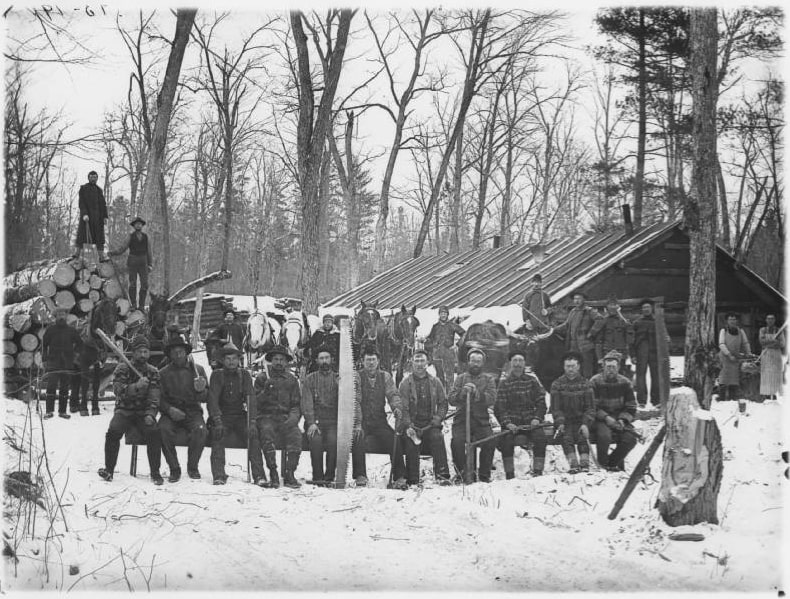
The initial foray into Wisconsin’s forests was characterized by rudimentary methods and incredible human effort. Loggers, often referred to as “shanty boys,” ventured deep into the wilderness, establishing temporary camps where they would spend grueling winters felling trees. The work was arduous, dangerous, and isolated, but the promise of good wages drew thousands from across the nation and even from overseas. These early operations laid the groundwork for the massive industry that would soon dominate the state.
As demand surged, so did the ambition of a new breed of entrepreneurs. These were the men who would become the 19th century timber barons, visionaries who saw beyond individual trees to entire forests as commodities. They invested heavily in land, equipment, and labor, transforming logging from a localized activity into a large-scale industrial enterprise. Their foresight and ruthlessness would shape the future of Wisconsin.
The Chippewa Valley: Heart of the Pine Kingdom
While logging spread across northern Wisconsin, one region stood out as the undisputed epicenter of the industry: the Chippewa Valley. Fed by the mighty Chippewa River and its tributaries, this valley boasted an unparalleled concentration of prime timberland. The river system itself was a natural highway, providing the essential means to transport countless logs from the remote forests downstream to the sawmills. The history of the Chippewa Valley is inextricably linked to the timber industry.
Towns like Eau Claire, Chippewa Falls, and Menomonie became bustling hubs of activity, growing rapidly due to the influx of loggers, mill workers, and associated businesses. The roar of sawmills, the splash of logs hitting the river, and the shouts of river drivers were the constant sounds of progress. The Chippewa River alone carried more logs than any other river in the world during the peak of the boom, solidifying the valley’s reputation as the “Pine Kingdom.” This geographic advantage was a critical factor in the rapid accumulation of wealth and power by the region’s prominent timber families.
Life in the Camps: More Than Just Lumberjacks
Life in the logging camps of the Chippewa Valley was a brutal yet vibrant existence. These were self-contained communities, often deep in the wilderness, where men lived and worked from dawn till dusk, six days a week. The typical camp consisted of a bunkhouse, a cook shanty, a blacksmith shop, and stables for the horses or oxen. Conditions were primitive, with cramped quarters, limited hygiene, and a diet heavy on beans, salt pork, and bread.
The work itself was incredibly dangerous. Felling massive trees with axes and two-man saws, hauling them through deep snow, and then guiding them down treacherous rivers during the spring thaw were tasks that demanded immense strength, skill, and courage. Accidents were common, and severe injuries or even death were ever-present risks. Yet, despite the hardships, a strong camaraderie often developed among the lumberjacks, fostered by shared challenges and the isolation of camp life. Many men were drawn by the relatively high wages, hoping to save enough to buy their own land or support their families.
The Rise of the Barons: Power, Wealth, and Influence
The men who became the 19th century timber barons were a unique breed. They were often astute businessmen, relentless negotiators, and sometimes ruthless operators. Figures like Frederick Weyerhaeuser, Orrin Ingram, and the Knapp, Stout & Co. partners amassed staggering fortunes, controlling vast tracts of forest and entire river systems. Their success wasn’t just about cutting trees; it was about strategic land acquisition, efficient mill operations, and mastering the complex logistics of getting lumber to market.
These barons wielded immense power, influencing state politics, shaping local economies, and even dictating the lives of thousands of workers. They built grand mansions, funded civic projects, and established lasting institutions, often leaving a complicated legacy of both progress and exploitation. Their stories are central to understanding the economic development of Wisconsin and the broader American Gilded Age.
The Darker Side: Exploitation and Environmental Impact
While the logging boom brought prosperity to many and laid the foundation for modern Wisconsin, it also had a darker, less celebrated side. The hidden history of this era reveals significant social and environmental costs. Labor conditions, while offering wages, were often exploitative. Workers faced long hours, dangerous conditions, and little recourse for injury. Company stores often kept loggers in debt, and unions were fiercely resisted. The promise of wealth for the few often came at the expense of the many.
Environmentally, the impact was catastrophic. The relentless pursuit of timber led to widespread deforestation, transforming ancient forests into barren landscapes. Clear-cutting practices, combined with frequent forest fires fueled by logging debris, decimated ecosystems. Wildlife habitats were destroyed, and soil erosion became a significant problem, altering river systems and agricultural potential for decades to come. This era serves as a stark reminder of the environmental consequences of unchecked industrial expansion, highlighting a critical aspect of Chippewa Valley history that often gets overlooked.
Echoes of the Past: Legacy of the Logging Boom
The logging boom of the 19th century fundamentally reshaped Wisconsin. It fueled the growth of towns and cities, established crucial transportation networks, and attracted waves of immigrants who helped build the state. The economic engine it created diversified into other industries as the timber resources waned. While the vast pine forests are largely gone, replaced by a mix of hardwoods and managed forests, the legacy of the logging era is still visible.
Many of the stately homes in cities like Eau Claire and Chippewa Falls stand as monuments to the wealth generated by timber. The very layout of these cities, their industrial infrastructure, and even their cultural heritage bear the imprint of the loggers and barons who built them. The boom also sparked early conservation movements, as people began to realize the finite nature of natural resources, leading to the establishment of state parks and forest management practices that continue today. Understanding this period is essential for comprehending the roots of Wisconsin’s identity.
Uncover More Forgotten Stories
The story of Wisconsin’s logging boom is a compelling narrative of ambition, hardship, and profound transformation. It’s a testament to the power of industry and the resilience of the human spirit, but also a cautionary tale about resource management and social justice. The hidden history of Wisconsin’s logging boom offers invaluable insights into how our modern communities were forged, often through raw power and relentless effort. The tales of the 19th century timber barons, the grit of logging camp life, and the pivotal role of the Chippewa Valley are more than just historical facts; they are foundational stories that continue to resonate.
Discover more forgotten local history by subscribing to our weekly deep-dive newsletter! Unearth the fascinating stories that shaped our region, delivered directly to your inbox.