
The Hidden Heroes: Revealing the Untold Stories of World War 2 Female Codebreakers
The roar of battle, the strategic maneuvers of generals, and the sacrifice of soldiers often dominate our perception of World War 2. Yet, beneath the surface of overt conflict, another war was waged – a silent, intellectual battle fought in dimly lit rooms, against the most complex ciphers of the enemy. This was the war of intelligence, a realm traditionally associated with men in trench coats and hushed whispers. However, the true narrative of this secret war reveals a profoundly different reality: thousands of women, with their extraordinary intellect and unwavering dedication, formed the backbone of Allied cryptology. These untold stories of World War 2 female cryptographers represent some of the most vital, yet largely forgotten, contributions to the Allied victory.
From the hallowed, secretive halls of Bletchley Park in England to the bustling, clandestine operations in Washington D.C., women from all walks of life stepped forward. They were mathematicians, linguists, teachers, housewives, and even crossword puzzle enthusiasts, recruited for their sharp minds and meticulous attention to detail. These WWII codebreakers cracked seemingly unbreakable codes, providing intelligence that shortened the war, saved countless lives, and fundamentally altered the course of history. Their work, shrouded in decades of official secrecy, is now slowly coming to light, revealing them as the true forgotten WWII heroes they are. This article delves into their remarkable journey, shining a much-deserved spotlight on the women in WWII intelligence who mastered the art of cryptanalysis and helped secure freedom for the world.
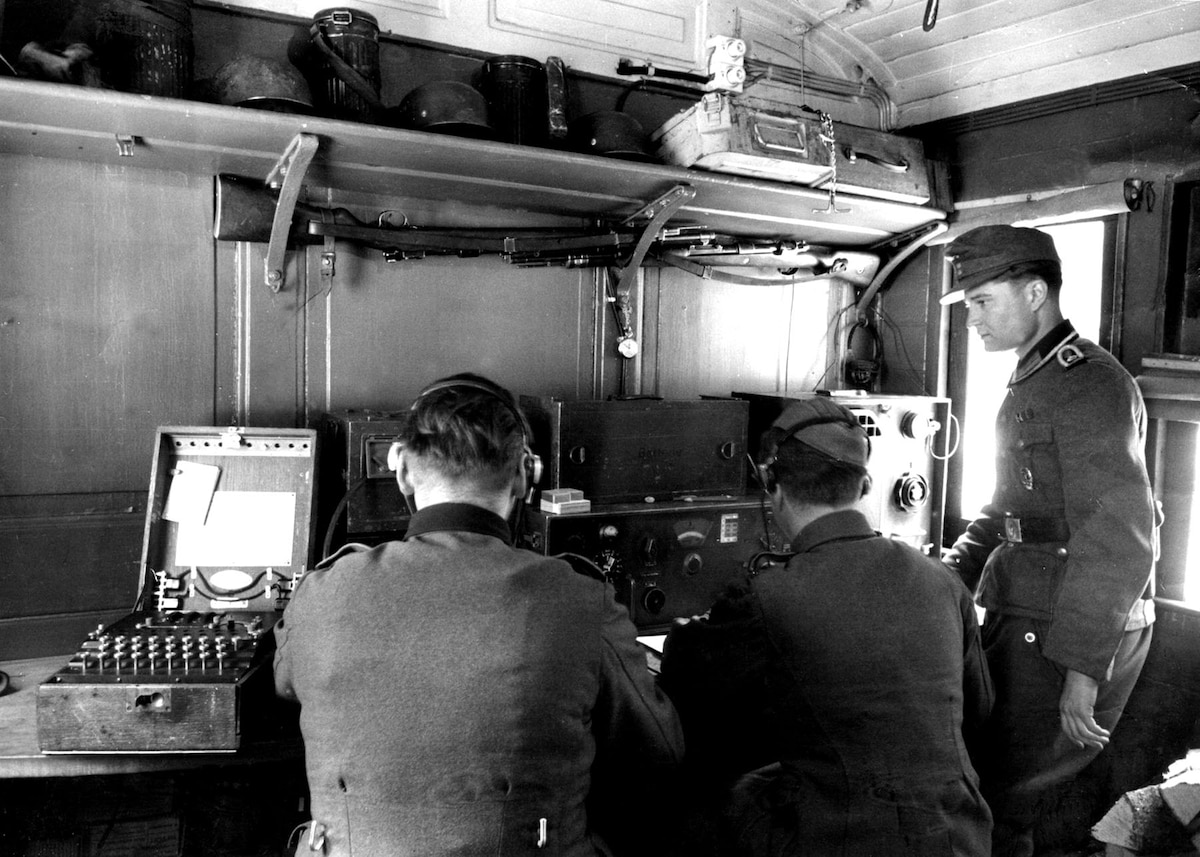
Beyond the Battlefront: The Critical Role of WWII Codebreakers
In the crucible of World War 2, information was power, and timely intelligence could mean the difference between victory and defeat. Both Allied and Axis powers relied heavily on encrypted communications to transmit vital strategic, tactical, and logistical messages. Breaking these codes, a discipline known as cryptanalysis, became paramount. It was a race against time and intellect, where every deciphered message offered a glimpse into enemy intentions, troop movements, and technological advancements.
The sheer volume and complexity of enemy communications, particularly those generated by sophisticated machines like the German Enigma and Lorenz, demanded an unprecedented scale of effort. This wasn’t a task for a handful of brilliant minds; it required an army of dedicated individuals capable of meticulous analysis, pattern recognition, and relentless problem-solving. It was this demand that opened doors for women, who, despite societal norms, proved to be exceptionally suited for the demanding work of codebreaking. Their ability to focus, their patience with repetitive tasks, and often their superior linguistic and mathematical skills, quickly made them indispensable members of the intelligence machine. Understanding the broader context of intelligence gathering in World War 2 reveals just how pivotal these women truly were.

Bletchley Park: The Heart of British Cryptography and Female Ingenuity
Perhaps the most iconic symbol of Allied codebreaking efforts is Bletchley Park, the top-secret British government facility located in Buckinghamshire. At its peak, Bletchley Park employed around 10,000 people, and a staggering 75% of them were women. They came from diverse backgrounds, recruited through unconventional means, including newspaper crossword competitions, university networks, and personal recommendations. These women, often young and fresh out of school, were plunged into a world of intense secrecy and intellectual rigor.
Their roles at Bletchley Park were varied and highly specialized. While a few brilliant male mathematicians like Alan Turing and Tommy Flowers often receive the most recognition for their conceptual breakthroughs, it was the legions of women who operated the revolutionary machines, meticulously processed intercepted messages, and performed the gruelling, repetitive tasks essential for cryptanalysis. They were the engine that drove the codebreaking factory, transforming raw intercepts into actionable intelligence.
The Enigma Machine: Women at the Forefront of Breaking the Unbreakable
The German Enigma machine, with its complex rotor system, was designed to be virtually unbreakable. Yet, at Bletchley Park, women played a central role in its decryption. Thousands of Women’s Royal Naval Service (WRENS), Women’s Auxiliary Air Force (WAAF), and Auxiliary Territorial Service (ATS) personnel, alongside civilian women, were trained to operate the Bombe machines. These electro-mechanical devices, designed by Alan Turing and Gordon Welchman, were crucial for discovering the daily settings of the Enigma.
The work was physically and mentally demanding. Women like Mavis Lever (later Batey) and Margaret Rock were instrumental in identifying “cribs” – likely plain text phrases corresponding to encrypted messages – which were essential for the Bombe to work its magic. Others meticulously wired the Bombe machines each morning, a process that required absolute precision and speed. They listened to garbled German Morse code, typed out intercepted messages, and then fed the results into the Bombe. The rhythmic clatter of these machines, operated predominantly by women, was the sound of the war being shortened. Their efforts provided crucial “Ultra” intelligence, impacting battles from the Battle of the Atlantic to the D-Day landings.
Decoding Lorenz: The Challenge of Tunny and the Women of the Newmanry
Beyond Enigma, the Germans also used the even more complex Lorenz cipher machine, code-named “Tunny” by the British. This teleprinter cipher, used for high-level communications between Hitler and his generals, presented an even greater challenge. The decryption of Lorenz messages became the focus of the “Newmanry” at Bletchley Park, named after its head, Max Newman.
Here again, women were at the heart of the operation. They meticulously analyzed patterns in the encrypted Lorenz messages, a painstaking process often performed with paper and pencil before the advent of electronic aids. Once the world’s first programmable electronic computer, Colossus, was developed to automate parts of this process, women were its primary operators. They loaded paper tapes containing intercepted messages onto the Colossus machines, monitored their intricate operations, and recorded the results. Their unwavering attention to detail and their ability to work under immense pressure were critical in unraveling the secrets of Tunny, providing intelligence that was vital for the strategic bombing campaigns and the final push towards victory.
Across the Pond: American Women in WWII Intelligence
While Bletchley Park is often the most celebrated, American women also made immense contributions to cryptology, though their stories are even less widely known. The United States government, facing its own urgent need for codebreakers, recruited thousands of women into both military and civilian roles.
WAVES and WACs: Breaking Codes for the U.S. Navy and Army
The Women Accepted for Volunteer Emergency Service (WAVES) in the U.S. Navy and the Women’s Army Corps (WACs) in the U.S. Army saw a significant proportion of their recruits assigned to cryptologic duties. At facilities like Arlington Hall Station in Virginia, which became the nerve center for U.S. Army cryptanalysis, and various naval intelligence units, women worked tirelessly to break Japanese and German codes.
Thousands of WAVES, for example, were trained in cryptanalysis, traffic analysis, and communications intelligence. They tackled Japanese naval codes, including the JN-25 code, which was crucial for understanding Japanese fleet movements and intentions in the Pacific. Their meticulous work provided advance warning of Japanese attacks and helped plan Allied counter-offensives, directly contributing to pivotal victories like the Battle of Midway. Similarly, WACs contributed significantly to Army intelligence, handling intercepted enemy messages and assisting in their decryption and translation.
Civilian Analysts and the OSS: Diverse Talents in Secret Warfare
Beyond the uniformed services, many civilian women were recruited directly into intelligence agencies, such as the Signal Intelligence Service (SIS) and later the Office of Strategic Services (OSS), the precursor to the CIA. These women brought a wide array of skills, including expertise in foreign languages, mathematics, and even liberal arts degrees that honed their analytical capabilities.
They performed critical roles ranging from linguists and translators to research analysts and administrative support, all within the highly secretive world of intelligence. Their work involved not only the technical aspects of codebreaking but also the crucial task of intelligence synthesis – piecing together fragments of information to form a coherent picture of enemy operations. Their presence underscored the fact that intelligence work required diverse talents and perspectives, often found in unexpected places.
The Scope of Their Contributions: More Than Just Decoders
The impact of these women in WWII intelligence extended far beyond simply deciphering messages. Their contributions were multifaceted, forming an indispensable part of the Allied war effort.
Traffic Analysis and Intelligence Gathering
Many women were engaged in traffic analysis, a critical precursor to codebreaking. This involved tracking the patterns of enemy radio transmissions – who was sending messages to whom, at what times, and from where. By observing these patterns, they could deduce the structure of enemy units, their locations, and even their operational readiness, even if the content of the messages remained encrypted. This intelligence was invaluable for strategic planning and tactical deployment.
Administrative and Support Roles
While not directly breaking codes, thousands of women filled essential administrative, logistical, and technical support roles. They managed files, maintained equipment, typed decrypted messages, and ensured the smooth operation of these vast, complex intelligence centers. Without their efficient and dedicated work, the core cryptanalytic efforts would have ground to a halt. These “invisible” roles were just as vital to the overall success.
The Human Element: Secrecy, Sacrifice, and Sisterhood
The women codebreakers operated under extraordinary conditions of secrecy. Bound by the Official Secrets Act, they could not speak about their work, even to family members, for decades after the war. This enforced silence meant that their immense contributions went unrecognized, both publicly and personally. They carried the weight of national security on their shoulders, often working long hours, enduring intense pressure, and knowing that a single mistake could have catastrophic consequences. This shared experience fostered a unique sense of camaraderie and sisterhood among them, a bond forged in shared purpose and profound secrecy.
The Veil of Secrecy: Why Their Stories Remained Untold for So Long
For nearly half a century after the war ended, the stories of these incredible women remained largely hidden. The reasons for this prolonged silence are complex and layered. Primarily, national security concerns dictated that the methods and successes of Allied codebreaking remain top secret to protect future intelligence capabilities. The Official Secrets Act in Britain, for instance, legally bound individuals to silence.
Furthermore, post-war societal norms often downplayed women’s wartime contributions, preferring to revert to traditional gender roles. The narrative of war heroes often focused exclusively on combatants, overlooking the crucial intellectual battles fought behind the lines. Many women themselves, having been sworn to secrecy, simply returned to their lives, never speaking of their extraordinary wartime experiences. This combination of official secrecy, societal expectations, and personal discretion ensured that these forgotten WWII heroes remained largely anonymous, their vital roles unacknowledged in mainstream historical accounts.
Rekindling the Legacy: Honoring the Forgotten WWII Heroes
Fortunately, in recent decades, the veil of secrecy has slowly lifted. Declassified documents, personal testimonies, and dedicated historical research have begun to reveal the full extent of the untold stories of World War 2 female cryptographers. Books, documentaries, and museum exhibits, particularly at Bletchley Park itself, are now dedicated to honoring these remarkable women.
Their legacy is not just one of historical accuracy; it is one of inspiration. These women shattered gender stereotypes, demonstrating that intellectual prowess, dedication, and courage were not confined by gender. Their work fundamentally altered the course of the war, saving countless lives and contributing immeasurably to the Allied victory. Recognizing their contributions provides a more complete and accurate picture of World War 2, reminding us that heroes come in many forms and often operate in the shadows. It’s a powerful testament to the impact of collective human ingenuity and resilience.
Frequently Asked Questions About WWII Female Codebreakers
How many women worked as codebreakers in WWII?
It’s estimated that thousands of women worked in cryptology during WWII. At Bletchley Park alone, women constituted about 75% of the 10,000 staff, meaning approximately 7,500 women were involved in some capacity. Similarly, thousands of American women served in cryptologic roles within the WAVES, WACs, and as civilian analysts.
What was the main contribution of women at Bletchley Park?
The main contribution of women at Bletchley Park was operating the complex codebreaking machinery, such as the Bombe and Colossus machines, and performing the meticulous, repetitive tasks essential for cryptanalysis. This included tasks like traffic analysis, transcribing intercepted messages, identifying “cribs” (likely plain text segments), and managing the vast flow of intelligence. Their dedication transformed raw intercepts into actionable intelligence.
Why were their stories kept secret for so long?
Their stories were kept secret primarily due to the Official Secrets Act in Britain and similar national security directives in the U.S., which aimed to protect the methods and successes of Allied codebreaking for future intelligence operations. Additionally, post-war societal norms often overlooked women’s contributions outside traditional roles, and many women themselves honored their vows of secrecy, never speaking of their work.
Are there any surviving female WWII codebreakers?
Yes, while their numbers are dwindling, some incredibly resilient female WWII codebreakers are still alive today. Many are now in their late 90s or over 100 years old. Their personal testimonies and interviews have been invaluable in bringing their experiences to light and ensuring their stories are preserved for future generations.
Conclusion
The story of World War 2 is far richer and more complex than traditional narratives often suggest. The untold stories of World War 2 female cryptographers are a powerful testament to the extraordinary capabilities and unwavering dedication of women who served on the intellectual front lines. From the clatter of the Bombe machines at Bletchley Park to the meticulous analysis of Japanese codes in Washington D.C., these WWII codebreakers played an absolutely indispensable role in the Allied victory. They were the unsung heroes, operating in the shadows, bound by secrecy, yet their impact resonated across battlefields and diplomatic tables, saving countless lives and shortening the greatest conflict in human history.
As we continue to unravel the secret war history of World War 2, it is crucial that we never forget the immense contributions of these forgotten WWII heroes. Their intelligence, perseverance, and sacrifice deserve to be recognized and celebrated, not just for historical accuracy, but as an enduring source of inspiration. Their legacy reminds us that courage and intellect know no gender, and that true heroism often resides in the quiet, painstaking work that shifts the tide of destiny.
Share Their Legacy
Their courage and intellect changed the world. Share this untold story to help keep their incredible memory alive. Let us ensure that the legacy of these extraordinary women finally receives the recognition it so profoundly deserves.