
Unearthing Blood on the Tracks: Overlooked 19th-Century American Labor Events
The 19th century in America often conjures images of westward expansion, industrial innovation, and a burgeoning national identity. Yet, beneath this narrative of progress lay a starker reality for millions: the relentless grind of industrial labor, often under brutal conditions. While many historical accounts rightly celebrate entrepreneurial spirit and technological advancement, they frequently gloss over, or outright omit, the dramatic and often violent struggles of the working class. These forgotten events represent a crucial, yet often suppressed, chapter in the nation’s development.
This article delves into the harrowing world of early US labor strikes and railroad worker uprisings, revealing the profound working class struggles that shaped the American industrial landscape. We will unearth the stories of men, women, and children who risked everything to demand fair treatment, exploring the causes, course, and lasting impact of these pivotal, yet overlooked, moments. From the sprawling railway networks that became the arteries of commerce to the mines that fueled them, the blood on the tracks of 19th-century America tells a gripping tale of resistance, repression, and the enduring fight for dignity.
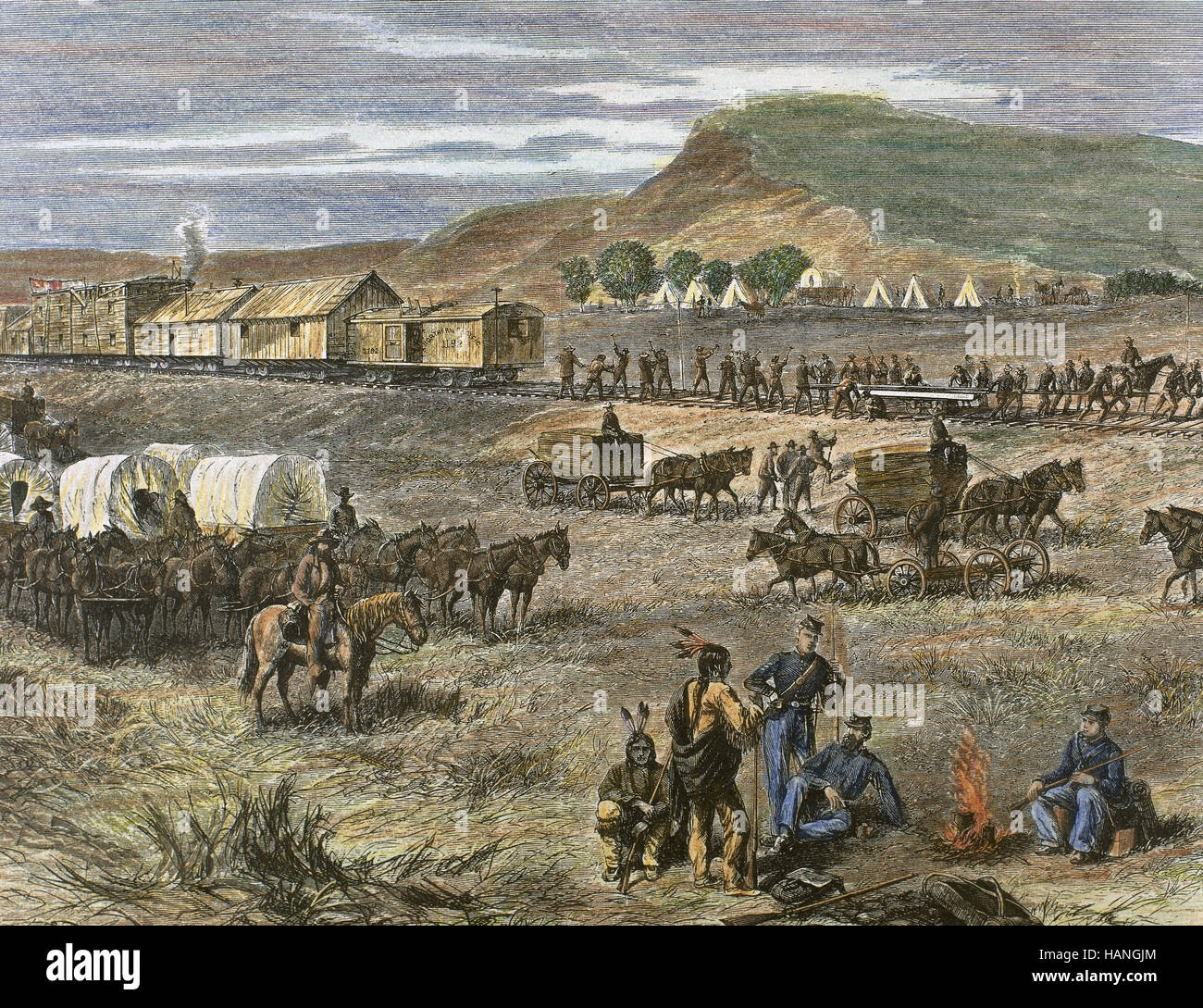
The Iron Veins of a Nation: Railroads and Early Labor Strife
The rapid expansion of the American railroad system in the 19th century was nothing short of revolutionary. It connected markets, transported goods, and moved people at unprecedented speeds, fundamentally transforming the nation’s economy and geography. By the 1870s, railroads were the largest employers outside of agriculture, commanding immense power and wealth. However, this progress came at a steep cost to the very laborers who built and operated these iron arteries.

A System Built on Sweat and Steel: Worker Conditions
For the men who laid the tracks, stoked the engines, and managed the freight, life was a relentless cycle of long hours, low wages, and perilous working conditions. A typical railroad worker might labor 12 to 16 hours a day, seven days a week, often for meager pay that barely covered basic necessities. Accidents were commonplace, with derailments, collisions, and machinery malfunctions leading to countless injuries and fatalities. There was little to no job security, no insurance, and certainly no collective bargaining power. Companies frequently cut wages, especially during economic downturns, further exacerbating the plight of their employees. This systemic exploitation created a powder keg of resentment, setting the stage for widespread early US labor strikes and powerful railroad worker uprisings that would shake the nation to its core.
The Great Railroad Strike of 1877: A Nation Ablaze
Among the most significant, yet often under-emphasized, forgotten events in American history is the Great Railroad Strike of 1877. This was not merely a localized dispute; it was the nation’s first major nationwide strike, an explosion of working-class frustration that spread like wildfire across multiple states.
The immediate catalyst was a series of wage cuts imposed by the major railroad companies in the wake of the Long Depression, which began in 1873. On July 14, 1877, workers of the Baltimore & Ohio (B&O) Railroad in Martinsburg, West Virginia, walked off the job in protest of their second 10% wage cut in as many months. Their actions quickly inspired workers on other lines, and within days, the strike had paralyzed rail traffic from Maryland to Illinois.
As the strike gained momentum, it transcended railroad workers and drew in unemployed laborers, sympathetic citizens, and even small business owners who felt the squeeze of corporate power. Cities like Pittsburgh, St. Louis, and Chicago became battlegrounds. In Pittsburgh, local militia units, ordered to suppress the strike, clashed violently with strikers and their supporters, leading to widespread destruction of railroad property and dozens of deaths.
The federal government, at the behest of railroad executives, intervened decisively. President Rutherford B. Hayes deployed federal troops, marking the first time the U.S. Army was used to break a nationwide strike. This unprecedented move highlighted the powerful alliance between industrial capital and government authority, setting a precedent for future labor disputes. The strike was ultimately crushed, but not before exposing the raw power of collective action and the government’s willingness to use force to protect corporate interests. The railroad worker uprisings of 1877, though brutally suppressed, laid bare the deep fissures in American society and signaled the dawn of a new era of industrial conflict.
The Battle for the Coalfields: Molly Maguires and the Anthracite Wars
While the railways were the arteries, the coal mines were the heart of 19th-century American industry, fueling everything from locomotives to factories. In the anthracite coalfields of Pennsylvania, another dramatic and often suppressed labor history unfolded, involving a shadowy organization known as the Molly Maguires.
During the 1860s and 1870s, Irish immigrant miners in Pennsylvania faced appalling conditions. They toiled in dangerous, poorly ventilated mines for meager wages, often paid in company script redeemable only at company stores, effectively trapping them in a cycle of debt. Any attempts at unionization or protest were met with fierce resistance from powerful coal operators, who employed private police forces like the notorious Pinkerton Detective Agency to intimidate and suppress dissent.
In this oppressive environment, a secret society known as the Molly Maguires emerged. While their exact origins and nature remain debated by historians, they are widely believed to have been a militant labor organization, possibly an offshoot of the Ancient Order of Hibernians, that sought to improve conditions through clandestine means. They were accused of acts of sabotage, intimidation, and even murder against mine bosses and their allies.
The response from the coal companies and the state was swift and brutal. Frank Gowan, president of the Philadelphia and Reading Coal and Iron Company, hired a Pinkerton agent, James McParland, to infiltrate the organization. McParland’s testimony, often contested for its veracity, led to a series of sensational trials. Between 1877 and 1878, 20 alleged Molly Maguires were convicted and hanged, many on questionable evidence and in biased courts.
The story of the Molly Maguires is a powerful example of suppressed labor history. Were they terrorists, as painted by the coal barons and contemporary press, or desperate men fighting for survival against an all-powerful industrial machine? The trials and executions effectively broke the back of labor organizing in the coalfields for decades. Their legacy remains a poignant reminder of the extreme measures taken by both sides in the working class struggles of the 19th century.
Pullman and Homestead: Echoes of Industrial Conflict
The Great Railroad Strike of 1877 and the Molly Maguires were not isolated incidents but rather precursors to a pattern of intense industrial conflict that defined the late 19th century. Two other significant, though sometimes overshadowed, early US labor strikes highlight the ongoing battle between labor and capital: the Homestead Strike of 1892 and the Pullman Strike of 1894.
The Pullman Strike of 1894: A Company Town’s Rebellion
The Pullman Strike of 1894 was another pivotal railroad worker uprising, demonstrating the vulnerabilities of a system dependent on rail transport. George Pullman, owner of the Pullman Palace Car Company, built a model company town near Chicago, providing housing, shops, and services for his employees. However, when the Panic of 1893 hit, Pullman cut wages by nearly 25% but refused to lower rents or prices in his company town, effectively trapping his workers in a cycle of debt.
In May 1894, workers walked out. The American Railway Union (ARU), led by the charismatic Eugene V. Debs, organized a nationwide boycott of Pullman cars. Union members refused to handle trains with Pullman cars, effectively bringing much of the nation’s rail traffic to a standstill. Echoing the events of 1877, the federal government intervened, issuing an injunction against the strike on the grounds that it interfered with the delivery of mail. President Grover Cleveland dispatched federal troops, leading to violent clashes, property destruction, and numerous deaths. Debs and other ARU leaders were arrested, effectively crushing the strike. The Pullman Strike further solidified the government’s role as an enforcer of corporate interests against labor.
The Homestead Strike of 1892: Steel and Blood
Two years earlier, the Homestead Strike of 1892 had already etched itself into the annals of working class struggles. This conflict occurred at Andrew Carnegie’s Homestead Steel Works in Pennsylvania, managed by Henry Clay Frick. Frick, determined to break the Amalgamated Association of Iron and Steel Workers union, locked out workers and hired 300 Pinkerton agents to protect the plant and bring in strikebreakers.
On July 6, 1892, a pitched battle erupted between the Pinkertons and the striking workers, resulting in a bloody firefight that left at least 10 people dead. The Pinkertons were eventually forced to surrender. However, the victory was short-lived. The Governor of Pennsylvania deployed the state militia, effectively seizing control of the town and factory. The strike ultimately failed, devastating the union and setting back organized labor in the steel industry for decades. The Homestead Strike remains a stark reminder of the lengths to which industrialists would go to suppress labor and the brutal costs incurred by workers.
The Legacy of Suppression: Why These Stories Matter
These forgotten events in American history from the 1800s, particularly these early US labor strikes and railroad worker uprisings, are more than just footnotes; they are foundational to understanding the trajectory of American society. The Great Railroad Strike of 1877, the Molly Maguires, the Homestead Strike, and the Pullman Strike collectively illustrate a period of intense working class struggles and a concerted effort to create a suppressed labor history.
These events revealed several critical truths:
- The immense power of industrial capital: Railroad and coal magnates wielded incredible economic and political influence.
- The willingness of the government to intervene on behalf of capital: The repeated use of state militias and federal troops against strikers established a clear pattern.
- The brutal cost of resistance: Workers faced violence, imprisonment, blacklisting, and poverty for daring to demand better conditions.
- The nascent power of organized labor: Despite severe setbacks, these struggles laid the groundwork for future unionization efforts and eventually, significant labor reforms.
By examining this suppressed labor history, we gain a more complete and nuanced understanding of America’s past. These struggles were not isolated incidents but interconnected battles in a long war for economic justice and human dignity. They shaped labor laws, influenced political discourse, and ultimately contributed to the rise of the modern labor movement. Ignoring them diminishes the sacrifices of countless individuals and distorts our perception of how the nation truly developed.
Conclusion: Remembering the Blood on the Tracks
The 19th century was a period of extraordinary growth and profound upheaval in America. While the triumphs of industry are often celebrated, it is equally vital to remember the immense human cost and the fierce working class struggles that accompanied this progress. The “blood on the tracks” of the overlooked 19th-century American labor events—the spontaneous fury of the 1877 railroad workers, the clandestine battles of the Molly Maguires, and the desperate stands at Homestead and Pullman—represent the sacrifices made by ordinary people in their fight for a more equitable future.
These forgotten events remind us that progress is often forged in conflict, and that the rights and protections workers enjoy today were hard-won through generations of struggle. By unearthing these stories, we honor the courage of those who dared to challenge the status quo and gain a deeper appreciation for the complex, often brutal, forces that shaped the nation we inhabit. Their resilience against overwhelming odds stands as a testament to the enduring human spirit and the relentless pursuit of justice.