The Everyday Objects Inside Your Medicine Cabinet: What They Are, Why They Matter, and How to Use Them Safely
Did you know the average household medicine cabinet contains over a dozen items that can either support quick at-home care or pose risks if stored or used incorrectly? This comprehensive guide walks you through the most common objects found in medicine cabinets, explains their proper use and storage, highlights safety and expiration considerations, and offers practical checklists to keep your family safe and prepared. Whether you’re setting up your first home, auditing an existing cabinet, or caring for aging loved ones, you’ll learn what to keep, what to throw away, and how to organize for quick, safe access.

What You’ll Learn
- Common categories of items found in a medicine cabinet and why they belong there
- How to store medications and supplies safely and effectively
- Expiration rules, disposal options, and when to replace items
- How to assemble a compact, well-organized medicine cabinet for everyday needs and emergencies
- Quick safety checklist and recommended products
- Pain relievers / fever reducers: Acetaminophen and NSAIDs (ibuprofen, naproxen). Use for headaches, fevers, minor aches. Store in original containers; watch for dosing differences by age.
- Antihistamines: Cetirizine, loratadine, diphenhydramine for allergies. Note sedation risk with first-generation agents (diphenhydramine).
- Antacids and acid reducers: Tums, H2 blockers (famotidine), PPIs (omeprazole). Keep for occasional heartburn; PPIs are for longer-term use under guidance.
- Cough and cold remedies: Decongestants, cough suppressants, expectorants. Avoid multiple products with overlapping ingredients; check labels for children.
- Topical analgesics: Creams or sprays containing menthol or capsaicin for minor musculoskeletal pain.
- Label-forward storage and a medication list reduce confusion and prevent accidental ingestion.
- For controlled substances, consider a lockbox and proper disposal of unused pills (DEA take-back or pharmacy disposal programs).
- Adhesive bandages (assorted sizes)
- Sterile gauze pads and medical tape
- Antiseptics: alcohol wipes, povidone-iodine, or chlorhexidine swabs
- Hydrogen peroxide (limited use for wound cleaning) and sterile saline for irrigation
- Antibiotic ointment (bacitracin, polymyxin B, neomycin—be aware of allergy risk to neomycin)
- Elastic bandage (ACE wrap) and cold pack (reusable or single-use)
- Digital thermometer (oral, tympanic, or temporal)
- Tweezers (for splinter removal) and small scissors (medical-grade)
- Flashlight or headlamp for examinations
- Gloves (nitrile) for wound care
- Disposable resuscitation device (pocket mask) if trained to use it
- Moisturizers for dry or compromised skin
- Sunscreen (broad-spectrum SPF 30+)
- Eye drops for dryness or irritation (preservative-free options for contact lens wearers)
- Contact lens solution and case (rotate regularly)
- EpiPen or auto-injectable epinephrine for known anaphylaxis (check expiration; register replacements)
- Inhalers and nebulizer supplies for asthma/COPD
- Glucose gel or glucometer supplies if someone has diabetes
- Keep medications in their original containers with labels intact for dosing, expiration dates, and lot numbers.
- Store at recommended temperatures. Most meds require room temperature (59–86°F / 15–30°C). Avoid humid, hot places like the bathroom if possible—moisture and heat accelerate degradation.
- Protect from light. Some medicines are light-sensitive; opaque containers or a closed cabinet helps.
- Make critical items accessible but secure. Keep first-aid supplies reachable; lock up controlled substances and items risking harm to children or pets.
- Organize by category. Use small bins or labeled shelves for OTCs, first aid, prescriptions, and child/pet-specific items.
- Epinephrine auto-injectors — close to expiration they lose potency; replace before the date.
- Insulin and many biologics — follow storage and discard instructions after opening.
- Antibiotics — do not use after expiration; do not keep unfinished prescriptions.
- Sterile supplies — gauze, adhesive bandages can be used past date but discard if packaging is compromised.
- Topical products — creams and ointments can harbor bacteria after contamination; dispose if discolored, separated, or smelly.
- Drug Take-Back programs: Best option. Many communities offer DEA-authorized events or permanent pharmacy drop boxes.
- Authorized pharmacy disposal: Many chains accept unused medications for safe handling.
- Household disposal: If take-back isn’t available, mix medications with undesirable material (cat litter, coffee grounds) in a sealed bag and place in household trash; scratch out personal info on labels.
- Do not flush: Only flush if FDA guidance specifically recommends it for certain high-risk drugs (some opioids, fentanyl patches) and local wastewater guidance permits.
- Use child-resistant packaging and always re-secure caps.
- Store medications up and out of sight, or in locked cabinets.
- Keep dosing devices (oral syringes) with each medication to avoid cross-use and dosing errors.
- Educate children that medicines are not candy. Model safe behavior with prescriptions and OTCs.
- If a child or pet ingests medication, call your local poison control (U.S.: 1-800-222-1222) immediately.
- Gather all items from the cabinet and place them on a clean surface.
- Sort into categories: OTC, prescription, first aid, personal care, specialty.
- Check labels for expiration dates and discard expired or compromised items safely.
- Wipe down shelves and containers with a mild disinfectant and dry completely.
- Re-stock essentials using a dedicated bin for frequently used items and a separate bin for prescriptions.
- Place emergency items (EpiPen, inhaler) in a known, accessible location; log expiration dates on a calendar or phone reminder.
- Current prescription medications required by household members
- Basic OTCs for pain, fever, allergies, and indigestion
- First aid supplies for wound care
- Essential specialty items (epinephrine, inhaler, glucose gel)
- Expired medicines or any item with compromised packaging
- Old leftover antibiotics or controlled substances—dispose properly
- Large bottles of single-use items you won’t use—purchase smaller sizes
- Child-inappropriate or pet-toxic products in accessible locations
- Choose reputable brands or generics with clear labeling and lot numbers.
- Look for FDA-approved products (where applicable) and read active ingredient lists to avoid duplication.
- For topical products, choose preservative-free or fragrance-free options if you have sensitive skin.
- Purchase smaller quantities for seldom-used items to avoid waste.
- Internal link suggestions:
- “Home Safety Checklist” — anchor text: home safety checklist
- “How to Build a First Aid Kit” — anchor text: first aid kit guide
- “Managing Prescription Medicines” — anchor text: prescription management
- External authoritative links:
- U.S. Food & Drug Administration (FDA) — medication storage and expiration guidance (https://www.fda.gov)
- Centers for Disease Control and Prevention (CDC) — safe disposal of unused medications (https://www.cdc.gov)
- Poison Control (U.S.): 1-800-222-1222 and official poison control website (https://www.poison.org)
- Photo: Organized medicine cabinet with labeled bins — alt: “Organized medicine cabinet with labeled bins for OTC, prescriptions, and first-aid supplies.”
- Photo: Pediatric dosing syringe and thermometer — alt: “Pediatric dosing syringe and digital thermometer on a clean surface.”
- Infographic: Medicine cabinet audit checklist — alt: “Step-by-step medicine cabinet audit checklist infographic.”
- Use question headers: “What belongs in a medicine cabinet?” “How do I store medicines safely?”
- Provide concise, single-sentence answers under each question for featured snippet potential.
- Include localized resources (pharmacy disposal options) to capture transactional intent.
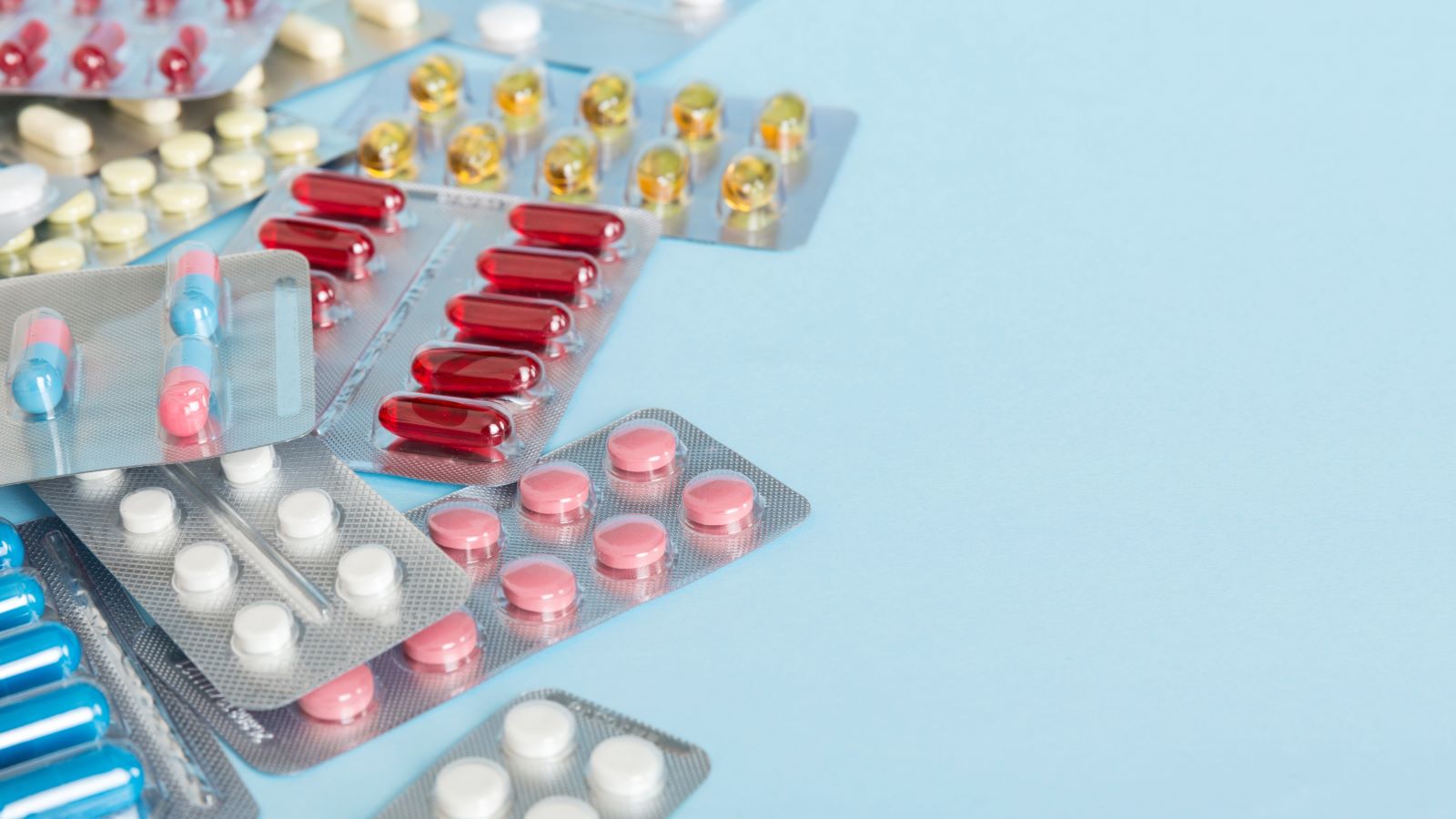
Why Your Medicine Cabinet Matters
Your medicine cabinet is more than a storage space — it’s a first-aid hub, a medication staging area, and often the place you go under stress. Proper contents and organization reduce treatment delays, prevent misuse, and protect children, pets, and guests.
Common Categories and Everyday Objects
This section breaks down the typical items you’ll find into categories, explains each item’s primary uses, and offers practical tips for selection and storage.
1. Over-the-Counter (OTC) Medications
OTC medications address common, non-life-threatening symptoms. Keep only what you use and replace expired products.
2. Prescription Medications
Prescription drugs should be stored separately, tracked for expiration, and kept in locked or child-safe containers if necessary. Keep a current list with dosing, prescribing physician, and pharmacy contact.
3. First-Aid Supplies
First-aid items treat minor injuries and stabilize serious injuries until help arrives. Replenish after use and check supplies annually.
4. Tools and Devices
Small tools help with routine care or emergency assessment. Keep them clean and accessible.
5. Personal Care and Hygiene Items
Products that maintain skin integrity and reduce infection risk.
6. Specialty Items
Tailored items for family members with specific needs.
Storage Best Practices: Temperature, Light, and Accessibility
How you store items affects potency and safety. Follow these practical guidelines:
Expiration Dates, Efficacy, and When to Replace Items
Expiration dates matter for safety and effectiveness, though some exceptions exist. Here’s a practical approach:
Understanding Expiration Labels
Manufacturers perform stability testing to assign expiration dates. For prescription drugs, dates are meaningful; don’t rely on old pills for serious conditions (e.g., nitroglycerin, epinephrine, insulin).
Which Items to Replace Promptly
When Old Medications Might Be Acceptable
Some tablets may retain potency beyond their expiration, but because you can’t easily verify potency at home, for anything important (heart medications, anticonvulsants) replace on schedule. For low-risk items—simple pain relievers—use judgment but prefer replacing periodically.
Safe Disposal and Drug Take-Back Options
Improper disposal (flushing meds or throwing them in the trash) can harm the environment or create diversion risks. Follow these disposal approaches:
Child and Pet Safety: Preventing Accidental Poisonings
Accidental ingestion is a leading cause of emergency visits. Take these steps:
Organizing Your Medicine Cabinet: A Step-by-Step Audit
Perform a routine audit every 6–12 months. Use the following checklist and workflow for a fast, effective audit:
Medicine Cabinet Audit Checklist
What to Keep vs. What to Toss
Not everything deserves a spot in your cabinet. Here’s a quick guide to decide.
Keep
Toss or Relocate
Practical Examples and Mini Case Studies
Three short real-world scenarios show how a well-stocked medicine cabinet can help.
Case 1: Rapid Allergy Response
Situation: A teenager develops facial swelling and hives after eating a new food. A stored epinephrine auto-injector is available immediately, and EMS is called. The epinephrine buys vital time until professional care arrives. Lesson: For known anaphylaxis or high-risk allergies, keep auto-injectors current and accessible.
Case 2: Child with Fever at Night
Situation: A toddler runs a high fever at midnight. The caregiver finds the correct weight-based acetaminophen dose in the medicine cabinet along with a pediatric dosing syringe and a digital thermometer. The child’s temperature is reduced and symptoms monitored; pediatrician is contacted in the morning. Lesson: Weight-specific dosing tools and thermometer availability simplify night-time care.
Case 3: Minor Cut While Gardening
Situation: A small but deep cut occurs while gardening. The cabinet contains sterile saline, gauze, and antibiotic ointment. The wound is gently irrigated, dressed, and tetanus status checked later with the primary care clinic. Lesson: Basic first-aid supplies support infection prevention and wound stabilization.
Choosing Brands and Products: What to Look For
Not all products are equal. Consider these selection tips:
Suggested Internal and External Links (SEO & Reader Value)
Include internal links to relevant site pages and authoritative external sources to improve SEO and credibility.
Image Suggestions and Accessibility (Alt Text Provided)
Images improve readability and help visual organization. Suggested images with alt text:
Mobile and Voice Search Optimization Tips
Many users will search for quick answers on mobile or via voice. Structure content with FAQs, short answers, and natural language to capture these queries.
Frequently Asked Questions (FAQ)
How often should I check my medicine cabinet?
Perform a full audit every 6–12 months and check expiration dates quarterly for emergency items like epinephrine and inhalers.
Can I store medicines in the bathroom?
Bathrooms are convenient but often humid. If possible, store medicines in a cool, dry area away from direct sunlight. If you must use the bathroom, choose a medicine cabinet with minimal humidity exposure and avoid shelving near the shower.
What should I do with leftover antibiotics?
Do not keep or save leftover antibiotics. Dispose of them via a drug take-back program and complete prescribed courses unless instructed otherwise by a clinician.
Are generic OTC drugs as good as brand-name versions?
Generics contain the same active ingredient and must meet regulatory standards. They are usually equivalent in efficacy and are a cost-effective option for most OTC needs.