
Uncovering Greed, Copper, and Tragedy: An Investigative History of the 1913 Italian Hall Disaster
On a bitterly cold Christmas Eve in 1913, joy turned to unspeakable horror in Calumet, Michigan. Seventy-three people, overwhelmingly children, lost their lives in a stampede at the Italian Hall, sparked by a false shout of “fire.” This wasn’t merely a tragic accident; it was a devastating chapter woven into the fabric of the brutal Calumet Michigan copper strike, a period marked by intense labor conflict, corporate greed, and a profound struggle for human dignity. For over a century, the 1913 Italian Hall disaster has remained a haunting open wound in American labor history, a potent symbol of the human cost exacted by unchecked industrial power. This investigative history delves into the events leading up to that fateful day, the disaster itself, and the enduring questions surrounding this tragedy, urging us to confront the corporate scandals and labor movement tragedies that shaped early 20th-century America.
The tragedy at the Italian Hall is more than a footnote in history; it’s a crucible where the forces of burgeoning capitalism, nascent labor movements, and raw human desperation collided. To understand the depth of this catastrophe, we must first journey into the heart of Michigan’s Copper Country, a region defined by its immense mineral wealth and the stark contrast between the opulent lives of mine owners and the perilous existence of their workers. This article will meticulously reconstruct the narrative, examining the economic landscape, the escalating tensions of the copper strike, and the chilling events of Christmas Eve, 1913, which left an indelible scar on a community and the nation’s conscience.
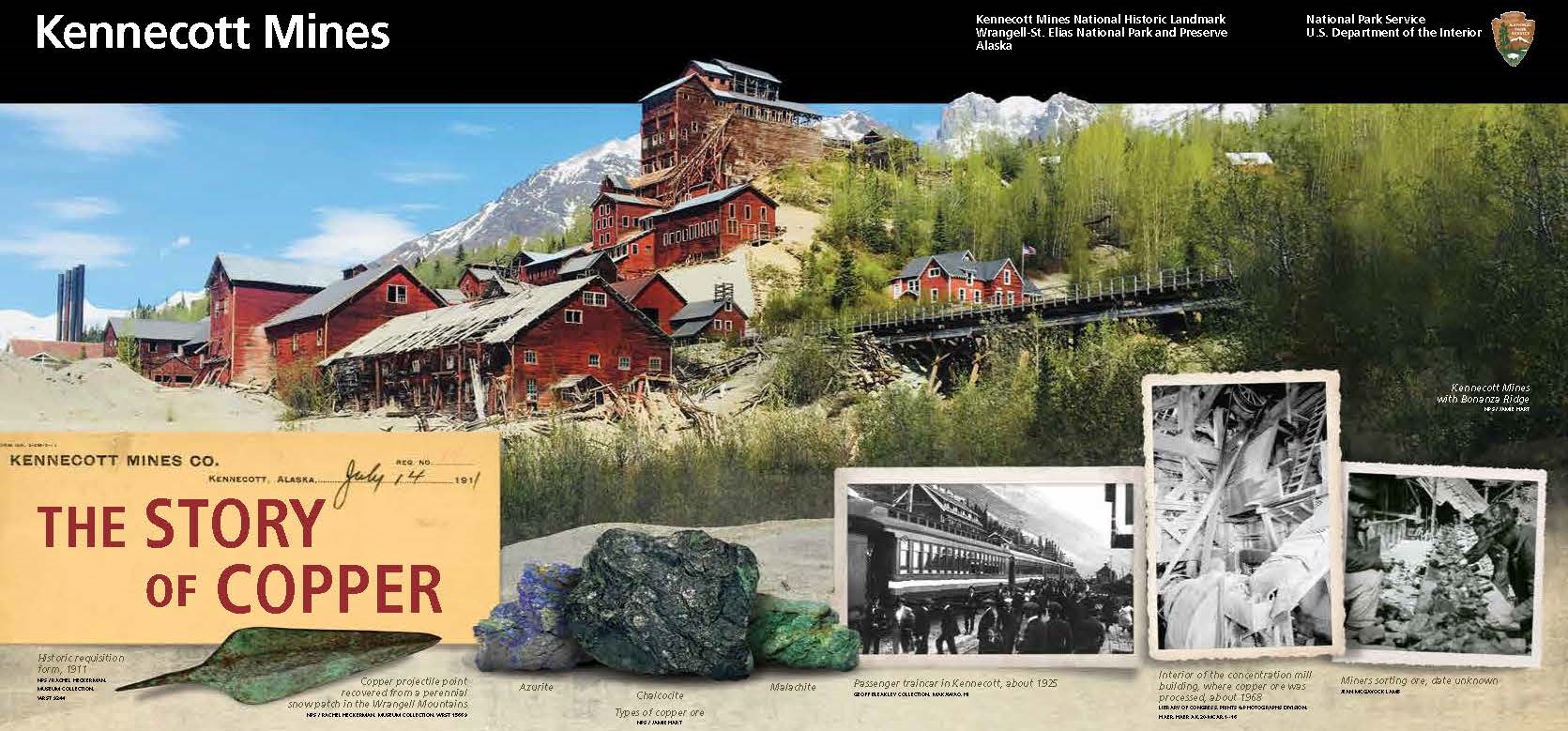
The Copper Country’s Riches and Ruin: A Landscape of Conflict
The Keweenaw Peninsula, jutting into Lake Superior, was once the richest copper mining region in the world. By the early 20th century, Calumet, Michigan, stood as a vibrant, albeit deeply stratified, community built upon the fortunes of its copper mines. Dominating this landscape was the Calumet & Hecla Mining Company (C&H), a colossal corporation whose power extended far beyond the mine shafts. C&H owned not just the mines, but also the towns, the housing, the stores, and even the local government, effectively creating a corporate feudal system.
Miners, largely immigrants from Italy, Finland, Croatia, and other European nations, toiled in dangerous conditions, often paid by the ton of copper rock they excavated. The introduction of the one-man drill, a labor-saving but physically demanding piece of equipment, further intensified their plight, allowing the company to cut wages and eliminate jobs. Working in these mines was a constant battle against rockfalls, dust-filled lungs, and the ever-present threat of injury or death. Despite the immense profits reaped by C&H and its shareholders, the miners lived in poverty, their families struggling to survive in company-owned houses, dependent on company stores. This stark disparity between corporate wealth and worker hardship laid the fertile ground for widespread discontent, igniting the fuse for what would become one of the most significant labor movement tragedies of the era.
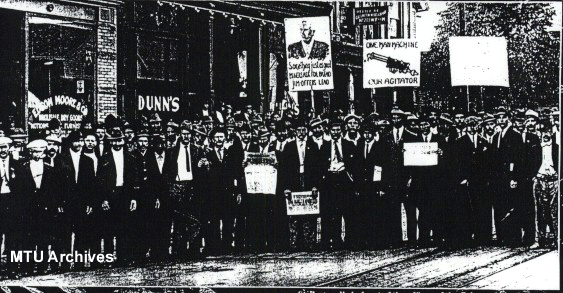
Seeds of Discontent: The 1913 Calumet Michigan Copper Strike
By the summer of 1913, the simmering resentment among the miners reached a boiling point. The Western Federation of Miners (WFM), a militant union, had been quietly organizing in the Copper Country for years, promising better wages, an eight-hour workday, and an end to the hated one-man drill. On July 23, 1913, the WFM called a general strike, and thousands of miners walked off the job, paralyzing the region’s copper production.
The company’s response was swift and brutal. C&H, led by general manager James MacNaughton and supported by president Quincy Shaw, refused to negotiate. Instead, they imported strikebreakers, hired armed guards from the notorious Waddell-Mahon detective agency, and formed the Citizens’ Alliance – a powerful anti-union organization composed of local businessmen and professionals, largely funded by the mining companies. The Citizens’ Alliance actively worked to undermine the strike, evicting striking families from company housing, cutting off credit at company stores, and inciting violence against union organizers. This aggressive corporate stance solidified the perception among many that the mining companies prioritized profit over human lives. The entire region became a battleground, marked by picket line clashes, violent assaults, and a pervasive atmosphere of fear and intimidation.
Christmas Eve, 1913: A Day of Darkness Descends
Amidst the escalating tensions and the bitter cold of a prolonged strike, the Western Federation of Miners sought to bring some semblance of holiday cheer to the struggling families. On Christmas Eve, 1913, they organized a festive party for the children of striking miners at the Italian Hall, a two-story brick building owned by the Società Mutua Beneficenza Italiana, located on Seventh Street in Calumet. The hall, a symbol of community and solidarity for the Italian immigrant population, was packed with approximately 400 to 500 people, mostly children, eagerly awaiting gifts and a respite from the harsh realities of the strike.
The atmosphere inside was warm and hopeful, a stark contrast to the freezing temperatures and the grim conflict outside. Children laughed, played games, and sang carols, momentarily forgetting the hunger and hardship that had become their daily companions. Parents watched on, perhaps with a flicker of optimism for the coming year. Suddenly, around 4:30 PM, a single, terrifying shout pierced the festive air: “Fire! Fire!”
The Stampede and the Stairwell of Death: Investigating the 1913 Italian Hall Disaster
Panic erupted instantly. The cry of “fire” triggered a primal fear, especially in a building filled with so many vulnerable children. The vast majority of the attendees rushed towards the main exit – a single, narrow staircase leading down to the street. The heavy double doors at the bottom of the staircase, which opened inward, became a fatal bottleneck.
As the crowd surged forward, those at the front were crushed against the unyielding doors. Children, smaller and weaker, were trapped beneath the feet of adults and older children desperately trying to escape. The sheer force of the bodies pressing down from above created an insurmountable barrier. One after another, people collapsed, suffocating or being crushed to death in the narrow confines of the stairwell.
When the chaos subsided, the true horror was revealed. Seventy-three people lay dead, piled meters high in the stairwell. Fifty-nine of the victims were children, some as young as two years old. The vast majority died not from fire, for there was no fire, but from asphyxiation and blunt force trauma. The Italian Hall disaster became one of the deadliest labor movement tragedies in American history, leaving an indelible mark on the Calumet community and fueling widespread outrage.
- Key Facts of the Italian Hall Disaster:
- Date: December 24, 1913
- Location: Italian Hall, Calumet, Michigan
- Event: Children’s Christmas Party for striking miners’ families
- Cause of Panic: False shout of “Fire!”
- Fatal Flaw: Inward-swinging double doors at the bottom of the main exit staircase
- Victims: 73 total, including 59 children
- Primary Cause of Death: Asphyxiation and crushing injuries
- Historic photo of the Italian Hall in Calumet, Michigan, before the 1913 disaster, showing its entrance.
- Black and white image of striking copper miners in Calumet, Michigan, during the 1913 strike.
- Newspaper clipping or headline from 1913 detailing the Italian Hall disaster and the high death toll.
- Archival photograph showing the aftermath of the Italian Hall disaster, with debris and emergency personnel.
- Memorial plaque or monument dedicated to the victims of the 1913 Italian Hall disaster in Calumet.
- “early American corporate scandals”: [[Link to an article on early 20th-century corporate malfeasance]]
- “labor movement tragedies”: [[Link to an article on the Ludlow Massacre or other major labor conflicts]]
- “Western Federation of Miners (WFM)”: [[Link to an article detailing the history of the WFM or early American unions]]
- “fight for workers’ rights”: [[Link to an article about the evolution of labor laws or unionization efforts in the US]]
- “Calumet & Hecla Mining Company (C&H)”: (https://www.nps.gov/kewe/learn/historyculture/calumet-hecla-mining-company.htm) (National Park Service)
- “Western Federation of Miners”: (https://www.britannica.com/topic/Western-Federation-of-Miners) (Britannica)
- “The Italian Hall Disaster of 1913”: (https://www.michigan.gov/mhc/museums/michigan-history-center/history/the-italian-hall-disaster-of-1913) (Michigan History Center)
- “Congressional committee”: (https://history.house.gov/) (House of Representatives historical archives)
- Event Schema (
HistoricalEvent): To highlight the Italian Hall Disaster as a significant historical event. @context:http://schema.org@type:HistoricalEventname: “1913 Italian Hall Disaster”description: “A tragic stampede at the Italian Hall in Calumet, Michigan, during the 1913 copper strike, resulting in 73 deaths, mostly children.”startDate: “1913-12-24”location:{ "@type": "Place", "name": "Italian Hall, Calumet, Michigan, USA" }performer:{ "@type": "Organization", "name": "Western Federation of Miners" }organizer:{ "@type": "Organization", "name": "Western Federation of Miners" }- Article Schema (
Article): For the blog post itself. @context:http://schema.org@type:Articleheadline: “Uncovering Greed, Copper, and Tragedy: An Investigative History of the 1913 Italian Hall Disaster”image:[URL to a relevant image]datePublished:[Date of publication]dateModified:[Date of last modification]author:{ "@type": "Person", "name": "[Your Name/Website Name]" }publisher:{ "@type": "Organization", "name": "[Your Website Name]", "logo": { "@type": "ImageObject", "url": "[URL to your logo]" } }mainEntityOfPage:{ "@type": "WebPage", "@id": "[URL of this article]" }- Title: Uncovering Greed, Copper, & Tragedy: The 1913 Italian Hall Disaster
- Description: An investigative look into the devastating 1913 Italian Hall disaster in Calumet, Michigan – a true historical crime born from corporate greed & labor conflict.
- Hashtags: #ItalianHallDisaster #CalumetCopperStrike #LaborHistory #TrueCrime #MichiganHistory #CorporateGreed #WorkersRights #1913Tragedy
- Image: Use a compelling historical image of the Italian Hall or a striking visual representing the era.
The Shadow of Suspicion: An Unsolved Historical Crime
In the immediate aftermath, a desperate search began for the person who had shouted “Fire!” This was no mere accident; it was an act of malicious intent that led to mass casualties. The prevailing sentiment among the striking miners and their supporters was that the cry was a deliberate act of terror, designed to break the strike and intimidate the community. Fingers immediately pointed to the Citizens’ Alliance, the mining companies’ anti-union arm, or their hired thugs.
Witnesses offered conflicting descriptions of the individual who shouted, but a common thread emerged: a man wearing a Citizens’ Alliance button. Despite numerous testimonies and intense public pressure, the official investigations failed to identify or apprehend the perpetrator. The coroner’s inquest, heavily influenced by local authorities sympathetic to the mining companies, ultimately concluded that the identity of the shouter was unknown. This outcome only deepened the community’s conviction that a cover-up was underway, protecting the powerful interests behind the tragedy. The failure to bring anyone to justice for the Italian Hall disaster remains a chilling example of a corporate scandal, where the influence of wealthy corporations seemingly shielded perpetrators from accountability.
Cover-Up and Injustice: The Aftermath and Congressional Hearings
The tragedy at the Italian Hall sent shockwaves across the nation, drawing national attention to the brutal realities of the Calumet Michigan copper strike. Amidst the overwhelming grief, suspicion, and anger, a congressional committee was dispatched to investigate the disaster and the broader labor conflict.
During the congressional hearings, testimonies revealed the intense hostility directed at the striking miners and the union. Witnesses recounted threats, intimidation, and acts of violence perpetrated by company guards and members of the Citizens’ Alliance. However, despite compelling emotional accounts and persistent questions about the identity of the “fire” shouter, the hearings ultimately failed to deliver concrete answers or assign culpability for the disaster. The political and economic power of the mining companies proved too formidable.
The lack of accountability for the deaths of 73 people, mostly children, became a profound symbol of injustice. For many, the tragedy was not just an isolated incident but a direct consequence of the mining companies’ ruthless anti-union tactics and their disregard for human life. The investigative history of the 1913 Italian Hall disaster reveals a system where corporate power could effectively evade justice, leaving a community devastated and an unsolved crime lingering for generations. The failure of the legal system to prosecute anyone for the Italian Hall deaths solidified the perception that the powerful were above the law, further eroding trust in institutions.
Legacy of Loss: Remembering the Victims and the Strike’s Enduring Impact
The Italian Hall disaster left an indelible scar on the Calumet community. The mass burial of the victims, many in a single grave, was a somber testament to the collective grief. The strike itself, already faltering under the weight of company pressure and dwindling resources, effectively collapsed in April 1914, just months after the tragedy. The Western Federation of Miners lost its foothold in the Copper Country, and the mining companies largely maintained their control, albeit with a lingering stain on their reputation.
Today, the Italian Hall disaster serves as a potent reminder of the harsh realities faced by workers in early industrial America and the often-violent struggle for labor rights. The surviving façade of the Italian Hall stands as a memorial, a silent testament to the lives lost and the unresolved questions of that tragic Christmas Eve. Historians and activists continue to uncover documents and revisit testimonies, hoping to shed new light on this enduring historical crime. The memory of the children of Calumet, victims of greed and malice, fuels ongoing calls for corporate accountability and justice for historical wrongs.
This tragic chapter serves as a stark reminder of the human cost of unchecked power and the importance of safeguarding workers’ rights. The voices of those who suffered in the Calumet copper strike and the victims of the Italian Hall disaster echo through time, urging us to remember and to learn.
Conclusion: The Unanswered Questions of Calumet’s Christmas Eve
The 1913 Italian Hall disaster remains one of the most heartbreaking and infuriating chapters in American labor history. Seventy-three lives, predominantly those of innocent children, were extinguished not by fire, but by the terror sown by a single, malicious shout amidst a bitter labor dispute. While the immediate cause was a stampede, the deeper roots of the tragedy lie in the systemic exploitation of workers, the fierce anti-union stance of the powerful Calumet & Hecla Mining Company, and the divisive atmosphere cultivated by the Citizens’ Alliance.
The failure to identify and prosecute the individual responsible for the false alarm has left an enduring legacy of injustice, solidifying the perception that the powerful could act with impunity. This investigative history of the 1913 Italian Hall disaster compels us to examine the pervasive influence of corporate scandals and their devastating human consequences. It stands as a solemn monument to the labor movement tragedies of an era defined by industrial conflict and the relentless pursuit of profit. The story of Calumet’s Christmas Eve is a powerful call to remember the vulnerability of the working class and the eternal fight for justice and dignity.
Explore more investigative history on early American corporate scandals and the fight for workers’ rights to understand the full scope of these pivotal moments that shaped our nation. For those interested in preserving such vital historical narratives and staying informed on similar historical investigations, consider subscribing to our newsletter for exclusive content and updates.
—
Image Alt Text Suggestions:
Internal Link Suggestions (Anchor Text):
External Link Suggestions (Anchor Text):
Schema Markup Recommendations:
Social Sharing Optimization: