
Wisconsin’s Civil Rights Marches: Unveiling Untold Stories from the 1960s
When the history of the American Civil Rights Movement is recounted, iconic images from Selma, Birmingham, and Montgomery often dominate the narrative. These pivotal moments undeniably shaped the nation’s conscience and legislative landscape. However, the struggle for equality was not confined to the Deep South; it was a nationwide movement, with significant and often untold Wisconsin civil rights stories unfolding far from the national spotlight. In the 1960s, Wisconsin became a battleground for racial justice, witnessing fervent protests, courageous activism, and a determined fight against systemic discrimination.
Many Wisconsinites, and indeed many Americans, are unaware of the intensity and impact of the civil rights marches that took place in cities like Milwaukee and Madison. These demonstrations, though sometimes overshadowed by events in the South, were crucial in challenging de facto segregation, housing discrimination, and racial prejudice in the supposedly progressive North. Activists, both Black and white, faced fierce opposition, hostility, and even violence as they marched for fundamental human rights. This comprehensive article delves into the untold Wisconsin civil rights narratives of the 1960s, bringing to light the courage of those who fought for change, the specific challenges they confronted, and the enduring legacy of their efforts.
By exploring the unique context of civil rights in Wisconsin, we will uncover the strategies employed by local activists, the legislative battles that ensued, and the lasting impact these movements had on the state’s social fabric. Prepare to discover the often-overlooked chapters of equality, reminding us that the fight for justice knows no geographical bounds and that every story contributes to the larger tapestry of American history.
Beyond Selma and Birmingham: Wisconsin’s Unique Civil Rights Landscape
The popular imagination often places the Civil Rights Movement squarely in the Jim Crow South, where overt legal segregation and violent repression were undeniable. While these struggles were critically important, they can inadvertently obscure the equally vital, albeit different, battles fought in Northern states like Wisconsin. The challenges in Wisconsin were not always codified by law but were deeply ingrained in social practices, economic structures, and housing policies, leading to what is known as “de facto” segregation.
In the mid-20th century, Wisconsin experienced a significant influx of African Americans migrating from the South, seeking better economic opportunities and escaping overt racial violence. However, they often encountered a different kind of discrimination upon arrival. Restrictive covenants, redlining, and informal agreements among real estate agents effectively confined Black residents to specific, often overcrowded and underserved, neighborhoods. This created segregated schools, limited job prospects, and perpetuated a cycle of poverty, even without explicit “separate but equal” laws.
The fight for civil rights in northern states like Wisconsin thus focused on issues such as open housing, school desegregation, fair employment practices, and police brutality. These were nuanced battles, often requiring different tactics than those used against statutory segregation. Activists had to expose the subtle yet pervasive forms of discrimination, educate a largely unaware white population, and push for legislative changes that challenged deeply entrenched social norms. The Wisconsin Civil Rights Act of 1965, though a step forward, did not immediately dismantle these systemic barriers, leading to continued activism and direct action.
The Silent Segregation: De Facto Discrimination in the North
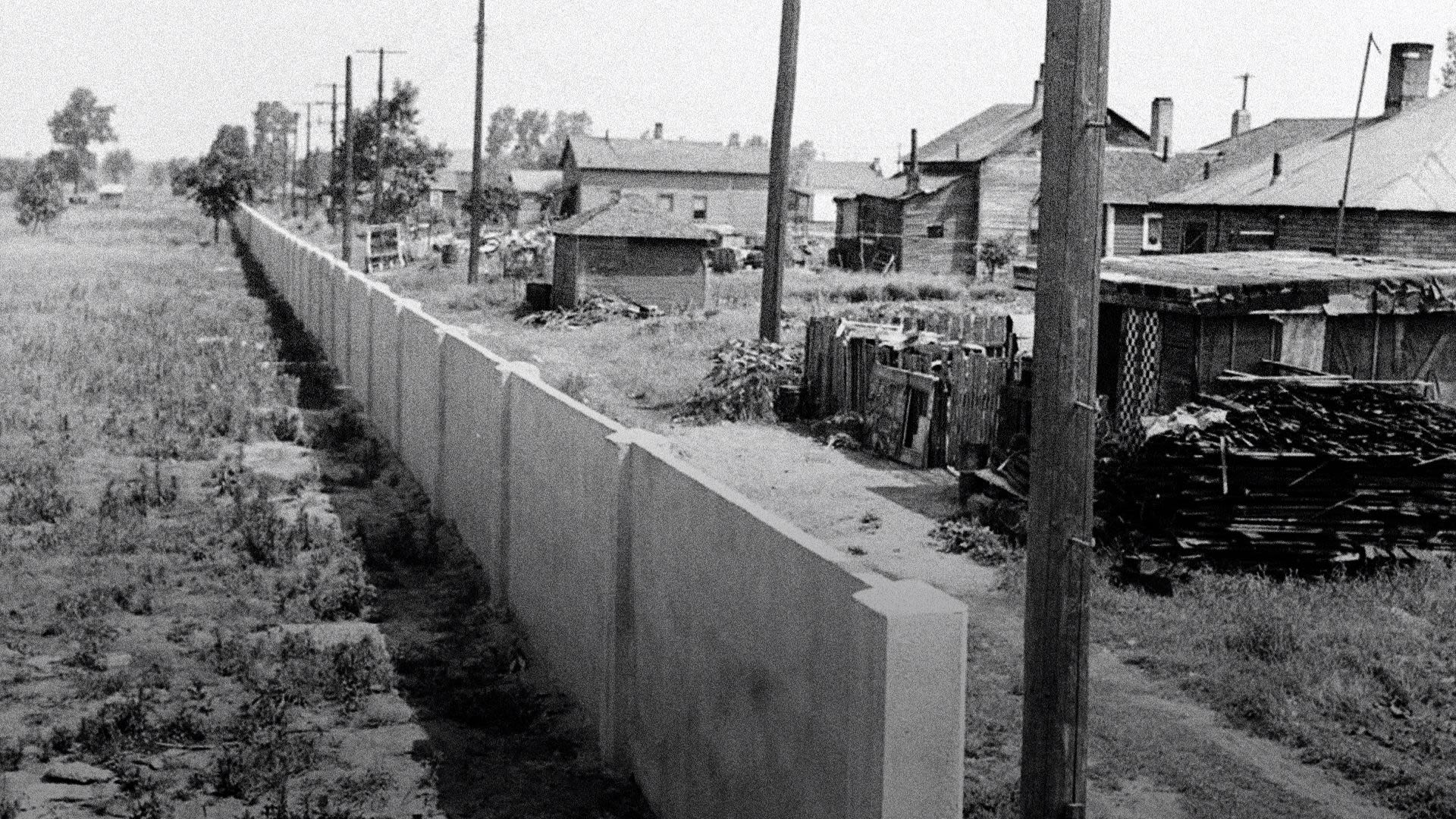
De facto segregation, meaning “segregation in fact,” was a pervasive reality in Wisconsin cities. Unlike de jure segregation (segregation by law) in the South, Northern segregation was driven by:
- Housing Discrimination: Real estate agents steered Black families away from white neighborhoods, landlords refused to rent to Black tenants, and mortgage lenders practiced redlining, denying loans in predominantly Black areas.
- Economic Disparity: Limited access to quality education and vocational training, coupled with discriminatory hiring practices, confined many Black residents to low-wage jobs, perpetuating economic inequality.
- School Segregation: Residential segregation naturally led to segregated schools, with inner-city schools predominantly Black and often underfunded, while suburban schools remained overwhelmingly white.
- Social Barriers: Subtle but powerful social norms and prejudices created invisible barriers, limiting opportunities for integration in public spaces, entertainment, and community life.
- Strategic Marches: The marches across the 16th Street Viaduct were symbolic and strategic, directly challenging the invisible line of segregation and bringing the issue of open housing to the doorsteps of those who benefited from it.
- Youth Leadership: The Youth Council empowered young people, giving them a voice and agency in the fight for their future. Their energy and determination were infectious.
- Media Attention: Groppi’s outspoken nature and the dramatic confrontations garnered national media coverage, shining a spotlight on Milwaukee’s racial divide and pressuring city officials.
- Interracial Alliance: While controversial, Groppi’s leadership as a white priest helped bridge some racial divides and brought additional white allies into the movement, even as it inflamed others.
- Increased Awareness: The constant presence of the marchers forced Milwaukeeans to confront the reality of segregation in their city, making it impossible to ignore.
- National Scrutiny: Milwaukee became a case study for Northern racism, attracting figures like Dick Gregory and drawing parallels to Southern struggles.
- Legislative Action: The sustained pressure ultimately led to the passage of a strong Milwaukee open housing ordinance by the Common Council in April 1968, just days after the assassination of Martin Luther King Jr. This local ordinance preceded federal open housing legislation.
- Community Mobilization: The marches galvanized both Black and white residents, some in support, others in opposition, revealing deep divisions but also fostering new alliances.
- Building Awareness: Each time her ordinance was debated, it forced the issue of housing discrimination into public discussion, even if it didn’t pass.
- Establishing Precedent: Her legislative efforts created a historical record and laid the groundwork for future legal battles, demonstrating that the fight for fair housing was a legitimate and necessary one.
- Inspiring Future Leaders: Phillips served as a powerful role model, proving that African Americans and women could achieve positions of power and use them to advocate for their communities.
- Attended community meetings and organized local protests.
- Canvassed neighborhoods to gather support and educate residents.
- Participated in peaceful demonstrations and picket lines.
- Provided logistical support, from preparing food for marchers to offering safe houses.
- Protesting Discriminatory Practices: Demonstrations against businesses that refused to hire Black workers or discriminated against patrons were common.
- Advocating for Fair Housing: Student groups joined community organizations in pushing for open housing ordinances, recognizing the link between housing and educational opportunity.
- Challenging Campus Segregation: Efforts were made to desegregate fraternities, sororities, and other campus organizations that perpetuated racial exclusion.
- Building Coalitions: Student activists often collaborated with local NAACP chapters and other community groups, amplifying their collective voice and impact.
- Increased Local Awareness: Forced communities to confront their own racial biases and discriminatory practices.
- Building a Network of Activists: Connected individuals and groups across the state, fostering a sense of shared struggle and mutual support.
- Pressuring State Legislators: The widespread nature of the protests put pressure on state lawmakers to consider comprehensive civil rights legislation beyond specific city ordinances.
- Challenged White Complacency: Many white Wisconsinites, particularly in the North, viewed racism as a Southern problem. The marches forced them to confront the reality of racial prejudice and segregation in their own communities.
- Empowered Black Communities: The activism fostered a sense of agency and solidarity within Black communities, demonstrating their collective power to demand change.
- Sparked Dialogue: The controversies surrounding the marches ignited public debate about race relations, social justice, and the role of government in addressing inequality.
- Shifted Public Opinion: While initially met with hostility, the sustained moral argument and the sheer persistence of the marchers gradually shifted some segments of public opinion, making discrimination less socially acceptable.
These systemic issues created a profound sense of injustice, fueling the need for organized protest and civil disobedience. The impact of redlining and housing discrimination, in particular, became a central focus for activists throughout the state, especially in its largest city.
Milwaukee’s Open Housing Marches: A Northern Battleground
Milwaukee, Wisconsin’s largest city, became the epicenter of the civil rights struggle in the state, particularly regarding open housing. The city’s severe residential segregation was a stark reality, with a “core” area on the near North Side almost exclusively inhabited by African Americans. Attempts to integrate housing were met with fierce resistance, leading to a series of historic and often confrontational marches.
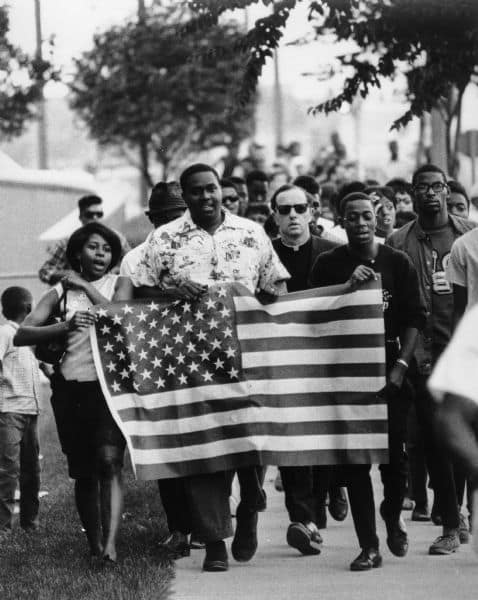
The most prominent and enduring campaign began in 1967, led by the NAACP Youth Council and their charismatic advisor, Father James Groppi. For 200 consecutive nights, from August 28, 1967, to March 1968, thousands marched from the predominantly Black North Side across the 16th Street Viaduct into white, working-class South Side neighborhoods. Their demand was simple: a strong open housing ordinance that would outlaw discrimination in the sale and rental of all housing in Milwaukee.
These Milwaukee open housing marches were often met with violent counter-protests. White residents, some armed with bricks, bottles, and racial slurs, confronted the marchers. The National Guard was frequently called in to maintain order, and the city became a national symbol of Northern racial unrest. Father Groppi, a white Catholic priest, became a lightning rod for criticism and admiration, his unwavering commitment to justice inspiring both his followers and national attention.
Father Groppi and the NAACP Youth Council: A Force for Change
Father James Groppi was a pivotal figure in Milwaukee’s civil rights movement. A Catholic priest at St. Boniface Church, located in the heart of Milwaukee’s Black community, he became deeply involved with the NAACP Youth Council. Under his guidance, the Youth Council, composed largely of young African American students, transformed into a powerful, disciplined, and courageous direct-action group. They employed non-violent tactics inspired by Martin Luther King Jr., but their confrontational approach often provoked strong reactions.
The open housing marches continued through the fall and winter, enduring harsh weather and relentless opposition. Their persistence eventually paid off, demonstrating the power of grassroots activism in the face of deep-seated prejudice. These were genuinely untold Wisconsin civil rights stories that deserve broader recognition.
The 200 Nights of Marches and Their Impact
The “200 Nights of Marches” became a defining moment for Milwaukee and for the national perception of Northern civil rights struggles. The daily marches, though exhausting and dangerous, kept the issue of open housing at the forefront of public discourse. Key aspects of their impact include:
While the ordinance did not immediately erase decades of segregation, it provided a legal framework to combat discrimination and marked a significant victory for the Milwaukee civil rights movement. It also underscored the fact that civil rights were not just a Southern problem but a national challenge requiring local action.
The Power of Persistence: Key Figures and Organizations
Beyond Father Groppi and the NAACP Youth Council, numerous individuals and organizations played vital roles in Wisconsin’s civil rights struggles. Their collective efforts, often unsung, formed the backbone of the movement, demonstrating remarkable courage and strategic thinking in the face of adversity. Highlighting these untold Wisconsin civil rights stories is crucial for a complete understanding of the era.
One such figure was Vel Phillips, a trailblazing attorney and politician. In 1956, she became the first African American and first woman elected to the Milwaukee Common Council. Phillips tirelessly advocated for open housing legislation for years before the marches began, introducing a fair housing ordinance annually from 1962 onward, only to see it repeatedly defeated. Her persistence laid critical groundwork, educating the public and setting the stage for the direct action that followed. She later became the first African American woman to serve as a judge in Wisconsin and the first woman and African American to be Secretary of State.
The Congress of Racial Equality (CORE) also had a presence in Wisconsin, particularly in Madison and Milwaukee. CORE was instrumental in organizing sit-ins, boycotts, and freedom rides nationally, and locally, they focused on issues of employment discrimination and public accommodations. Their non-violent direct action tactics helped to challenge discriminatory practices in various businesses and institutions across the state.
Another important organization was the Milwaukee United School Integration Committee (MUSIC), formed in 1964. MUSIC was dedicated to desegregating Milwaukee Public Schools, which were highly segregated due to residential patterns. They organized boycotts and protests, demanding an end to de facto segregation and advocating for quality education for all children. Their efforts highlighted the interconnectedness of housing and educational inequality.
Vel Phillips: A Legislative Pioneer
Vel Phillips’s journey from councilwoman to a state leader is a testament to her unwavering commitment to justice. Her consistent introduction of open housing legislation, despite repeated failures, showed remarkable tenacity. She understood that legal change was a fundamental component of achieving equality. Her work was not always glamorous or confrontational, but it was essential for:
Her contributions underscore that the civil rights movement was fought not only in the streets but also in legislative chambers, often by individuals who faced immense pressure and political obstacles.
Grassroots Activism and Community Engagement
Beyond prominent figures, countless ordinary citizens engaged in grassroots activism. These were the individuals who:
These collective actions, often overlooked in historical accounts, were crucial for sustaining the movement. They built community solidarity, amplified the voices of the marginalized, and ensured that the pressure for change was constant. The strength of grassroots movements lies in their ability to mobilize everyday people around a common cause.
Madison and Other Cities: Echoes of Activism
While Milwaukee’s open housing marches garnered significant national attention, civil rights activism was not exclusive to the state’s largest city. Madison, the state capital, along with other Wisconsin communities, also saw their share of protests and organizing efforts, each contributing to the broader Wisconsin activism 1960s landscape. These diverse efforts further illustrate the widespread nature of the fight for equality across the state.
In Madison, the University of Wisconsin campus often served as a hub for student activism, influenced by both the civil rights movement and the burgeoning anti-war movement. Students and community members organized demonstrations against discriminatory hiring practices, particularly targeting businesses that refused to employ African Americans or displayed racist policies. Sit-ins at lunch counters and protests against segregated fraternities and sororities were common, reflecting national trends but adapted to local contexts.
The Madison chapter of the NAACP, alongside student groups, actively campaigned for fair housing and desegregation in schools. While Madison’s racial demographics were different from Milwaukee’s, with a smaller but growing Black population, the city still grappled with issues of subtle discrimination and lack of opportunity. Activists pushed for stronger local ordinances and state legislation to address these concerns, working in conjunction with statewide efforts.
Other Wisconsin cities, though perhaps on a smaller scale, also witnessed civil rights activity. In places like Racine, Beloit, and Kenosha, local groups addressed issues pertinent to their communities, such as employment discrimination in factories, unequal access to public services, and school segregation. These local struggles, often less documented, were nonetheless crucial in challenging the pervasive systems of inequality throughout the state. They represent significant untold Wisconsin civil rights narratives that collectively contributed to a statewide movement.
Student Activism at the University of Wisconsin-Madison
The University of Wisconsin-Madison campus was a vibrant center for social justice movements in the 1960s. Students played a critical role in:
The energy and idealism of these young activists were instrumental in keeping civil rights issues on the public agenda in Madison, often serving as a training ground for future leaders and organizers.
Local Battles, Statewide Impact
The decentralized nature of the civil rights movement in Wisconsin meant that local battles had a cumulative statewide impact. Each protest, each legislative push, and each act of civil disobedience in cities like Racine, Beloit, and Kenosha contributed to:
These localized efforts reinforced the message that racial justice was not just a problem for large urban centers but a challenge that required attention and action from every corner of Wisconsin. Understanding these diverse contributions is key to appreciating the full scope of Wisconsin’s social justice history.
Legislative Battles and Social Impact: The Long Road to Change
The civil rights marches and protests in Wisconsin were not merely symbolic; they were powerful catalysts for legislative and social change. While the passage of ordinances and laws did not instantly eradicate racism, they provided crucial legal tools and marked significant milestones in the arduous journey toward equality. The fight for open housing, fair employment, and desegregated schools was a long one, often requiring sustained pressure and political will.
One of the most significant legislative achievements at the state level was the Wisconsin Fair Housing Act of 1965. This act, passed two years before Milwaukee’s major open housing marches began, was a crucial step, but it had limitations. It initially covered only a portion of the state’s housing stock and faced challenges in enforcement. The limitations of this statewide act were precisely what fueled the intensity of the Milwaukee marches, as activists sought a stronger, more comprehensive local ordinance.
The passage of Milwaukee’s open housing ordinance in April 1968, shortly after the federal Fair Housing Act, was a direct result of the persistent activism of the NAACP Youth Council and Father Groppi. This local ordinance was often seen as stronger than its federal counterpart at the time, offering broader protections. Its enactment was a testament to the power of direct action and community organizing in influencing policy.
Beyond specific legislation, the marches had a profound social impact. They:
These changes, both legislative and social, highlight the enduring legacy of Wisconsin’s civil rights movement, moving the