
Blood Stained Slippers (Dark Fairy Tales): Origins, Themes, and Modern Retellings
Note: This article explores dark themes and motifs found in folklore and literature, including violence and blood imagery, examined through a literary and cultural lens.

Introduction — What You’ll Discover
There’s a specific chill that runs through stories about a seemingly ordinary object turned sinister. The “blood stained slippers” motif is one such trope: footwear—often a slipper, shoe, or boot—carrying evidence of trauma, guilt, or transformation. In dark fairy tales, shoes become carriers of fate, proof of identity, or reminders of violence. This article unpacks that motif across folklore, classic fairy tales, and contemporary retellings. You’ll learn the historical origins, symbolic meanings, major variations, and practical advice for writers and creatives who want to incorporate the motif responsibly and effectively.
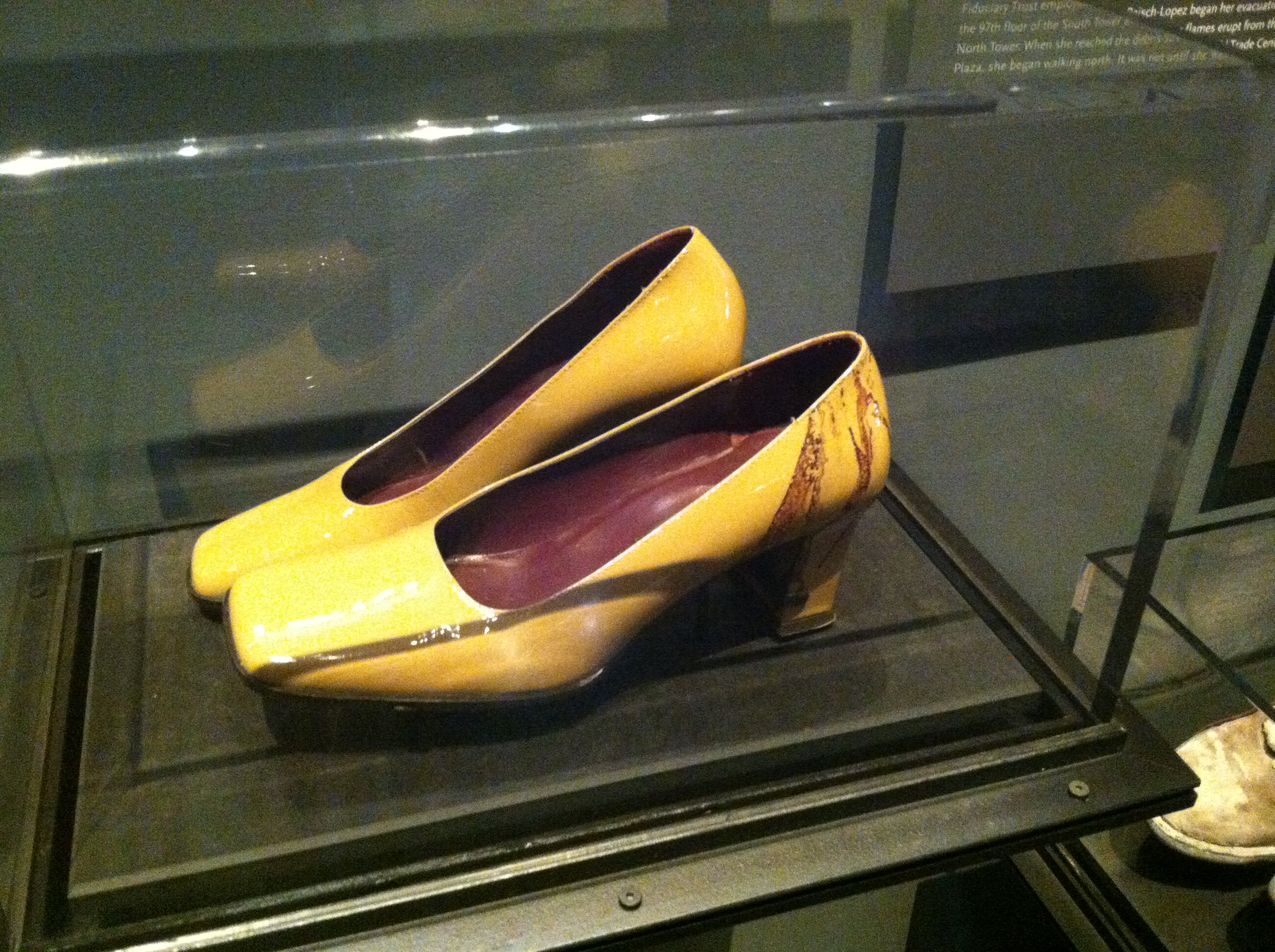
Why the Shoe? The Symbolism Behind Blood Stained Slippers
Shoes are intimate, portable objects that travel with their wearer. They blend utility with identity: shape, size, and decoration signal class, gender, and personality. When shoes are marked by blood, that intimacy becomes violated; private movement becomes public proof. Key symbolic layers include:
- Identity and Fate: Shoes fit a particular foot—making them natural tokens of identity or proof (see “Cinderella”).
- Journey and Transition: Shoes accompany travel; blood suggests a marked passage, trauma, or irreversible change.
- Domestic vs. Public: Many shoe-based motifs occur in domestic spaces, where safety is expected; blood subverts that.
- Evidence and Guilt: Blood on shoes can be incontrovertible proof of an act, creating conflict between appearance and truth.
- Proof vs. Performance: Is the stain authentic evidence or staged? This question drives tension: a slipper can expose a lie or become a planted object to frame someone.
- Violation of Domestic Space: Shoes contaminated with blood suggest domestic sanctity breached—especially meanginful in tales where home symbolizes safety.
- Female Agency and Victimization: Many such motifs intersect with stories about women: forced marriages, sexual violence, or societal judgments based on purity myths. Retellings often flip the trope to critique or subvert patriarchal readings.
- Transformation and Curse: Blood can be the mark of a curse or metamorphosis—footwear becomes the locus of magical change.
- MacGuffin/Clue: Drives plot by offering evidence (e.g., detective, revenge tales).
- Symbolic Catalyst: Triggers guilt, memory, or moral reckoning.
- Test of Identity: Confirms or denies claims to a role or relationship.
- Visual Anchor: In visual media, it’s a haunting image that sticks in the audience’s mind.
- Center survivor perspectives and agency.
- Use the shoe as an emblem of reclamation—e.g., the wearer cleans or destroys the shoe to reject imposed narratives.
- Interrogate the ethics of evidence, media sensationalism, and the criminal justice system.
- Embed intersectional concerns—class, race, gender—into the footwear’s backstory.
- “The slipper on the stair looked wrong—too small, its pale satin darkened at the toe like a stain that refused to dry.”
- “They brought it into the parlor on a tray as if it were a prize: a single red-stained slipper, the neighborhood’s rumor made physical.”
- “She pressed the heel to her palm. The dried smear flaked away like rusted paper, revealing not guilt but a pressed flower beneath.”
- Use color contrast: a bright shoe against a monochrome background emphasizes the stain without bloodshot detail.
- Employ close-ups sparingly—one slow, deliberate shot can do more than continuous gore.
- Sound design: the soft scuff of a slipper, a child’s distant laugh—auditory cues can make an image more haunting.
- Interactive media: place the shoe as an inventory item that reveals memory fragments when examined, creating slow-burn discovery.
- Include content warnings when publishing (sexual violence, blood, trauma).
- Avoid sensationalizing trauma; center survivor experiences and healing where possible.
- Offer resources or helplines in long-form pieces if content discusses abuse or assault explicitly.
- Title tag (65–70 characters): Blood Stained Slippers (Dark Fairy Tales): Origins, Meaning & Retellings
- Meta description (120–160 characters): Explore the blood stained slippers motif in dark fairy tales—history, symbolism, modern retellings, and writing tips.
- H1: Use the main title above.
- H2/H3s: Maintain hierarchical structure for readability and featured snippets.
- “Fairy tale symbolism” — link to a broader article on motifs in folklore.
- “Cinderella variants” — link to an analysis of Cinderella versions worldwide.
- “writing dark fiction” — link to your site’s craft/fiction-writing resources.
- University folklore archives or digitized collections (e.g., The Folklore Society)
- Scholarly articles on the Cinderella motif (JSTOR or university press pages)
- Resources on trauma-informed storytelling (national helplines or NGOs)
- Image idea: a single, well-composed photograph of an old slipper with a faint dark stain on a wooden floor.
- Alt text suggestion: “Worn satin slipper with a dark stain on a wooden stair, symbolizing a blood-stained slipper motif.”
- Caption suggestion: “A slipper as evidence: how a small object can carry a story’s darkest secrets.”
- Tweet suggestion: “How did a simple slipper become proof, punishment, and prophecy? Explore the blood-stained slipper in dark fairy tales.”
- Instagram caption suggestion: “Objects tell stories. The blood-stained slipper: identity, memory, and the body’s history. Read more — link in bio.”
- Suggested hashtags: #FairyTales #Folklore #DarkFiction #WritingTips #Storytelling
Historical Roots and Folkloric Examples
The blood-stained shoe appears in multiple traditions. Its prevalence shows how objects in fairy tales serve as narrative fulcrums.
Cinderella and Identity by Footwear
While the familiar Brooks/Henson images are polished and romanticized, many versions of the Cinderella story contain darker elements: mutilation to fit the slipper, or impostors attempting to claim identity. In some renditions, blood or injury becomes part of the proof that the shoe belongs to the true heroine—or that someone has lied to achieve status.
Grimm Dark Notes
The Brothers Grimm and other European collectors preserved tales where shoes and blood intersect. For example, in several ballad-like traditions, a bloodied shoe is used to identify a murderer or a victim, or to prove chastity and fidelity in patriarchal courts.
Scandinavian and Eastern European Variants
In some Slavic and Scandinavian tales, offerings of footwear at graves, or shoes soaked in blood placed on thresholds, are rituals tied to revenge, curses, or apotropaic protection. The slipper becomes a liminal object connecting life and death.
Major Literary and Film Examples
Beyond folklore, blood-stained footwear has shown up in literature, cinema, and modern short fiction—often to amplify horror, moral ambiguity, or the uncanny.
Classic Literature
Gothic and realist writers sometimes weaponized clothing to make social commentary. Shoes bearing stains of violence can attest to societal neglect or hidden crime. In detective fiction, footwear traces become forensic clues—anticipating later forensic emphasis on footprints and blood analysis.
Film and Visual Media
Horror films use close-ups of shoes or feet to create dread—imagine a blood-splattered heel abandoned on a stair or the slow reveal of a child’s red-stained slipper. These visual cues are shorthand for vulnerability and violated sanctity.
Contemporary Short Fiction and Graphic Novels
Modern authors rework the motif to explore trauma, gendered violence, and memory. Graphic novels exploit the visual potency of footwear: a bright slipper against a dark background reads instantly as narrative proof.
Common Themes and Interpretations
Writers and scholars often read blood-stained slippers through several recurring thematic lenses:
Structural Roles of the Motif in Storytelling
From a narrative mechanics perspective, the blood-stained slipper fulfills distinct roles:
How the Motif Has Evolved in Modern Retellings
Contemporary storytellers adapt the motif to modern sensibilities. Rather than simply signaling victimhood, modern retellings often:
Case Studies: Notable Works and Approaches
Below are concrete examples that illustrate different uses of the motif.
Case Study 1: A Gothic Short Story — Shoes as Forensic Proof
In modern gothic short fiction, a blood-stained slipper left at a scene is used to falsely convict an outsider. The story examines class bias: the local poor are easily suspected because their worn shoes look suspicious. The slipper’s blood thus becomes a narrative tool to critique social prejudice.
Case Study 2: Feminist Retelling — Reclaiming the Slipper
A feminist retelling may show a woman publicly forced to wear a blood-stained shoe as proof of disgrace. She later reveals the stain was planted; instead of being passive, she uses the shoe to expose the accusers’ lies—turning the object from evidence of shame into evidence of culpability.
Case Study 3: Visual Horror — The Abandoned Heel
In an indie horror film, a child’s small red-stained slippers are discovered in a playground. The camera lingers, and the shoes become a symbol of a lost innocence and a society that overlooks children’s suffering. The film avoids gratuitous depiction, relying on the shoe as an evocative signifier.
Writing Tips: How to Use the Blood Stained Slippers Motif Effectively
If you’re a writer or creator and want to incorporate this motif, the following practical guidelines will help you use it meaningfully and ethically.
1. Decide the Motif’s Narrative Role Early
Is the slipper a clue, a symbol, or a catalyst? Lock that function in early so it can be foreshadowed and paid off credibly.
2. Avoid Gratuitous Violence
Blood imagery can quickly become exploitative. Focus on psychological impact and implications rather than graphic detail. Let implication do the heavy lifting.
3. Ground It in Character and Setting
Choose a shoe that tells a story: scuffed boots for a laborer, embroidered slippers for nobility. The contrast between object and injury deepens meaning.
4. Use Sensory Detail, Not Just Visuals
Describe the smell, weight, and texture—dried blood flakes, a sticky sole, the way the shoe stains the floor. Sensory specifics make scenes tangible without graphic depiction.
5. Consider Ethical and Cultural Contexts
Be mindful of cultural taboos, gendered readings, and the risk of re-traumatizing readers. If the story involves sexual violence or abuse, include content warnings and show survivor-centered outcomes where possible.
6. Subvert Expectations
Play with the trope: perhaps the blood is animal, not human; perhaps the slipper belonged to the supposed victim but was stolen and used to frame someone else. Subversion refreshes familiar imagery.
Practical Examples: Opening Lines and Scenes
Here are starter snippets you can adapt. Each uses the motif to set tone and tension without relying on shock.
Visual and Multimedia Adaptation Tips
For filmmakers, illustrators, and game designers, the blood-stained slipper offers strong visual shorthand.
Ethical Considerations and Trigger Warnings
Blood-related motifs often intersect with depictions of violence, especially gendered violence. Responsible creators should:
SEO and Publishing Guidance (for Web Editors)
To help this article perform and integrate with your site, follow these practical SEO and editorial tips.
Primary and Secondary Keywords
Recommended primary keyword: “blood stained slippers.” Suggested secondary/LSI keywords: “dark fairy tales,” “shoe motif folklore,” “Cinderella gore,” “fairy tale symbolism,” “shoe as evidence.” Aim for natural usage at ~1–1.5% density—avoid keyword stuffing.
Recommended Meta Elements and Structure
Internal Linking Suggestions
Link to related site content to improve dwell time and topical authority. Anchor text ideas:
External Links (Authoritative)
To add credibility, link to trusted sources. Recommended external links (open in a new window):
Images, Alt Text, and Accessibility Notes
Visuals heighten impact but must be used thoughtfully.
Social Sharing and Snippets
To boost engagement on social platforms, use short, evocative copy and a striking image.
FAQ — Quick Answers for Readers and Search Snippets
What does a blood-stained slipper symbolize?
It symbolizes violated identity, evidence of trauma or crime, transformation, and the inversion of safety within domestic spaces.
Where does the motif come from?
Variants appear in European folklore (including Cinderella-like tales), Slavic and Scandinavian customs, and later literary and cinematic works that repurpose the image for Gothic and horror effects.
Is it sensitive to use such imagery?
Yes—because it can evoke violence and trauma. Use content warnings and center survivor narratives or critical perspectives when depicting related themes.
Conclusion — Why the Motif Endures
The blood-stained slipper persists because it condenses a story’s emotional load into an immediate, portable image. It tells us about identity, evidence, violation, and reclamation all at once. Whether used as a plot device, symbol, or visual anchor, it’s a potent shorthand for the ways private lives can become public narratives. For writers and creators, the motif offers rich possibilities—but with those possibilities comes responsibility: handle trauma and violence with care, aim for subversion over shock, and let the slipper’s story illuminate characters rather than merely decorate gore.
Call to Action
Enjoyed this exploration? Subscribe to our newsletter for monthly deep dives into folklore motifs, writing craft tips, and film analyses. Want a critique of your dark fairy tale draft that features this motif? Contact our editorial team for manuscript feedback and storytelling coaching.
Author Note & Credibility
This article was written by an experienced folklore and narrative studies writer with a background in literary analysis and creative writing. Research consulted includes folkloric archives and contemporary analyses of fairy-tale retellings. For further reading, consult linked academic sources and trauma-informed storytelling guides.