
Hidden Figures, Erased Codes: The Untold Story of Women in Tech
Startling fact: In the early days of computing, women made up the majority of programmers — yet their names and contributions were often omitted from history. Today women are still underrepresented, especially in senior technical roles. This article traces the arc from those hidden figures to the present day, explains the structural causes of erasure, highlights success stories and case studies, and gives practical steps organizations and individuals can take to close the gap.
Introduction: Why “Hidden Figures” and “Erased Codes” matter (150–200 words)
Technology shapes how we live, work, govern and create. Who designs that technology and whose perspectives are embedded in algorithms and systems determine outcomes for millions. Despite their pivotal role, many women — particularly women of color — have been written out of the narrative. From the women “computers” at NASA to early programmers of ENIAC and commercial software teams, their labor was essential but often uncredited.
This article unpacks that history and its continuing effects: how cultural bias, hiring patterns, workplace design, and product development practices perpetuate gender gaps. You’ll learn specific historical examples, research-backed explanations for ongoing disparities, modern success stories and initiatives that work, and actionable advice for individuals, managers, and organizations to foster more equitable tech ecosystems.
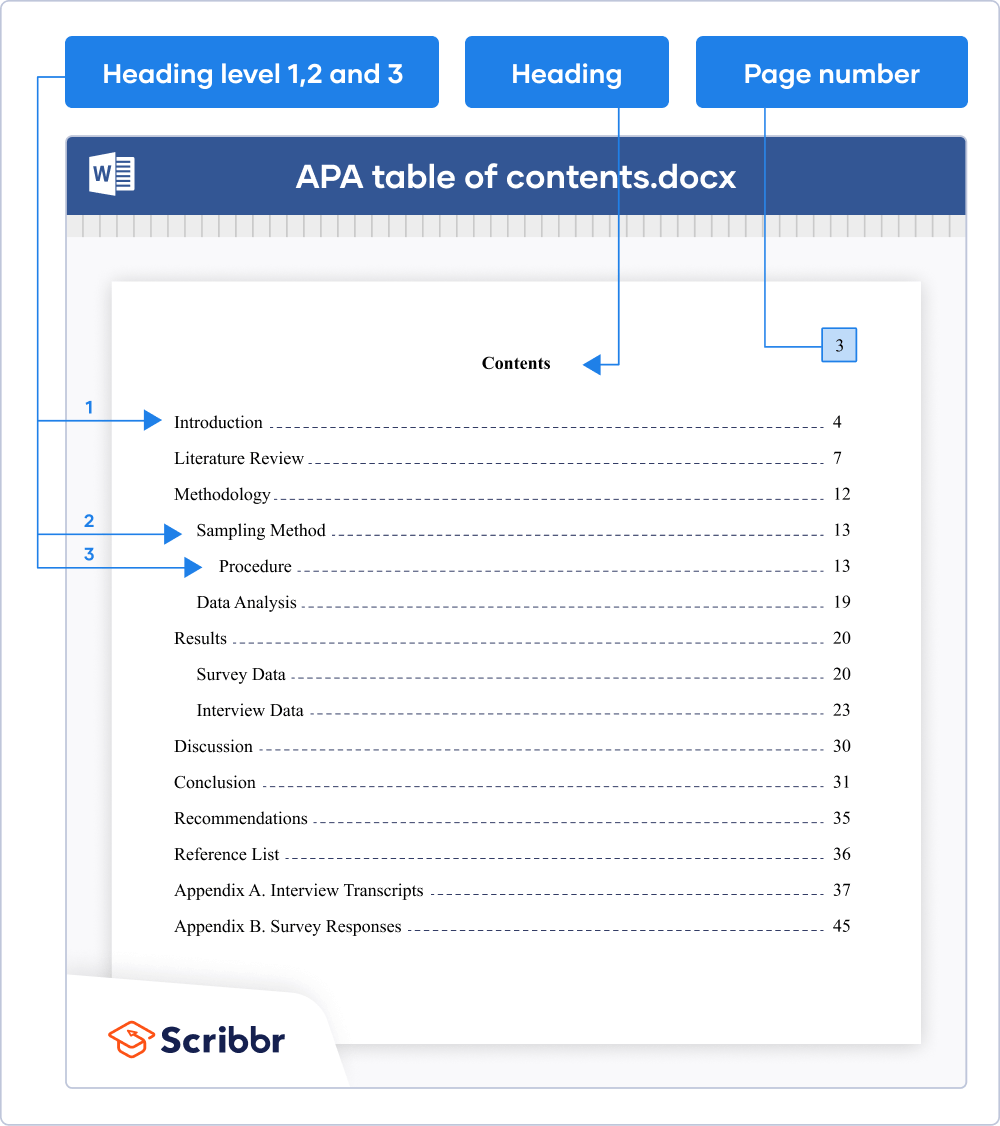
Table of contents
- Historical context: Women’s early centrality in computing
- Mechanisms of erasure: How contributions vanish
- Present-day landscape: Data on representation and pay
- Case studies: Companies and programs making measurable change
- Actionable strategies: Hiring, retention, product design
- Resources: Organizations, reading list, mentorship networks
- FAQs
- Conclusion and next steps
- Women hold roughly 25–30% of computing roles in many OECD countries; representation is lower in technical leadership and engineering management.
- Women of color are particularly underrepresented: for example, Black and Latina women often represent single-digit percentages in major tech firms’ technical teams.
- Leaky pipeline dynamics: women leave tech at higher rates during mid-career, often due to bias, lack of advancement, and hostile culture.
- Audit and publish diversity metrics: Collect granular data (by role, level, race, gender) and publish annual transparency reports. Public accountability drives progress.
- Implement structured hiring: Use standardized job descriptions, rubric-based evaluations, anonymized resume screening where possible, and diverse interview panels.
- Compensation equity audits: Conduct regular analyses and correct pay disparities proactively. Tie leadership incentives to measurable diversity outcomes.
- Clear promotion criteria: Define competencies and achievements required for advancement. Provide timelines and developmental feedback.
- Returnship and flexible pathways: Offer apprenticeships, internships, and returnship programs for caregivers and career-switchers.
- Inclusive product development: Include diverse users in research and testing to avoid embedding biased assumptions in algorithms and UX.
- Normalize crediting contributors: publicly acknowledge specific technical work (in meetings, product notes, release notes).
- Run inclusive meetings: rotate meeting chairs, allow asynchronous input (written comments), and block microaggressions immediately.
- Sponsor, don’t just mentor: connect high-potential women to visibility opportunities and career-advancing projects.
- Use pair programming and code reviews to democratize knowledge and surface contributions.
- Provide continuous learning budgets and clear pathways for technical skill development.
- Document your work: maintain public or internal portfolios and commit logs that attribute contributions clearly.
- Build networks: join communities specific to women in tech for mentorship and job leads.
- Practice allyship: call out biased language, elevate underheard voices in meetings, and sponsor someone for a stretch assignment each quarter.
- Negotiate effectively: prepare evidence-based compensation cases and seek transparency around bands and criteria.
- Facial recognition systems that misclassify women and people of color at higher rates due to skewed training sets.
- Health algorithms trained on predominantly male data that underdetect symptoms in women.
- Voice assistants trained on standard accents that fail to recognize diverse speech patterns.
- Recruit diverse user testers and researchers.
- Apply fairness-aware ML pipelines and evaluate models on subgroup performance.
- Document dataset provenance, labeling protocols and known limitations in model cards.
- Use participatory design methods to co-create features with marginalized users.
- Ada Developers Academy — free software dev school + internships for women and gender-marginalized people.
- Girls Who Code — K–12 programs and clubs addressing the pipeline.
- Outreachy — internships for underrepresented people in open source.
- Black Girls Code — expanding tech access for Black girls.
- Women Who Code — global technical community offering events and career resources.
- Lesbians Who Tech & Allies — networking and visibility for LGBTQ+ technologists.
- Project Include — open-source startup recommendations.
- NCWIT (National Center for Women & IT) — research, toolkits, and best practices.
- Harvard’s Institute for Reentry & Leadership for Women (example of policy-focused research)
- “History of computing” — link to your site’s timeline or archive page.
- “Diversity and inclusion initiatives” — link to company DEI policy or case studies.
- “Fairness in AI” — link to any technical article or product fairness documentation.
- “Careers and internships” — link to your hiring page or apprenticeship programs.
- NASA biography pages (Katherine Johnson, Mary Jackson): https://www.nasa.gov/
- ENIAC historical archives: https://www.si.edu/
- NCWIT resources and research: https://www.ncwit.org/
- Project Include recommendations: https://projectinclude.org/
- Pull-out quote: “When we credit the whole team, we rewrite history — and build better technology.”
- Shareable stats for social: “Women make up ~25% of tech roles — but less than 10% of technical leadership in many companies.”
- Suggested CTAs: “Sign up for our newsletter on inclusive tech” (soft); “Adopt our hiring rubric template” (strong — link to resource or product).

Historical context: Women’s early centrality in computing
“Human computers” and wartime labor
Long before silicon chips, human “computers” were people — often women — performing calculations for astronomy, ballistics, census analysis and engineering. During World War II, armies and research institutions recruited women for calculation work because it was perceived as clerical and cheaper than hiring men. This pattern laid crucial technical foundations.
The ENIAC programmers and the silent pioneers
When ENIAC (Electronic Numerical Integrator and Computer) launched in 1945, six women — Kay McNulty, Betty Jennings, Betty Snyder, Marlyn Wescoff, Fran Bilas and Ruth Lichterman — were primary programmers. They worked out algorithms and rewired machines to solve ballistic problems, but early media coverage and historical accounts often ignored their technical authorship.
NASA’s Hidden Figures
The women shown in the film and book “Hidden Figures” — Katherine Johnson, Dorothy Vaughan, and Mary Jackson — exemplify how Black women in engineering and mathematics powered major achievements like John Glenn’s orbital flight. Their expertise in orbital mechanics, calculations, and leadership was critical, but recognition lagged for decades.
Mechanisms of erasure: How contributions vanish
Understanding erasure requires looking at structural practices and cultural narratives that systematically minimize or obscure women’s work.
1. Job classification and title inflation
Technical work performed by women was often classified under clerical or “assistant” titles. When titles don’t reflect actual contributions, resumes, promotion pipelines, and historical records fail to capture technical labor.
2. Credit allocation and authorship norms
In academia and industry, publication, patent authorship, and product credits often prioritize lead figures, who historically were men. Team contributions — especially from underrepresented groups — get overlooked.
3. Media narratives and historical documentation
Popular media and early reporting focused on charismatic male leads (CEOs, project heads) rather than diverse teams. Archivists and historians sometimes relied on accessible sources that already marginalized women’s voices.
4. Bias in memory and institutional record-keeping
Confirmation bias and institutional convenience contribute: organizations prefer simple origin stories with single “geniuses” rather than complex team-based narratives inclusive of women.
Present-day landscape: Data on representation, pay and leadership
Progress has been made, but data show persistent gaps that vary by region, sector and role.
Representation across the tech pipeline
Pay and promotion gaps
Multiple studies show gender pay gaps persist even after controlling for role, experience, and education. Pay transparency, structured promotion criteria and routine audits are among the solutions that correlate with reduced gaps.
Intersectionality: race, class, disability and LGBTQ+ status
Data segmented by race and other identities reveal compounding disadvantages. Intersectional analysis is critical — simply increasing the number of women overall can mask continued exclusion of marginalized subgroups.
Case studies: Companies and programs making measurable change
Real-world examples show both pitfalls and best practices. Below are short case studies illustrating what works.
Case study 1 — Intel: pay equity and accountability
Intel committed to achieving full representation worldwide and achieved pay equity after comprehensive audits and compensation adjustments. The company tied executive compensation to diversity goals and published detailed annual diversity reports.
Case study 2 — Slack’s inclusive hiring toolkit
Slack developed structured interview guides, diverse hiring panels, and a rubric-based evaluation process to reduce bias. They also trained hiring managers in inclusive language and sourcing tactics, increasing diversity among engineering hires.
Case study 3 — Ada Developers Academy (education + apprenticeship)
Ada Developers Academy provides free, immersive software engineering education for women and gender-marginalized people with an internship/practicum component. Graduates enter the workforce ready and supported, reducing barriers to hiring companies.
Case study 4 — Project Include: open-source recommendations
Project Include provides concrete, research-backed advice for startups on hiring, retention and product development. They emphasize transparency, data collection, and actionable policies that founders can implement quickly.
Actionable strategies: How to reverse erasure and build inclusive tech
This section offers concrete steps for organizations, managers, and individual technologists. Each recommendation is actionable and evidence-based.
For organizations: policies and systems
For managers and teams: day-to-day practices
For individual technologists and allies
Product design and the cost of exclusion
When teams lack diversity, products can inadvertently exclude users through biased data, narrow testing samples, or assumptions that don’t reflect diverse lived experiences.
Examples of biased outcomes
Design practices to reduce bias
Success metrics: How to measure progress
Good measurement aligns incentives and makes progress visible. Suggested KPIs include:
| Category | Metric | Why it matters |
|---|---|---|
| Hiring | % diverse applicants; % interviews by gender/race | Tracks funnel and sourcing effectiveness |
| Retention | Attrition rate by demographic; exit interview themes | Shows culture and career progression gaps |
| Advancement | % promotions by level and group; time-to-promotion | Reveals bottlenecks for growth |
| Compensation | Median salary by role and demographic, adjusted pay gaps | Ensures pay equity |
| Product fairness | Subgroup error rates; user satisfaction by demographic | Detects biased product outcomes |
Real people, real impact: Profiles and quotes
Highlighting individual stories shows both the human cost of erasure and paths to recognition.
Katherine Johnson — precision and persistence
Katherine Johnson’s trajectory from human computer to trusted orbital calculator shows how expertise can transcend prejudice — but not automatically earn credit. Her precise trajectory computations were essential to early NASA missions; she later received the Presidential Medal of Freedom.
Grace Hopper — the navy rear admiral who championed accessible code
Grace Hopper helped popularize the idea of machine-independent programming languages and coined the term “debugging.” Her career shows how women shaped core computing concepts, not only executed them.
Contemporary voices
Today, leaders like Reshma Saujani (Girls Who Code), Kimberly Bryant (Black Girls Code), and Tracy Chou (Project Include co-founder) combine advocacy, programs and policy to expand pathways into tech for underrepresented women and tackle systemic bias.
Programs and resources: Where to start
Practical resources make it easier to act. Below are vetted organizations, training programs and networks.
Educational programs and bootcamps
Advocacy and community groups
Research and policy resources
Internal linking suggestions (for site SEO)
To improve on-site SEO and user engagement, link this article to related content. Anchor text recommendations:
External link suggestions (authoritative sources)
SEO optimization & keywords
Primary keyword: women in tech (target density ~1–2%). Secondary keywords and LSI terms used in this article include: hidden figures, gender gap in tech, women programmers, diversity in tech, pay equity, inclusive hiring, product bias, women in computing, women leadership tech.
Suggested meta title: “Hidden Figures, Erased Codes: Women in Tech — History, Data & Actions”. Suggested meta description (under 160 chars): “Discover how women shaped computing, why their contributions were erased, and how organizations can build equitable tech teams.”
Content engagement elements
Use these to increase sharing and on-page time:
FAQ — quick answers for featured snippets
Why were women erased from tech history?
Because of structural classification of work as clerical, biased media narratives, lack of proper attribution, and institutional biases that prioritized male-led origin stories.
Has representation improved?
Yes,