
Unveiling the Legacy of Women Trailblazers: Stories of Pioneering Figures Who Shaped History
Introduction
From breaking political glass ceilings to charting new frontiers in science, women trailblazers have profoundly reshaped societies, institutions, and cultural narratives worldwide. This article explores the lives, achievements, and enduring legacies of pioneering women across multiple fields. You’ll learn how individual courage and collective movements intersected to change laws, open professions, and redefine what’s possible. We’ll examine key biographies, historical context, long-term impacts, and practical lessons modern leaders and organizations can adopt to foster inclusion and drive innovation. Whether you’re an educator, leader, student, or curious reader, this deep dive highlights actionable insights, resource suggestions, and ways to honor these legacies in contemporary life.

Why Women Trailblazers Matter: Context and Impact
Women pioneers did not simply achieve personal success; they created structural shifts. Their breakthroughs often led to policy reform, institutional change, and cultural transformation. Understanding their stories reveals patterns that continue to inform equity strategies and leadership development today.
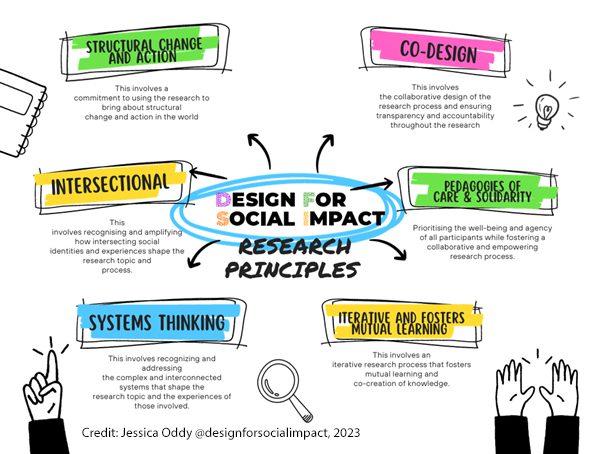
Broader social and structural impacts
* Legal precedents enabling future generations (e.g., voting rights, employment law).
- Institutional access: opening universities, professions, and political offices.
- Role modeling: cultural narratives that reshape aspirations and identity.
- Movement-building: individual acts that catalyze collective activism.
- Strategic coalition-building across communities.
- Innovation through nontraditional paths.
- Intersectionality: how race, class, and gender intersected to shape opportunities and resistance.
- Use of print media and public demonstrations normalized the idea of women as political actors.
- Legal challenges and state-by-state victories created momentum for federal reform.
- Standardization and training to ensure uptake by practitioners.
- Policy adoption and international dissemination to scale impact.
- Building distribution networks that also empower local stakeholders.
- Reinvesting profits into community programs and advocacy.
- Document and share achievements publicly to create recognition pathways.
- Support women-led organizations through volunteering, mentoring, or funding.
- Create leadership pipelines and rotational programs for underrepresented groups.
- Implement transparent pay and promotion practices to reduce bias.
- Partner with community groups to broaden recruitment sources and social impact.
- Develop project-based learning modules centered on historical change agents.
- Commission monuments, exhibitions, and public programming that reflect diverse experiences.
- Use social media campaigns and commemorative events to reach broader audiences.
- Biographies and primary-source collections from major university presses (e.g., Oxford, Harvard).
- National archives and public libraries for digitized documents and oral histories.
- Documentaries from reputable producers (e.g., BBC, PBS, independent documentaries focused on women’s history).
- Academic journals on gender studies, history, and sociology for peer-reviewed analysis.
Key themes that emerge from trailblazers’ stories
* Resilience in the face of systemic barriers.
Trailblazers in Politics and Civil Rights
Political pioneers often transformed governance and civil liberties. Their victories expanded representation and linked symbolic breakthroughs to policy outcomes.
Susan B. Anthony and Elizabeth Cady Stanton — Suffrage architects
These 19th-century activists organized campaigns, published influential texts, and built coalitions that culminated in the 19th Amendment in the United States. Their work illustrates how persistent advocacy, legal argumentation, and grassroots organizing combine to achieve civic reform.
Rosa Parks and Claudette Colvin — Catalysts for the Civil Rights Movement
Their refusals to accept segregation laws catalyzed bus boycotts and legal challenges that accelerated desegregation. Parks’ strategic positioning within NAACP networks amplified the event into a movement, while Colvin’s earlier act highlights how multiple, often-overlooked contributors enable pivotal moments.
Golda Meir and Indira Gandhi — Women leading nations
As prime ministers of Israel and India respectively, both exemplified complex leadership during conflict and nation-building. Their tenures reveal how women navigate, shape, and sometimes conform to masculine-coded leadership expectations while influencing foreign policy and national development.
Trailblazers in Science and Medicine
Women scientists have repeatedly pushed the boundaries of knowledge despite exclusion from laboratories, funding, and recognition. Many made discoveries that formed the basis for modern science and public health.
Marie Curie and the physics-chemistry frontier
Marie Curie’s pioneering work on radioactivity established foundational science and practical applications in medicine. She was the first person to win Nobel Prizes in two different scientific fields, demonstrating cross-disciplinary impact.
Rosalind Franklin and the double helix
Franklin’s X-ray crystallography made critical contributions to the discovery of DNA’s structure. Her story highlights issues of attribution, collaboration, and the need for equitable recognition in scientific teams.
Dr. Virginia Apgar and neonatal health
Dr. Apgar developed the Apgar Score, a standardized assessment that transformed newborn care globally. Her work is an example of translational research—scientific insight directly improving clinical outcomes.
Trailblazers in Business, Technology, and Innovation
Women innovators reshaped markets and created new business models. Their entrepreneurial journeys often required navigating male-dominated industries and reimagining leadership.
Ada Lovelace and the conceptual birth of computing
Ada Lovelace’s 19th-century notes on Charles Babbage’s Analytical Engine contained the first algorithm intended for machine processing, earning her recognition as the world’s first computer programmer.
Madam C.J. Walker — entrepreneurship and philanthropy
As one of the first self-made female millionaires in the U.S., Walker built a haircare empire and invested in community upliftment, demonstrating how business success can fund social change.
Katherine Johnson, Mary Jackson, and Dorothy Vaughan — NASA’s hidden figures
Their mathematical and engineering contributions were critical to early space missions. Their recognition underscores the importance of inclusive talent management and retrospective credit for contributions obscured by discrimination.
Trailblazers in Arts, Media, and Culture
Artists and cultural leaders changed narratives, representation, and aesthetic forms, shaping how societies imagine gender, identity, and possibility.
Frida Kahlo — identity and visual storytelling
Kahlo’s artwork blended personal trauma, national identity, and feminist themes, influencing generations of artists and scholars. Her life demonstrates how personal narrative can become a vehicle for broader social critique.
Toni Morrison — storytelling that redefined American literature
Morrison’s novels excavated African American experiences with linguistic richness and moral force. Her Nobel Prize recognized narrative as a mode of historical reclamation and cultural healing.
Oprah Winfrey — media influence and philanthropy
Winfrey transformed talk television and built a multimedia platform that combined entrepreneurship, cultural influence, and large-scale philanthropy. She exemplifies the power of narrative curation to shape public discourse and uplift communities.
Global Examples: Diverse Contexts, Shared Patterns
Trailblazing women worldwide often faced unique local constraints while revealing universal pathways to change.
Malala Yousafzai — education and youth activism
Shot for advocating girls’ education in Pakistan, Malala later became the youngest Nobel laureate. Her story shows how youth-led activism, amplified by global networks, can influence international policy and funding for education.
Ellen Johnson Sirleaf — post-conflict leadership
Africa’s first elected female head of state (Liberia), Sirleaf steered post-conflict reconstruction with a focus on governance reform and reconciliation. Her leadership highlights how representation at the highest levels affects institutional legitimacy and peacebuilding.
Wangari Maathai — environmentalism and community organizing
Maathai founded the Green Belt Movement in Kenya, marrying environmental restoration with women’s economic empowerment. Her model demonstrates integrated, local-led approaches to sustainable development.
Case Studies: How Specific Actions Led to Systemic Change
Analyzing concrete case studies reveals the mechanisms through which trailblazers effected durable reform.
Case Study 1: Suffrage Strategies that Built Power
1. Coalition building across class and region helped coordinate national campaigns.
Case Study 2: From Laboratory to Clinic — Translating Science into Public Health
1. Discovery and rigorous testing (e.g., vaccination and neonatal scoring).
Case Study 3: Entrepreneurship as Social Change
1. Identifying underserved market needs (e.g., female-specific products).
Lessons for Modern Leaders and Organizations
Trailblazers’ stories offer strategic lessons for leaders who want to cultivate inclusion and innovation within organizations.
1. Embed equity into structures, not just rhetoric
Change requires policy, accountability, and resourcing—hiring goals and culture statements alone are insufficient.
2. Sponsor talent actively
Sponsorship (advocating for someone’s promotion or visibility) accelerates careers more effectively than passive mentorship.
3. Create pathways and remove gatekeeping
Develop apprenticeships, flexible work arrangements, and transparent promotion criteria to widen access.
4. Amplify multiple voices and narratives
Honor collective contributions and broaden storytelling to include historically marginalized figures.
5. Invest in education and community partnerships
Long-term change often stems from investments in early education, community resources, and local leadership development.
Actionable Steps for Individuals and Institutions
Whether you are an individual leader, educator, or organization, these tactical steps translate lessons from trailblazers into practice.
For Individuals
* Seek sponsors, not just mentors; ask for introductions that lead to opportunities.
For Organizations
* Conduct equity audits to identify structural barriers and set measurable goals.
Preserving and Honoring Legacies
Commemoration matters. Ensuring that trailblazers’ contributions are documented and taught supports cultural memory and inspires future leaders.
Educational integration
* Include diverse biographies in curricula at all levels.
Archival work and public history
* Support archives, oral histories, and digitization projects.
Media and storytelling
* Fund documentaries, podcasts, and books that elevate underrecognized figures.
Frequently Asked Questions (FAQ)
What defines a trailblazer?
A trailblazer is someone who pioneers a new path—challenging norms, opening access, or creating systemic change that enables future generations to follow.
Why focus specifically on women trailblazers?
Women historically faced—and often still face—gender-based barriers to political participation, education, and professional advancement. Focusing on women pioneers illuminates strategies for overcoming these obstacles and broadens our understanding of leadership and innovation.
How can schools incorporate these stories into curricula?
Schools can integrate biographies, primary source analysis, and project-based units tied to local history. Invite guest speakers, use multimedia resources, and partner with cultural institutions for experiential learning.
Recommended Resources and Further Reading
Below are authoritative sources for deeper exploration. Use these as starting points for research, teaching, or activism.
Conclusion
The legacy of women trailblazers is both a testament to individual courage and a blueprint for structural transformation. Their stories show how strategic action, community building, and resilience can produce enduring change. By integrating their lessons into education, workplace policy, and cultural memory, we honor their contributions and accelerate progress toward a more inclusive future. Start today by amplifying lesser-known stories, implementing structural equity measures in your organization, and supporting initiatives that preserve and share women’s histories.
Call to Action
Subscribe to our newsletter for monthly profiles of trailblazing women, downloadable lesson plans for educators, and practical toolkits for implementing equity-focused initiatives in your organization.