
Secrets of the Timber Barons: Unveiling Wisconsin’s Hidden Logging Boom History of the 1800s
Wisconsin in the 19th century was a land of sprawling, ancient forests, a verdant tapestry stretching as far as the eye could see. Beneath the towering pines and mighty oaks lay not just timber, but the promise of immense wealth, a destiny that would soon transform the state into the epicenter of America’s lumber industry. This wasn’t merely a tale of trees falling; it was a dramatic saga of audacious entrepreneurs, tireless lumberjacks, and an unparalleled economic boom that reshaped landscapes, built fortunes, and left an indelible mark on the Badger State. Yet, behind the romanticized images of hardy woodsmen and bustling sawmills lies a more complex and often overlooked narrative – the hidden history of Wisconsin logging boom 1800s, driven by powerful timber barons whose ambition knew no bounds.
For history buffs and local Midwest residents, understanding this period is crucial to grasping the foundations of modern Wisconsin. We journey beyond the surface to explore the relentless pursuit of “green gold,” the ingenuity of its pioneers, and the profound, sometimes troubling, legacy of an industry that built cities like Eau Claire and defined an era. From the remote logging camps to the thundering sawmills of the Chippewa Valley, we will pull back the curtain on the forces that fueled this remarkable transformation, revealing the untold stories and the enduring impact of the 19th-century timber barons who carved an empire out of the wilderness. Prepare to delve into the secrets of an industry that shaped a state and a nation.
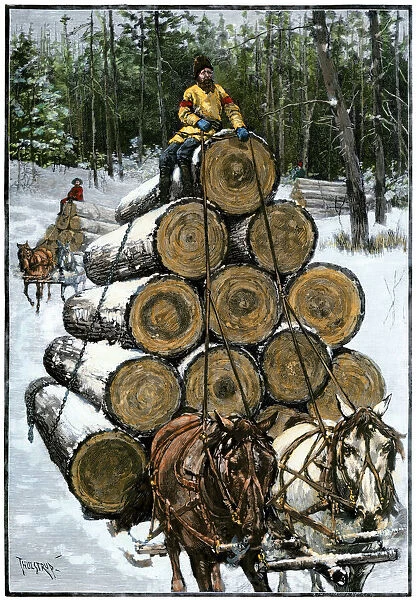
The Green Gold Rush: Wisconsin’s Untapped Riches in the 19th Century
Imagine a time when vast, unbroken forests of white pine, some trees reaching over 150 feet tall, dominated the landscape of northern Wisconsin. These colossal stands were not merely trees; they were a reservoir of potential, a resource perfectly timed to meet the insatiable demand of a rapidly expanding America. As the nation pushed westward, building new cities, railroads, and farms, the need for lumber skyrocketed. Wisconsin, with its extensive river systems acting as natural highways, was ideally positioned to become the primary supplier.
The mid-1800s marked the dawn of Wisconsin’s logging boom. Eastern forests were dwindling, and entrepreneurs, sensing an unprecedented opportunity, began to look towards the seemingly endless timberlands of the Midwest. What followed was a scramble for land and resources, a feverish pursuit of “green gold” that would attract thousands of fortune-seekers and fundamentally alter the state’s economic and social fabric. This era was characterized by a raw, untamed capitalism, where fortunes could be made or lost with the turn of a saw blade or the caprice of a river current.

The Rise of the Timber Barons: Architects of an Empire
At the heart of this colossal industry stood the timber barons – shrewd, often ruthless, businessmen who recognized the immense value in Wisconsin’s forests. These were not mere lumbermen; they were industrialists, financiers, and logistical masterminds who orchestrated massive operations, acquired vast tracts of land, and built integrated empires from forest to market. Their names, though perhaps less known today than titans of oil or steel, were synonymous with power and wealth in the 19th century. They epitomized the spirit of American enterprise, albeit with a heavy hand.
The Knapp, Stout & Co. Legacy: Dominating the Chippewa Valley
One of the most formidable forces in the Chippewa Valley history of logging was Knapp, Stout & Co. Based in Menomonie, Wisconsin, this company grew from humble beginnings into one of the largest lumber concerns in the world. Founded by John H. Knapp, Andrew Tainter, William Wilson, and Henry L. Stout, their operations were a marvel of industrial integration. They owned not only vast timberlands but also logging camps, sawmills, river tugs, steamboats, and even retail lumberyards in distant markets.
Knapp, Stout & Co. exemplified the vertical integration that defined the most successful timber operations. They controlled every stage of the lumber production process, from felling trees deep in the wilderness to delivering finished lumber to expanding cities like St. Louis. Their meticulous planning and efficient management allowed them to dominate the Chippewa River system, sending millions of board feet downstream annually. Their story is a testament to the organizational genius required to manage such a complex and demanding enterprise in a largely undeveloped region.
Frederick Weyerhaeuser and the Consolidation of Power
While Knapp, Stout & Co. thrived, another visionary, Frederick Weyerhaeuser, was busy building an even larger, more enduring empire. Weyerhaeuser, a German immigrant, started small but quickly distinguished himself through his keen business acumen and his ability to forge powerful alliances. He understood that the future of the timber industry lay in consolidation and sustainable management, a concept ahead of its time.
Weyerhaeuser’s genius was in creating syndicates that pooled resources to acquire massive timber tracts, reducing competition and increasing efficiency. His operations, while not solely confined to Wisconsin, heavily influenced the state’s logging landscape. He was instrumental in establishing the Mississippi River Logging Company, a powerful cartel that controlled the flow of logs down the Mississippi River, effectively dictating prices and access. These barons weren’t just cutting trees; they were building sophisticated financial and industrial networks that would shape the American economy for decades.
Life in the Logging Camps and the Roar of the Sawmills
The vast fortunes of the timber barons were built on the backs of thousands of hardworking men. Life in the Eau Claire logging camps and throughout the Chippewa Valley was arduous, dangerous, and often solitary. These remote outposts were temporary cities of muscle and grit, where men toiled from dawn till dusk in brutal conditions, fueled by hearty, if monotonous, meals and the promise of a paycheck.
Eau Claire: Heart of the Lumber Kingdom
No city embodies the spirit of Wisconsin’s logging boom more than Eau Claire. Situated at the confluence of the Eau Claire and Chippewa Rivers, it became a strategic hub for the timber industry. The rivers provided the perfect arteries for transporting logs from the northern forests down to the mills. By the late 19th century, Eau Claire boasted numerous large sawmills, making it one of the largest lumber-producing cities in the world. The air was thick with the scent of sawdust, and the constant hum of saws was the city’s heartbeat.
The city’s growth was explosive, attracting immigrants from across Europe who sought work in the mills and camps. This rapid expansion brought both prosperity and social challenges, as a diverse population grappled with boomtown dynamics. The wealth generated by lumber funded magnificent homes, thriving businesses, and civic improvements, but also created stark divisions between the wealthy mill owners and the working-class lumberjacks.
The Lumberjacks and River Pigs: The Unsung Heroes
The men who felled the trees were known as lumberjacks, and those who navigated the perilous log drives were called “river pigs.” Their work was incredibly dangerous, requiring immense strength, skill, and courage. Using axes, crosscut saws, and later, steam-powered equipment, they cut down millions of trees each winter. When spring arrived, the logs were rolled into the swollen rivers, beginning the treacherous journey downstream to the sawmills.
Log drives were epic events, with thousands of logs jamming the rivers, requiring river pigs to balance on the floating timber, armed with peaveys and pike poles, to break up jams. One misstep could mean death by drowning or crushing. These men were the backbone of the industry, yet their contributions are often overshadowed by the larger-than-life figures of the barons. Their resilience and camaraderie in the face of immense hardship are a vital part of the 19th century timber barons story.
Beneath the Bark: The Unseen Costs and Consequences
While the logging boom brought immense prosperity and played a critical role in national development, its hidden history also reveals significant costs and consequences that often go unmentioned. The narrative of progress and wealth is intertwined with stories of environmental devastation, labor exploitation, and social upheaval.
The most visible cost was the environmental impact. The relentless clear-cutting of vast forests led to widespread deforestation, soil erosion, and significant changes to river ecosystems. The majestic white pine forests, once thought inexhaustible, were decimated in a matter of decades. This rapid resource extraction, driven by profit motives, paid little heed to ecological balance, leaving a scarred landscape in its wake. This period serves as a stark reminder of the long-term effects of unchecked industrialization.
Furthermore, the lives of the lumberjacks, while romanticized, were often brutal. Wages were low, working conditions dangerous, and hours long. Many workers were immigrants, vulnerable to exploitation. The camps, though providing basic necessities, were isolated and rudimentary. While the barons amassed incredible wealth, the frontline laborers often struggled, highlighting the vast economic disparities created by the boom. This power dynamic is a critical element when examining the true nature of the hidden history of Wisconsin logging boom 1800s.
The End of an Era and a Lasting Legacy
By the early 20th century, the great logging boom in Wisconsin began to wane. The seemingly endless forests were, in fact, finite. Most of the prime timber had been cut, and the industry slowly shifted westward to new frontiers in the Pacific Northwest. The grand sawmills of Eau Claire and the bustling camps of the Chippewa Valley grew quieter, eventually fading into memory.
However, the legacy of this era is profound and enduring. The timber barons laid the groundwork for Wisconsin’s industrial development, creating infrastructure, attracting population, and generating capital that would fuel future industries. The cities they built, like Eau Claire, Menomonie, and La Crosse, continue to thrive, albeit with diversified economies. The spirit of innovation and hard work that characterized the logging era still resonates in the state’s identity.
Today, efforts are being made to restore and sustainably manage Wisconsin’s forests, a testament to lessons learned from the relentless clear-cutting of the past. The stories of the lumberjacks, the river pigs, and the ambitious timber barons remain a vital part of Wisconsin’s heritage, reminding us of a time when the state was truly the “Lumber Capital of the World.”
Conclusion: Echoes of the Timber Empire
The hidden history of Wisconsin logging boom 1800s is a powerful narrative of ambition, innovation, and relentless industry. It’s a story not just of trees and sawmills, but of the audacious 19th century timber barons who forged empires, the hardy men who risked their lives in Eau Claire logging camps and along the treacherous rivers of the Chippewa Valley, and the profound transformation of a wilderness into a powerhouse of production. While the roar of the sawmills has long faded, and the vast white pine forests are now largely a memory, the echoes of this monumental era continue to shape Wisconsin’s landscape, economy, and identity.
Understanding this period allows us to appreciate the foundations upon which modern Wisconsin was built, reminding us of both the immense potential and the significant costs of rapid industrial growth. The intricate web of human endeavor, economic forces, and natural resources created a chapter in American history that is as compelling as it is crucial.
Discover more forgotten local history by subscribing to our weekly deep-dive newsletter. Uncover the untold stories that shaped our communities and continue to resonate today.
—
Explore More History:
- The Rise and Fall of Wisconsin’s River Towns
- Early Industrialization in the Midwest: Beyond Timber
- A Day in the Life: What it Was Really Like to Be a 19th-Century Lumberjack
- Wisconsin Historical Society
- UW-Eau Claire Archives (for Chippewa Valley history)
- Forest History Society
- Historic photo of lumberjacks felling a massive pine tree in a Wisconsin forest, 1880s.
- Black and white photo of a log jam on the Chippewa River with river pigs working to clear it, late 19th century.
- Panoramic view of a bustling Eau Claire sawmill along the river with log rafts, circa 1890.
- Portrait of a prominent 19th century timber baron, such as Frederick Weyerhaeuser or John H. Knapp.
Further Reading & Resources:
Image Alt Text Suggestions: